-

Man Shoots Wife, 2 Priests In UP's Azamgarh, Takes 2 Children Hostage
The accused has locked himself up in a room along with his children. Efforts are underway to bring the children out safely.
-

4 Months On, No FIR Yet In Vaishno Devi's Rs 550 Crore-Silver 'Scandal'
The matter stems from a complaint filed by Advocate Deepak Sharma, seeking an FIR into alleged adulteration and pilferage of silver offerings made by devotees at the shrine, valued at around Rs 550 crore.
-
'Need The Money Now': Rs 700-Crore Mylapore Fund Scam Victims Demand Fast-Track Justice
The case centres on the Mylapore Hindu Permanent Fund Nidhi, which was headed by entrepreneur and politician Devanathan Yadav, who was arrested in connection with the case.
-
From Vacancies To Appointments: Where UP's 9.5 Lakh Government Jobs Landed
Akhilesh Yadav, President of the Samajwadi Party, has been questioning Chief Minister Yogi Adityanath over unemployment and the lack of jobs for young people.
-
In Granite Baron R Veeramani Child Sex Abuse Case, Ex-Employee Arrested
Ganeshan, who worked with Veeramani's Gem Granites group for 23 years before joining another company, was arrested by the Central Crime Branch.
-
Why Maharashtra Minister Has Warned Of A Potential 100% Drought Situation
The drought situation is particularly alarming in Maharashtra, which has emerged as one of India's worst-hit states this September.
-
Delhi Plans Dedicated 'Pink Force' After 4 Sexual Assault Cases In 10 Days
The proposed 'Pink Force' will have trained women police personnel patrolling schools, colleges, metro stations and other vulnerable locations across Delhi.
-
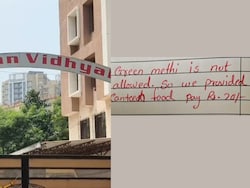
"Green Methi Not Allowed": Student Charged Rs 20 Over School Tiffin
The student was reportedly not allowed to eat the food brought from home. Instead, they were given food from the school canteen and charged Rs 20 for it.
-
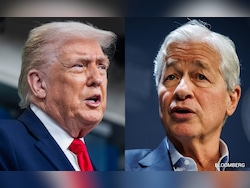
'Hope US Won't End Up Punishing India': JPMorgan CEO On Trump Tariffs
Speaking at the JPMorgan India Investor Conference, Dimon said the US should understand how Russian oil is used by Indian refiners and engage with India before deciding how proposed sanctions and tariffs would be implemented.
-
Karnataka Man Murdered In Sharjah In July, Body In 9 Parts Found In A Car
The victim, Alwin Prakash Kunder, had been working at the Sharjah airport for the past 14 years
-
AAP's Guru Ravidas Yatra Plan Targets Key Dalit Vote In Punjab
The four Shobha Yatras will cover a large geographical area before converging at Sri Khuralgarh Sahib on December 3. The first procession will begin from Varanasi on November 30.
-
From Seats To Personality Clash: Inside Samajwadi-Congress Alliance Talks
According to sources, several Congress leaders, including UP in-charge Rajendra Pal Gautam and Imran Masood, are constantly and deftly pressuring Akhilesh Yadav to consent to a swift seat-sharing agreement.
-
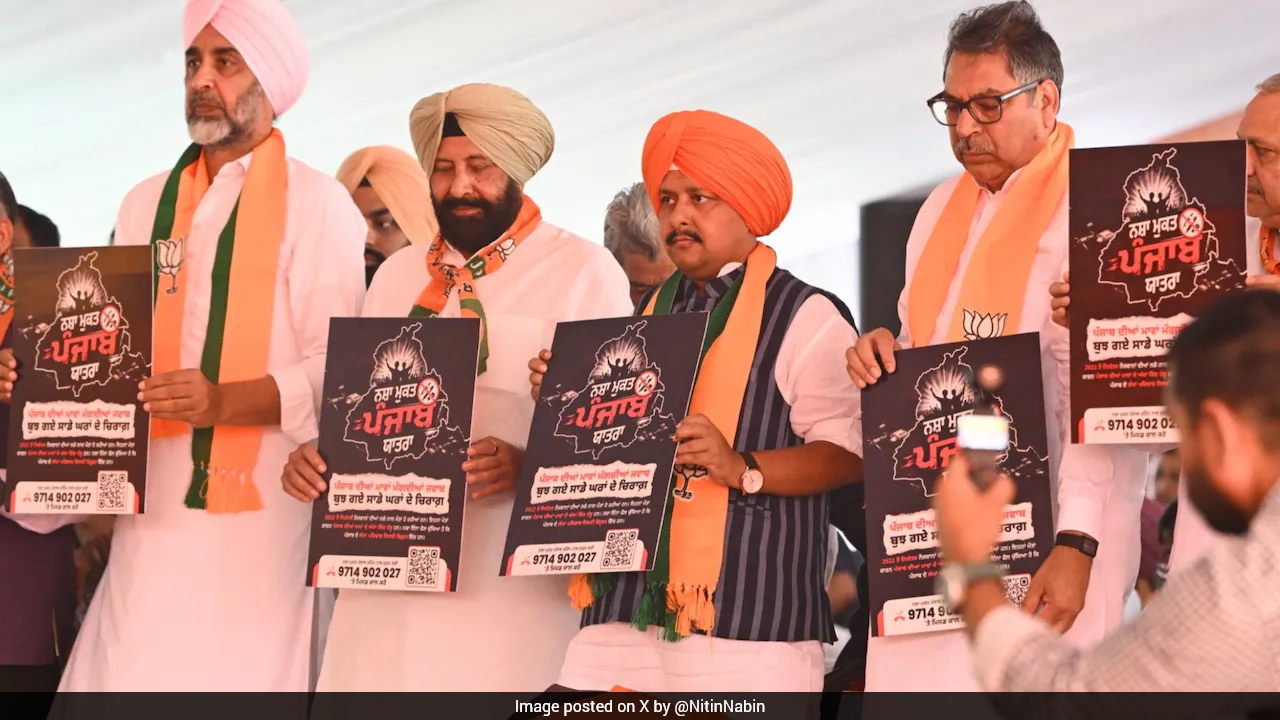
Analysis: BJP's Punjab Challenge Runs Much Longer Than A 4,000-km Yatra
The BJP's four-route yatra across Punjab is scheduled to travel nearly 4,000 kilometres and cover all 117 Assembly constituencies before converging in Jalandhar on September 30.
-
Decks Cleared For Bangladesh's New High Commissioner To India Asad Alam Siam
The term of the current Bangladesh High Commissioner to India, Riaz Hamidullah, ends next month.
-
PM Modi To Chair 2-Day 'Chintan Shivir' With Cabinet Ministers From Tomorrow
The high-level brainstorming session will bring together only cabinet ministers for focused deliberations at Delhi's Seva Tirath, say sources
-
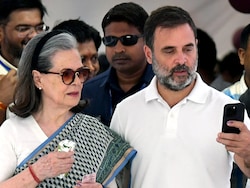
Gandhis' "Extraneous Considerations" Charge In National Herald Case
They have alleged that the Enforcement Directorate's (ED) action was influenced by "extraneous considerations."
-
Assam Woman Alleges Harassment, Forced Confinement By Husband, Brother-In-Law
The rescue operation was carried out in the presence of police and a magistrate by a team led by Assam State Commission for Women member Himani Adhikari, following a complaint by the woman's family.
-
A Rs 24-Crore 'Revenge' Over Rs 10,000: Surat Textile Hub Blaze Wasn't An Accident
With petrol worth Rs 150 and two matchsticks, Vinod Pandit Savle set fire to his ex-employer's shop; it spread much further, police said. He escaped to Khatu Shyam, then Ayodhya, and was arrested upon his return.
-
US Wants To Punish Russian Oil Buyers. But It's Still Buying From Moscow
Data from the Centre for Research on Energy and Clean Air (CREA) show that since January 2023, China has been Russia's biggest fossil fuel customer, accounting for 35.3 per cent of Russia's fossil fuel export earnings.
-
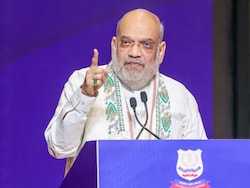
"Not A Gram To Enter India": Amit Shah Sets 2029 Deadline For War Against Drugs
Amit Shah's instruction to every state is to shift from meetings to missions, from reports to results, and from seizures to dismantled networks.