

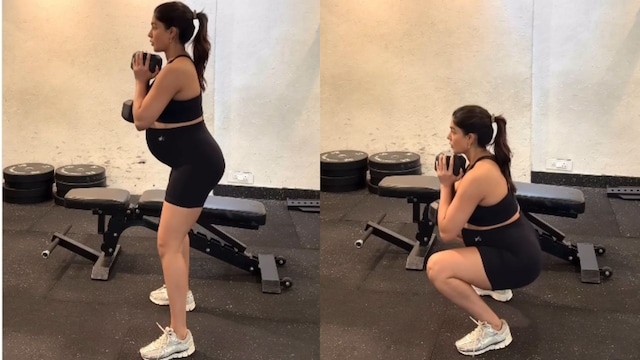
Actor Samantha Ruth Prabhu recently gave fans a glimpse of her fitness journey as she entered the ninth month of pregnancy. The actor shared a workout video documenting her exercise routine from the first month to the final stage of pregnancy. In the latest clip, Samantha can be seen performing weighted squats while holding a dumbbell. She captioned the video, "#9. The final lap", indicating that she is nearing the end of her pregnancy journey.
This is not the first time Samantha has shared glimpses of her prenatal fitness routine. In an earlier post, she spoke about adapting her workouts to her changing body, explaining that exercise during pregnancy is less about pushing harder and more about listening to the body. She has also clarified that she continued strength training after consulting her doctor. But why is staying physically active during pregnancy important, and what benefits can it offer to the mother and baby?
Why Is It Important To Stay Physically Active During Pregnancy?
Staying physically active during pregnancy can have several health benefits. However, it is important that there are no medical complications or restrictions. Regular exercise helps the body manage the physical changes that occur during pregnancy and prepares it for childbirth. Here are some reasons why physical activity is important during pregnancy:
1. Helps Manage Healthy Weight Gain
Weight gain is a natural part of pregnancy as the baby grows and the body undergoes several changes. However, excessive weight gain can increase the risk of complications such as gestational diabetes and high blood pressure. Regular physical activity helps maintain a healthy weight by improving metabolism and allowing the body to use energy more efficiently.
2. Reduces Back Pain And Discomfort
Back pain is a common complaint during pregnancy, especially during the later months. As the baby grows, the additional weight changes a woman's posture and puts more pressure on the lower back and pelvis. Gentle exercises, stretching and activities that strengthen the muscles supporting the spine can help reduce discomfort.
3. Improves Heart Health And Blood Circulation
During pregnancy, the heart works harder to supply oxygen and nutrients to both the mother and the developing baby. Moderate physical activity helps strengthen the heart and improves blood circulation. It also supports overall cardiovascular fitness and can help the body adapt to the increased demands placed on it during pregnancy.
4. May Reduce Gestational Diabetes Risk
Gestational diabetes is a condition wherein blood sugar levels increase during pregnancy. It can increase the risk of complications for both the mother and baby if not managed well. Exercise helps muscles use glucose more effectively, which can improve blood sugar regulation. Regular physical activity may also lower the risk of developing gestational diabetes.
5. Supports Mental Health And Reduces Stress
Pregnancy can bring hormonal changes, emotional stress and anxiety about childbirth and motherhood. Physical activity can help improve mood by boosting the release of endorphins, which are chemicals linked to feelings of well-being. Walking, swimming and prenatal yoga can also help women relax, improve sleep quality and manage everyday stress.
6. Builds Strength And Endurance
Labour and delivery can be physically demanding. Maintaining muscle strength and cardiovascular fitness during pregnancy may help women develop the stamina required during childbirth. Exercises that strengthen the legs, back and pelvic floor muscles can be beneficial for the body as it adapts to the physical demands of labour.
7. May Reduce The Risk Of Pregnancy Complications
According to the American College of Obstetricians and Gynecologists (ACOG), regular physical activity during an uncomplicated pregnancy may reduce the risk of gestational diabetes, preeclampsia and caesarean birth. It can also support healthy weight gain and improve overall fitness.
What Exercises Are Safe During Pregnancy?
According to ACOG, pregnant women with uncomplicated pregnancies should aim for at least 150 minutes of moderate-intensity aerobic activity every week. Some suitable activities include:
- Walking: A simple, low-impact activity that supports heart health and improves circulation.
- Swimming: Water supports body weight, reducing pressure on the joints and muscles.
- Stationary cycling: Provides cardiovascular exercise while reducing the risk of falling compared with outdoor cycling.
- Prenatal yoga: Helps improve flexibility, balance and relaxation through pregnancy-friendly movements.
- Strength training: Light resistance exercises can help maintain muscle strength, provided they are approved by a healthcare professional.
Disclaimer: This content including advice provides generic information only. It is in no way a substitute for a qualified medical opinion. Always consult a specialist or your own doctor for more information. NDTV does not claim responsibility for this information.