

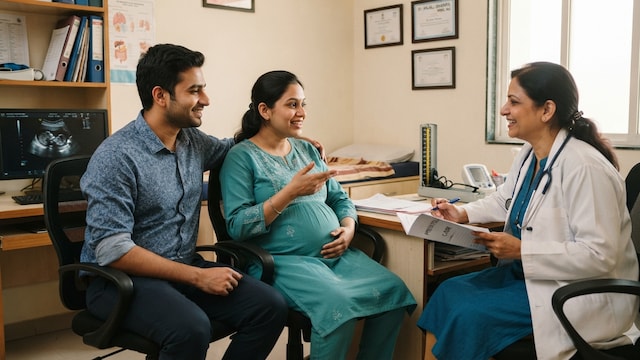
Imagine a young mother whose blood pressure rises during pregnancy. After delivery, her readings return to normal, bringing relief to her family and doctors. As attention shifts to the newborn, however, her own follow-up care may be overlooked.
This highlights a gap in maternal healthcare in India. While ensuring safe childbirth remains a priority, the long-term health of the mother can receive less attention once the pregnancy ends.
Pregnancy: A Window into Future Health
Pregnancy places significant demands on a woman's cardiovascular and metabolic systems. It can also reveal underlying health risks that may otherwise remain undetected. Conditions such as gestational hypertension, pre-eclampsia and gestational diabetes can serve as early indicators of future cardiovascular and metabolic disease.
A 2026 review in the European Heart Journal highlights the association between adverse pregnancy outcomes and cardiovascular risk later in life. These outcomes also include preterm delivery, having a small-for-gestational-age baby and pregnancy loss.
Not every woman who experiences a pregnancy complication will develop heart disease. However, these events provide important clues about her future health and should inform long-term preventive care.
When Symptoms Improve and Risk May Remain
The resolution of a pregnancy-related condition does not necessarily mean that the associated health risks have disappeared.
Pre-eclampsia, for instance, often improves after delivery, but women with a history of the condition face a substantially higher risk of chronic hypertension and an increased risk of cardiovascular disease and stroke. A 2026 review in the European Heart Journal reports a five- to eight-fold higher risk of chronic hypertension and approximately twice the risk of heart disease and stroke.
A similar pattern is seen with gestational diabetes. Blood glucose levels may return to normal after childbirth, but the risk of developing type 2 diabetes remains significantly elevated. Research published in Circulation in 2024 indicates that women with a history of gestational diabetes have an approximately eight-fold higher risk of developing type 2 diabetes. Their cardiovascular risk is also nearly twice as high, according to the European Heart Journal review. Women of Asian ancestry also experience a disproportionate burden of gestational diabetes.
These risks make it important to preserve pregnancy history as part of a woman's medical record. When she consults a physician years later, that history can help guide screening, identify risk factors early and support timely intervention.
What Should a Post-Pregnancy Health Check Include?
The first 12 weeks after childbirth, commonly referred to as the fourth trimester, provide an important opportunity to assess recovery and establish a plan for continued care. This process should begin before hospital discharge, with clear follow-up appointments, guidance on home blood pressure monitoring where appropriate, and advice on nutrition and lifestyle.
The postpartum cardiovascular care pathway published in JACC in 2026 recommends follow-up within seven to 10 days for women with, or at risk of, cardiovascular complications. These visits should assess blood pressure, cardiac symptoms, mental health and breastfeeding needs. Blood pressure commonly peaks between three and six days after delivery, making early monitoring particularly important. Women who experience severe hypertension during pregnancy require follow-up within 72 hours of delivery.
Symptoms such as a severe headache, chest pain or breathlessness should never be ignored or left until a scheduled appointment. They warrant urgent medical assessment.
A comprehensive review within 12 weeks of delivery should evaluate physical and psychological recovery, blood pressure, weight, blood glucose and cholesterol levels, along with current medications and plans for future pregnancies. Kidney function tests may be needed depending on the pregnancy complications and clinical findings, while an echocardiogram is generally guided by symptoms or known heart disease.
For women who have experienced gestational diabetes, an oral glucose tolerance test is recommended 4 to 12 weeks after delivery, followed by regular screening for diabetes every one to three years, as outlined in Circulation in 2024.
Importantly, postpartum care should not end with a single follow-up appointment. The frequency and scope of subsequent assessments should reflect each woman's medical history, risk factors and clinical needs.
Prevention Must Fit a Mother's Life
Advice to exercise regularly, eat a balanced diet and get adequate sleep may sound straightforward. For a new mother balancing feeding schedules, household responsibilities and a return to work, however, following these recommendations can be challenging.
Preventive care must therefore account for the realities of a mother's daily life. Families can make a meaningful difference by sharing childcare responsibilities, helping ensure adequate rest and supporting women in attending medical appointments. Healthcare professionals can reinforce these efforts through practical, individualised advice rather than generic lifestyle recommendations.
The postpartum care pathway published in JACC in 2026 also emphasises the importance of transitioning women to primary care during the first year after childbirth. This transition can help ensure that pregnancy-related complications remain part of their ongoing health assessments and that screening, lifestyle support and specialist referrals are provided according to individual risk.
The Road Ahead for India
India needs stronger connections between maternity services and primary healthcare to ensure that maternal care continues beyond delivery.
Discharge summaries should clearly document pregnancy complications, recommended follow-up dates and the clinician responsible for continuing care. This information should remain accessible to family physicians and other healthcare providers throughout a woman's life.
Primary health centres, family physicians and community health workers can play an important role in supporting follow-up and encouraging preventive screening. Linking maternal health checks with a baby's immunisation visits could also make appointments more convenient for new mothers. Teleconsultations, digital reminders and clearly defined referral pathways may further improve continuity of care.
At the policy level, affordable diagnostic testing, accessible follow-up services and India-specific research on long-term maternal outcomes are essential to building an effective system of postpartum cardiovascular prevention.
Pregnancy may end at delivery, but the opportunity to protect a woman's cardiovascular health continues long afterwards.
(Dr Rajiva Gupta, Senior Consultant - Internal Medicine, CK Birla Hospital, and Founder, Upchaar Wellness, Gurugram)
Disclaimer: The opinions expressed within this article are the personal opinions of the author. NDTV is not responsible for the accuracy, completeness, suitability, or validity of any information on this article. All information is provided on an as-is basis. The information, facts or opinions appearing in the article do not reflect the views of NDTV and NDTV does not assume any responsibility or liability for the same.