

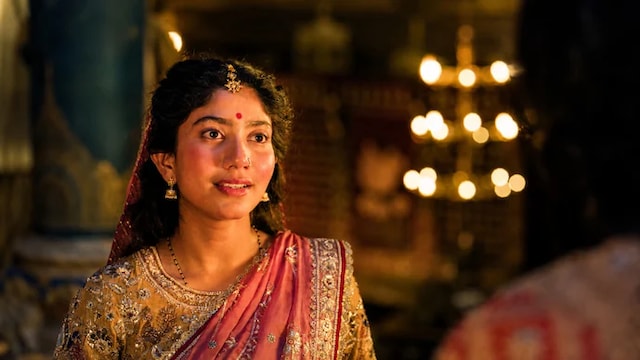
Amid the conversation around movie Ramayana, an earlier interview of actor Sai Pallavi draws attention to her candid remarks about living with acne and rosacea. The 34 year old actress is known for embracing a no-makeup look both on and off screen, the actor has often challenged conventional beauty standards by choosing authenticity over cosmetic expectations. Giving an Interview to the Hindu, reflecting on how audiences changed her perception of beauty, Sai Pallavi had said, "When people accepted me for who I was, a girl with acne (rosacea), I learnt that confidence was the real beauty." Her experience highlights how visible skin conditions can influence self-image and why accepting natural skin is important. However, acne and rosacea, despite sometimes appearing similar, are different conditions that may require different approaches to treatment.
What Is Rosacea? Understanding The Skin Condition
Rosacea is a chronic inflammatory skin condition that commonly affects the central areas of the face, including the cheeks, nose, forehead and chin. It can cause persistent facial redness, flushing, visible blood vessels and acne-like bumps.
According to Dr Sachin Gupta, Senior Consultant, Dermatology, Amrita Hospital, Faridabad, rosacea may initially resemble sensitive skin. "Do you have acne-like bumps on your face, feel hot and/or flush often? It could be rosacea, a chronic inflammatory condition which is characterized by what appears to be sensitive skin, particularly on the cheeks, nose, forehead and chin," he explains. The condition can vary from person to person. Some people primarily experience redness and flushing, while others develop inflamed bumps and pustules. Burning, stinging and skin sensitivity may also occur. In people with darker skin tones, redness may be less noticeable. Persistent warmth, irritation and changes in skin colour can therefore be important signs to watch for. Although rosacea is generally a long-term condition, appropriate treatment can help manage symptoms and reduce flare-ups.
Rosacea Vs Acne: How Are They Different?
Rosacea is often mistaken for acne because both conditions can cause bumps and inflammation on the face. However, they have different underlying mechanisms and may respond to different treatments. Acne commonly involves clogged hair follicles, excess oil and inflammation. It may produce blackheads, whiteheads, pimples and, in more severe cases, deeper nodules or cysts. Rosacea, on the other hand, is associated with facial flushing, persistent redness, visible blood vessels and inflammatory bumps. Unlike typical acne, rosacea does not usually cause blackheads and whiteheads. The distinction matters because using acne treatments without an accurate diagnosis may irritate rosacea-prone skin or fail to address the underlying condition. If facial redness, burning or acne-like bumps persist, a dermatologist can assess the symptoms and recommend appropriate treatment.
What Triggers Rosacea Flare-Ups?
The exact cause of rosacea remains unclear, and triggers can differ between individuals. Certain environmental and lifestyle factors may worsen symptoms or lead to flare-ups. Dr Gupta notes that common triggers include sun exposure, heat, stress, spicy foods and alcohol. "Ask yourself: 'What happened before my skin reacted?' A simple symptom diary may help identify patterns without unnecessarily restricting your lifestyle," he advises. Keeping a record of flare-ups can help people identify their individual triggers. For example, someone may notice increased facial redness after spending time outdoors, taking a hot shower or consuming particularly spicy food. However, not every trigger affects everyone in the same way. Identifying personal patterns is generally more useful than avoiding a long list of foods or activities without a clear reason. Daily sun protection and a gentle skincare routine may also help reduce irritation.
Can Rosacea Be Cured? Treatment And Skin Care
Rosacea does not currently have a permanent cure, but its symptoms can often be controlled with appropriate treatment and consistent skincare. Dr Gupta explains, "Although rosacea has no permanent cure, treatment can control symptoms effectively. Gentle cleansing, moisturising, daily sun protection and dermatologist-prescribed medicines can help. Selected patients may also benefit from laser or light-based treatments." Treatment depends on the symptoms and their severity. Dermatologists may recommend topical medicines to manage inflammatory bumps and redness, while certain oral medicines may be appropriate for more persistent cases. Laser or light-based procedures can help selected patients with visible blood vessels or persistent redness.
People with rosacea may benefit from using mild cleansers, fragrance-free moisturisers and broad-spectrum sunscreen. Harsh exfoliants, irritating skincare products and unprescribed treatments should be approached cautiously, particularly when the skin is already sensitive. It is best to consult a dermatologist before starting treatment, as the right approach depends on the type of rosacea and the symptoms involved.
Rosacea Can Affect The Eyes Too
Rosacea does not always remain limited to the skin. Some people develop ocular rosacea, which can cause dry, gritty, irritated or watery eyes, along with redness and discomfort around the eyelids. Dr Gupta highlights this often-overlooked aspect of the condition. "Don't forget these either, as rosacea can affect dry, gritty or irritated eyes. Chronic irritation of the face warrants a thorough work-up. Early diagnosis and personalised care can improve comfort and confidence," he says. Persistent eye irritation, sensitivity to light, eye pain or changes in vision warrant medical evaluation. Eye symptoms should not automatically be attributed to rosacea without an appropriate assessment.
Sai Pallavi's Experience And The Importance Of Skin Acceptance
Sai Pallavi's earlier remarks is a reminder that visible skin conditions do not define a person's beauty or confidence. Her willingness to appear without heavy makeup has also contributed to conversations about the pressure to maintain flawless skin, particularly in the entertainment industry. While her experience is personal, the broader message is relevant to anyone living with acne, rosacea or another visible skin condition. These conditions are common reasons for seeking dermatological care, and experiencing them should not be a source of shame. At the same time, self-acceptance and medical treatment are not mutually exclusive. People can embrace their natural appearance while seeking professional help to manage persistent redness, discomfort or inflammation. As Dr Gupta emphasises, recognising symptoms early and receiving personalised care can improve both physical comfort and confidence. The aim is not to achieve an unrealistic standard of flawless skin, but to maintain skin health while feeling comfortable in one's own appearance.
Disclaimer: This content including advice provides generic information only. It is in no way a substitute for a qualified medical opinion. Always consult a specialist or your own doctor for more information. NDTV does not claim responsibility for this information.