

)
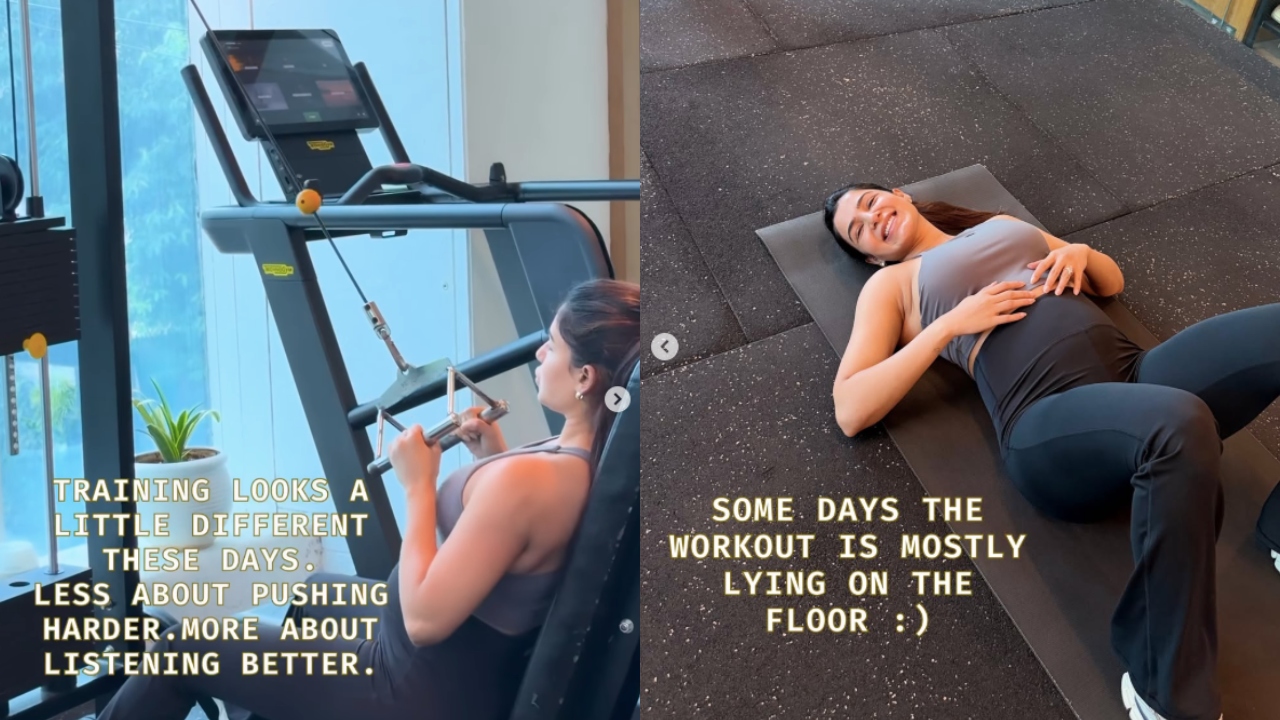
Samantha Ruth Prabhu is expecting her first child with husband and filmmaker Raj Nidimoru. Samantha has been sharing glimpses of her pregnancy journey on social media. In her latest post, Samantha is seen doing strength training. "Training looks a little different these days. Less about pushing harder. More about listening better," she wrote in the post. In general, exercising during a normal pregnancy is safe and healthy. However, each pregnancy is different, and moms-to-be need to understand what works best for them.
"I've strength trained for years and have continued through pregnancy with my doctor's clearance. My trainer is also certified in prenatal training, and everything you see here is modified for my body, my experience and my pregnancy," Samantha wrote in the caption of the post.
Strength training during pregnancy
Strength training is usually safe and beneficial for most women during pregnancy, provided they have clearance from their doctor. It's crucial to adjust exercise routines as the body changes.
During pregnancy, strength training doesn't necessarily mean lifting heavy weights; rather, it focuses on building and strengthening various muscle groups in the body.
A controlled strength training routine can help the body adapt to the physical stresses of pregnancy and prepare for labor. However, it's important to use strength training as a means to maintain health and strength throughout pregnancy, rather than to challenge the body unnecessarily.
Benefits of strength training during pregnancy for both mother and the baby
1. Improves muscle tone and strength
Strength training helps to build and maintain muscle tone, which can support your body as it changes during pregnancy.
2. Enhances posture and alleviates body pain
Strengthening the muscles that support your core and back can improve posture and reduce back, pelvic, and sciatic pain, which are common during pregnancy.
3. Increases endurance
Building strength can enhance your endurance, making daily activities easier and potentially helping during labour.
4. Reduces risk of gestational diabetes
Regular physical activity, including strength training, can help regulate blood sugar levels, reducing the risk of gestational diabetes.
5. Easier recovery
Maintaining fitness can help with recovery after childbirth, including regaining strength and energy levels.
6. Improves mood
Exercise, including strength training, can boost mood and decrease feelings of anxiety or depression.
Safety tips to follow:
1. Always get clearance from your doctor before starting or continuing a strength training program during pregnancy.
2. Pay attention to how you feel during and after workouts. If you experience pain, dizziness, or shortness of breath, stop exercising and consult your doctor.
3. Steer clear of activities that could lead to falls or trauma to your abdomen.
4. Drink plenty of water before, during, and after your workouts to stay hydrated.
5. Maintain good technique to prevent injury, and consider working with a certified trainer familiar with pre- and post-natal fitness.
6. After the first trimester, avoid exercises that require lying flat on your back, as this can compress the vena cava and restrict blood flow.
As your pregnancy progresses, the hormone relaxin loosens your ligaments, increasing your vulnerability to joint strains. Remember, strength training can be a valuable part of a healthy pregnancy when done mindfully and safely.
Disclaimer: This content including advice provides generic information only. It is in no way a substitute for a qualified medical opinion. Always consult a specialist or your own doctor for more information. NDTV does not claim responsibility for this information.