

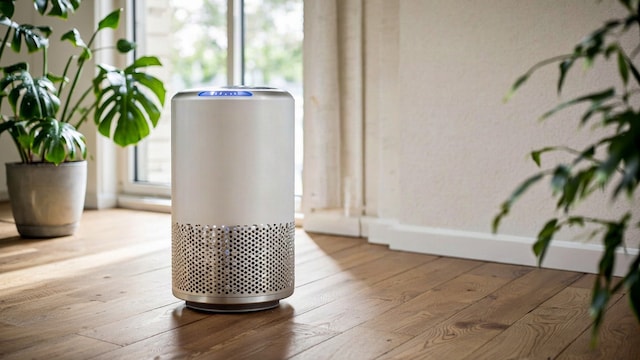
Air purifiers have become increasingly common in Indian homes, particularly with the rise in air pollution and its impact on respiratory health. Many people rely on these devices to improve indoor air quality, assuming that keeping them switched on throughout the day is enough to protect their families from harmful pollutants. However, indoor air can remain polluted even when an air purifier is running. This is because several everyday household activities can continuously release pollutants into the air, sometimes faster than the purifier can remove them.
Cooking, burning incense sticks, using cleaning products and allowing outdoor pollution to enter through open windows are some commonly overlooked sources. An air purifier can help reduce certain airborne pollutants, but it cannot prevent them from being generated in the first place. Dr Rahul Sharma, Director - Pulmonology, DM Pulmonary & Critical Care, Fortis Hospital Greater Noida, explains why indoor pollution can remain high and what one can do to reduce their exposure.
Why Does Indoor Pollution Remain High Even With An Air Purifier?
An air purifier mainly removes pollutants that pass through its filtration system. However, it does not stop pollution from being generated inside the house. If new pollutants are continuously released, indoor air quality may remain poor despite the device running. The effectiveness of an air purifier also depends on its size, filter condition, airflow and placement. A purifier that is too small for the room, has a clogged filter or operates at a low setting may not clean the air sufficiently. Placing it too close to furniture or against a wall can also restrict airflow and impact its efficiency.
6 Hidden Sources Of Indoor Pollution You May Be Missing
1. Cooking, Especially Frying And Grilling
Cooking is one of the major sources of indoor air pollution. Activities such as frying, grilling and cooking on gas stoves can release particulate matter and harmful gases, including nitrogen dioxide. These pollutants can accumulate in the kitchen and spread to other parts of the house, particularly when there is inadequate ventilation.
2. Incense Sticks, Candles And Mosquito Coils
Burning incense sticks, scented candles and mosquito coils may make a home smell pleasant or help keep insects away, but they can also release pollutants. They produce particulate matter and other substances that can remain suspended in indoor air. Smoking indoors is another significant source of pollution.
3. Cleaning Products And Air Fresheners
Several household products can release volatile organic compounds (VOCs) into the air. These include cleaning liquids, disinfectants, room fresheners, paints, adhesives and other chemical-based products. VOCs are gases released by certain chemicals and can add to poor indoor air quality.
4. Outdoor Pollution Entering The House
Indoor pollution does not always occur inside the home. Pollutants from outside can enter through open doors and windows, ventilation systems, gaps around the building and frequent door openings. During periods of high outdoor pollution, keeping windows and doors open for prolonged periods can allow polluted air to enter. This means indoor pollution may remain high even when an air purifier is switched on.
5. Poor Purifier Maintenance And Placement
An air purifier cannot work properly if its filters are clogged or have not been replaced as recommended. Similarly, using a device that's made for a smaller room in a larger space may impact its ability to clean the air. Its placement also matters. The device should have enough space around it to allow proper air circulation.
6. Gases That Regular Air Purifiers May Not Remove
Not all air purifiers can remove every type of indoor pollutant. Most filtration-based devices are designed to capture particles, while removing certain gases requires specific technologies. Dr Sharma says that air purifiers do not remove carbon monoxide and some gaseous pollutants unless they have technologies specifically designed for them.
How Can You Reduce Indoor Air Pollution?
Dr Sharma recommends focusing on controlling pollution at its source. Here are some practical measures:
- Use kitchen exhaust systems: Switch on the kitchen exhaust while cooking and keep it running for some time afterwards to remove smoke and cooking-related pollutants
- Avoid smoking indoors: This can reduce exposure to harmful particles and gases
- Limit incense and candle use: Avoid burning these products frequently, particularly in poorly ventilated rooms
- Use household chemicals carefully: Limit unnecessary air fresheners and make sure there's adequate ventilation when using cleaning products, paints or adhesives
- Maintain your purifier: Clean or replace filters according to the manufacturer's instructions and choose a device suitable for your room size
- Manage ventilation: Keep doors and windows closed when outdoor pollution levels are high, while maintaining appropriate ventilation when outdoor air quality permits
"A purifier does not replace source control and ventilation. Indoor pollution can be reduced by avoiding smoking indoors, limiting incense and candle use, using kitchen exhaust during and after cooking, maintaining air-conditioning and ventilation systems, and keeping doors and windows closed when outdoor pollution is high," said Dr Sharma.
Disclaimer: This content including advice provides generic information only. It is in no way a substitute for a qualified medical opinion. Always consult a specialist or your own doctor for more information. NDTV does not claim responsibility for this information.