

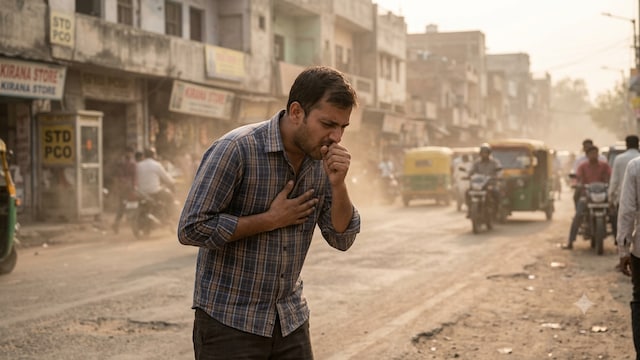
As winter approaches, Delhi and the National Capital Region (NCR) once again brace for a sharp deterioration in air quality. A combination of vehicle emissions, construction dust, industrial pollution, waste burning and seasonal stubble burning can push particulate pollution to hazardous levels. For residents, the problem is not limited to coughing or burning eyes. Prolonged exposure to polluted air can affect the lungs, blood vessels and heart, with children, older adults and people with existing respiratory or cardiovascular conditions particularly vulnerable. Delhi's winter pollution-control measures are aimed at reducing emissions and limiting exposure when air quality worsens. But what do these measures actually mean for your health, and how can you protect your lungs and heart during the pollution season?
Why does Delhi's air become worse in winter?
Winter weather can make the problem of pollution significantly worse. During colder months, low wind speeds and atmospheric conditions can trap pollutants close to the ground. The air can contain fine particulate matter, particularly PM2.5, along with nitrogen dioxide, ozone and other pollutants. PM2.5 is especially concerning because these particles are small enough to travel deep into the respiratory system.
"PM2.5 can penetrate deep into the lungs and, once inhaled, can trigger inflammation and oxidative stress. This can have effects beyond the respiratory system and may also affect the cardiovascular system," says Dr Amit Kumar Gupta, senior consultant and head of cardiology at Sarvodaya Hospital, Faridabad, Uttar Pradesh.
What happens to your lungs when you breathe polluted air?
Your lungs are the first major organs to come into contact with inhaled pollutants. Short-term exposure can irritate the airways and trigger symptoms such as coughing, throat irritation, wheezing, breathlessness and chest discomfort. For people with asthma or chronic obstructive pulmonary disease (COPD), polluted air can aggravate existing symptoms and increase the likelihood of flare-ups. Even people without a diagnosed lung condition may experience reduced respiratory comfort when pollution levels remain high. "Repeated exposure to polluted air can maintain inflammation in the airways and may worsen respiratory symptoms, particularly in people who already have asthma, COPD or other lung diseases," Dr Gupta explains.
Can winter pollution affect your heart too?
The health effects of air pollution extend beyond the lungs. When fine particles are inhaled, they can contribute to inflammation and oxidative stress. Exposure has also been associated with changes in blood vessels, blood pressure and the tendency of blood to clot. These changes can increase cardiovascular stress.
People with existing heart disease, hypertension, diabetes or other cardiovascular risk factors therefore need to be particularly cautious during severe pollution episodes. "People with underlying heart disease should be especially careful during periods of very poor air quality because pollution can add an additional stress on the cardiovascular system," says Dr Gupta.
Why children and older adults need extra protection
Children breathe more air relative to their body size and their lungs are still developing. Regular exposure to polluted air can therefore be particularly concerning for them. Older adults, meanwhile, are more likely to have underlying heart or lung conditions that can worsen during periods of severe pollution. Parents should pay attention to symptoms such as persistent coughing, wheezing, unusual tiredness or difficulty breathing in children. Older adults should not ignore new or worsening breathlessness, chest discomfort or unexplained fatigue.
What does Delhi's winter pollution plan mean for you?
Pollution-control measures can include restrictions on construction and demolition activity, dust-control measures, action against open burning, traffic-management measures and restrictions that are triggered when air quality deteriorates.
- For residents, however, the effectiveness of these measures does not eliminate the need for individual precautions.
- Think of pollution protection as having two parts: reducing the amount of pollution being generated and reducing the amount you personally inhale.
- Should you stop exercising outdoors?
- Not necessarily. But the timing and intensity of outdoor exercise matter.
During days when air quality is poor, strenuous outdoor exercise can increase the amount of air you breathe and, consequently, the amount of pollutants entering your lungs.
"If the air quality is very poor, people should avoid strenuous outdoor exercise and consider moving their workout indoors," advises Dr Gupta. Checking the air-quality index before going for a run, cycling session or outdoor workout can help you decide whether exercising outside is sensible that day.
Can an N95 mask protect against pollution?
A properly fitted N95 or equivalent particulate-filtering mask can reduce exposure to fine particles when worn correctly. However, the mask needs to fit closely around the face. A loose surgical or cloth mask may not provide the same level of protection against fine particulate matter. Masks are particularly useful when commuting, walking near busy roads or spending time outdoors during high-pollution periods.
What can you do at home?
Keeping outdoor pollution from entering your home can help reduce exposure. During periods of severe pollution, keep windows and doors closed when outdoor air quality is particularly poor, while ensuring adequate ventilation when conditions improve. Avoid indoor sources of pollution such as smoking, incense or unnecessary burning. An air purifier with an appropriate particulate filter may also help reduce indoor PM2.5 levels, particularly in bedrooms or frequently occupied rooms.
Don't ignore these warning signs
Pollution-related symptoms can sometimes be mistaken for a routine winter cough or infection. Seek medical attention if you develop:
- Persistent or worsening breathlessness
- Wheezing or difficulty breathing
- Chest pain or pressure
- Unusual palpitations
- Dizziness or fainting
- A persistent cough that does not improve
- A significant worsening of asthma or COPD symptoms
Chest pain, severe breathlessness, fainting or sudden weakness require urgent medical attention. Delhi's winter pollution is more than an environmental problem. For your body, it can become a daily exposure challenge involving the lungs, blood vessels and heart. Government measures can help reduce pollution at the source, but residents still need to minimise exposure, particularly during severe pollution episodes. Check the air quality before outdoor activities, avoid strenuous exercise when pollution is very high, use a well-fitting particulate-filtering mask outdoors and take extra precautions if you have an existing heart or lung condition. The cleaner the air you breathe, the less work your lungs and heart have to do to keep you going.
Disclaimer: This content including advice provides generic information only. It is in no way a substitute for a qualified medical opinion. Always consult a specialist or your own doctor for more information. NDTV does not claim responsibility for this information.