

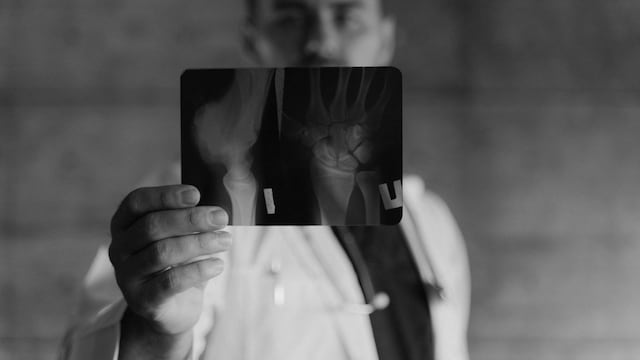
Osteoporosis is commonly associated with ageing and postmenopausal women, but bone-health concerns are increasingly being noticed among younger adults in clinical practice. For Indians in their 20s, 30s and early 40s, inadequate nutrition, limited physical activity, smoking and insufficient sunlight exposure can raise concerns about bone health long before old age.
Dr Nikunj Agrawal, Associate Director - Orthopaedics and Joint Replacement, Arthroscopy and Sports Injury, Max Hospital, Vaishali, says he has observed a noticeable change in the age groups presenting with osteoporosis-related concerns over the past decade. According to the orthopaedic specialist, patients in their early 40s are increasingly presenting with early signs of low bone density, particularly women approaching menopause.
"Osteoporosis, which earlier used to be a disease of the elderly, has now come into the younger age groups as well," he says, attributing the trend he has observed to a combination of dietary habits, smoking, alcohol consumption, reduced mobility and inadequate sunlight exposure.
However, osteoporosis can remain undetected until a fracture occurs, and not every young adult with fatigue or back pain has low bone density. Building strong bones early and identifying individual risk factors are therefore essential. Understanding when to seek medical advice, what to eat and how to exercise can help protect bone health over the long term.
Why Are Younger Indians Experiencing Bone-Health Concerns?
Bone health depends on several interconnected factors, including genetics, nutrition, physical activity, hormones and age. Dr Agrawal says modern working patterns may be contributing to the concerns he sees among younger patients.
"Most people are back in their homes, working at odd hours, working in bad postures, and they are not actually doing the proper exercises and a proper workout routine," he says.
Desk-bound jobs, prolonged sitting and limited outdoor activity can make it harder to maintain an active routine. Poor dietary quality, smoking and excessive alcohol consumption can also adversely affect bone health.
Vitamin D is another important consideration. It helps the body absorb calcium, which is necessary for maintaining strong bones. Despite living in a sunny country, many Indians may have inadequate vitamin D levels because of limited outdoor exposure, clothing, environmental conditions and dietary factors.
However, vitamin D deficiency and osteoporosis are not interchangeable diagnoses. Vitamin D deficiency can contribute to bone problems, but low bone density has several possible causes and requires appropriate assessment.
Why Your 20s And 30s Matter For Bone Density
Bone is living tissue that continually undergoes a process of breakdown and renewal. During childhood, adolescence and early adulthood, bone formation helps build bone mass. Peak bone mass is generally reached by the mid-to-late 20s, although the timing varies between individuals and skeletal sites.
The greater the peak bone mass achieved, the more reserve a person may have as age-related bone loss begins. Dr Agrawal stresses the importance of this period. "The higher the peak we reach, the later osteoporosis we get in our lives," he says.
His advice is to focus on regular exercise, adequate nutrition and avoiding habits that compromise bone health. Adults in their early 30s should not assume they have missed their opportunity to improve bone strength. Physical activity and good nutrition remain important throughout life, even though building additional peak bone mass becomes more limited after early adulthood.
For those aged 35 to 40 and beyond, the emphasis increasingly includes maintaining bone strength, addressing medical risk factors and preventing accelerated bone loss.
What Should Young Indians Eat For Stronger Bones?
A balanced diet that provides adequate calcium, vitamin D and protein is essential for bone health. Dr Agrawal recommends incorporating dairy products and green vegetables into daily meals. "I always say to my patients and clients that you should have whites and greens in your diet," he says, referring to foods such as milk, curd, paneer, tofu and green leafy vegetables.
For vegetarians, milk, curd, paneer, calcium-set tofu, legumes and suitable fortified foods can contribute to a nutritious diet. Protein is important for maintaining muscle and supporting the body's structure, but adequate protein alone cannot compensate for insufficient calcium, vitamin D or physical activity.
Vitamin D is naturally present in relatively few foods, although some foods are fortified with it. Fatty fish and egg yolks provide some vitamin D, while fortified foods can be useful additions where available.
Sunlight exposure can support the body's production of vitamin D, but the amount produced varies with factors such as skin pigmentation, season, time outdoors and air pollution. People with suspected deficiency should seek medical advice rather than relying on sunlight or taking high-dose supplements without guidance.
READ | Why Your 40s Are The Crucial Decade To Prevent Osteoporosis: The 5-Minute Bone Test You Need
Can A Sedentary Lifestyle Cause Early Osteoporosis?
Physical inactivity can contribute to poor bone health, while weight-bearing and resistance exercises help maintain bone strength and muscle function. "Bone and joint health is directly related to mobility. The more we move around, the better our bone and joint health will be," says Dr Agrawal.
Walking, strength training and appropriate weight-bearing exercises can form part of a regular routine. Exercises should be adapted to a person's fitness, existing medical conditions and injury history.
Posture also matters, particularly for people who spend long hours at a desk. An appropriately adjusted workstation, regular movement breaks and exercises that strengthen the back and core can help reduce musculoskeletal discomfort.
However, poor posture does not itself establish that someone has osteoporosis. Persistent back pain can arise from multiple causes and should be evaluated if it continues or worsens. Smoking and excessive alcohol consumption are additional modifiable risk factors associated with osteoporosis. Avoiding tobacco and limiting alcohol can support long-term bone health.
Osteoporosis Warning Signs: When Should You See A Doctor?
"Osteoporosis is a silent disease," says Dr Agrawal, explaining that some people do not discover they have weakened bones until they sustain a fracture. Unlike many other conditions, osteoporosis may not cause obvious symptoms in its early stages. Persistent back pain, loss of height or a fracture following a minor fall can warrant medical evaluation, although none of these signs alone confirms the diagnosis.
Dr Agrawal recommends paying attention to ongoing symptoms rather than repeatedly dismissing them. Persistent fatigue or low mood may have many causes and should not automatically be attributed to vitamin D deficiency or osteoporosis.
Certain people may need earlier assessment because of their medical history. These include women who experience premature menopause or undergo removal of the ovaries, people with a previous fragility fracture, those with a strong family history of osteoporosis, and individuals taking certain medicines, such as long-term oral corticosteroids. Diabetes and some hormonal or other chronic conditions may also affect bone health.
READ | What Weakens The Bones? A Doctor Reveals The Surprising Ways You're Harming Your Bones
A doctor may recommend a DXA or DEXA scan, which measures bone mineral density, depending on age, symptoms and risk factors. Routine screening is not necessary for every healthy person in their 20s or 30s. Dr Agrawal advises people with significant risk factors to discuss whether earlier testing is appropriate.
Osteoporosis prevention begins well before the condition becomes apparent. For young Indians, building healthy eating habits, getting adequate calcium and vitamin D, exercising regularly, avoiding smoking and limiting alcohol can help protect bone health throughout life.
As Dr Agrawal emphasises, persistent symptoms should not be ignored. Early medical assessment can help identify the underlying cause and determine whether investigations or treatment are needed. Although not every ache signals osteoporosis, taking bone health seriously in early adulthood can make a meaningful difference to long-term mobility, independence and quality of life.
Disclaimer: This content including advice provides generic information only. It is in no way a substitute for a qualified medical opinion. Always consult a specialist or your own doctor for more information. NDTV does not claim responsibility for this information.