

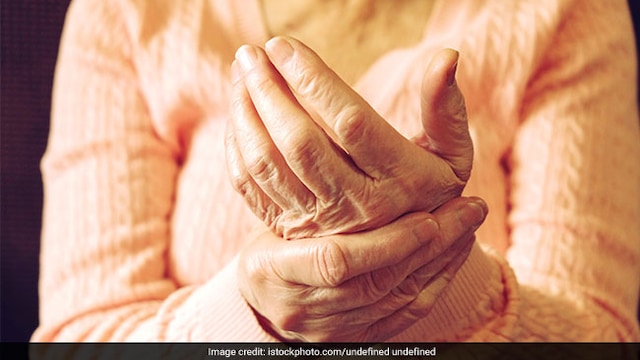
Osteoporosis, often referred to as the "silent disease," is a condition characterised by weak and brittle bones that can develop gradually without noticeable symptoms. Many individuals may unknowingly suffer from this affliction for years, only to experience a fracture from a minor fall, a sudden movement, or even a routine daily activity. Understanding osteoporosis, its risk factors, and the importance of timely diagnosis is crucial for maintaining optimal bone health as you age.
Despite its prevalence, misconceptions about osteoporosis persist. Here are some common myths and the truths behind them.
Myth 1: Osteoporosis Always Causes Pain
Fact: Osteoporosis in itself does not cause any pain at the initial stages. Pain arises primarily when bones break. Common fracture sites include the hip and wrist, while spinal fractures, which can occur with minimal or no injury, may lead to chronic back pain and noticeable changes in height.
Myth 2: If I Feel Healthy, My Bones Must Be Strong
Fact: A perception of good health and fitness does not necessarily equate to strong bones. Bone loss can occur silently, particularly due to ageing, menopause, insufficient intake of calcium and vitamin D, a sedentary lifestyle, or underlying health conditions. Regular check-ups are essential, especially for those at risk.
Myth 3: Osteoporosis Only Affects Older Women
Fact: While osteoporosis is more common in older adults, particularly in postmenopausal women, men and younger individuals can also be affected. Risk factors such as family history, low body weight, smoking, excessive alcohol consumption, certain medications, and specific health conditions contribute to increased susceptibility.
Myth 4: A Routine Blood Test Can Diagnose Osteoporosis
Fact: Blood tests can provide information about the underlying causes of osteoporosis and measure calcium and vitamin D levels, but they are not definitive for diagnosing the condition. The standard method for assessing bone density is the bone mineral density (BMD) test, typically performed through dual-energy X-ray absorptiometry (DEXA or DXA).
READ | Osteoporosis Is Showing Up Earlier Than Ever: Expert On How Young Adults Can Prevent It
When Should You Get Tested?
Individuals with a history of fragile fractures, those with high-risk factors, or women experiencing early menopause or long-term steroid therapy should consider undergoing a bone density examination. A doctor can recommend screening based on age, medical history, and individual risk factors for fractures.
The Takeaway
Osteoporosis can exist without visual signs, making awareness and early detection critical. To foster better bone health, maintain a balanced diet rich in calcium, ensure adequate vitamin D intake, engage in regular weight-bearing exercise, and avoid smoking. Discuss your risk of developing osteoporosis with your healthcare provider to take proactive steps toward maintaining your bone health. Taking these measures can make a significant difference in your overall well-being and quality of life as you age.
(Dr. Simon Thomas, Vice Chairman - Robotic Joint Replacements & Orthopaedics, Max Super Speciality Hospital, Shalimar Bagh)
Disclaimer: The opinions expressed within this article are the personal opinions of the author. NDTV is not responsible for the accuracy, completeness, suitability, or validity of any information on this article. All information is provided on an as-is basis. The information, facts or opinions appearing in the article do not reflect the views of NDTV and NDTV does not assume any responsibility or liability for the same.