

)
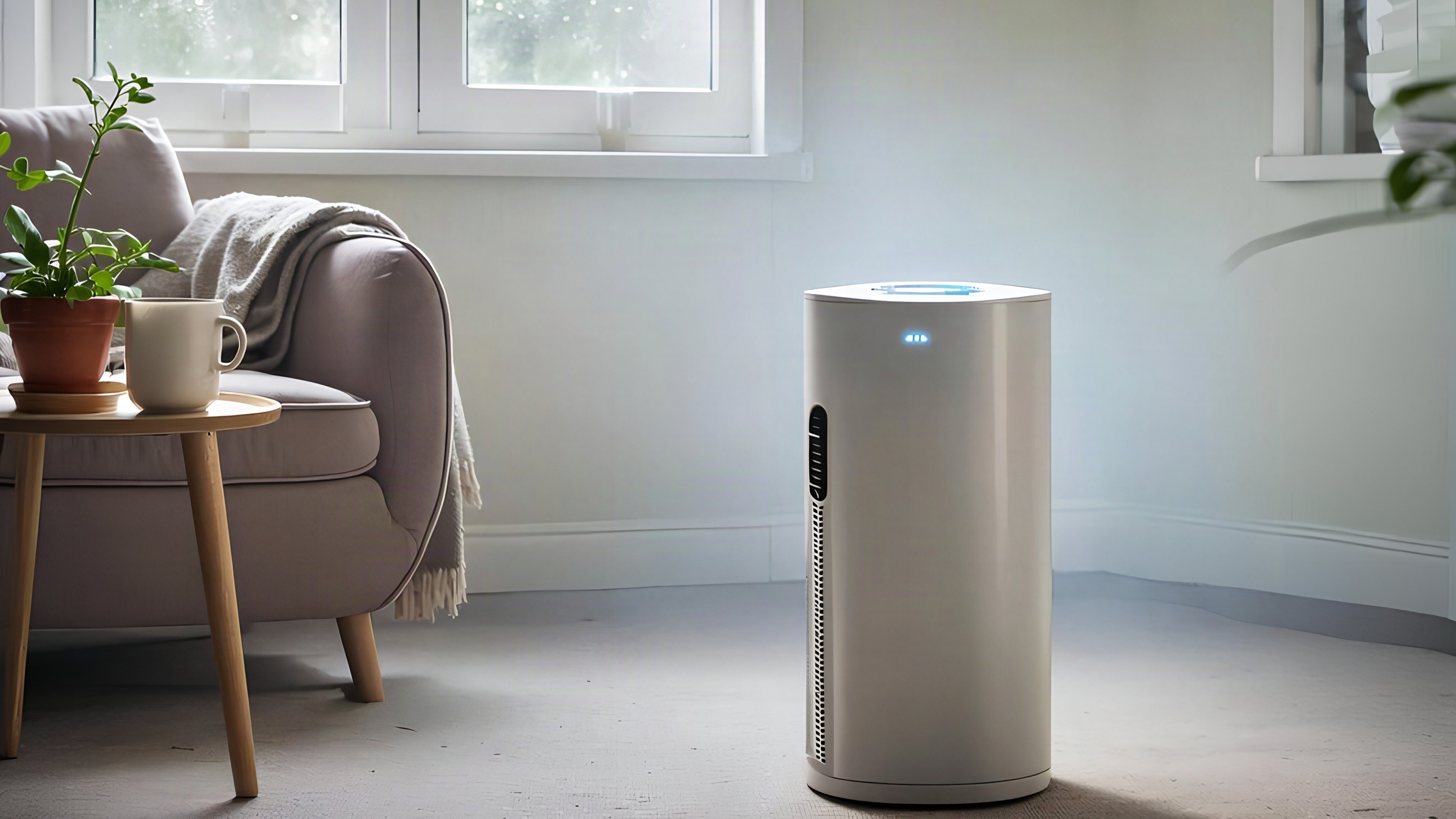
Indoor air pollution is often overlooked because the air inside our homes may appear clean. But dust, smoke, pet dander, pollen, mould spores and fine particles can remain suspended in the air and irritate the lungs. For people with asthma, allergies or chronic respiratory problems, children and older adults, prolonged exposure may be particularly concerning. The focus should not only be on outdoor pollution but also on the quality of the air we breathe indoors. An air purifier can help reduce some pollutants, but it cannot solve every indoor air-quality problem.
A good-quality purifier, particularly one with a HEPA filter, can remove many airborne particles, including fine particulate matter such as PM2.5. However, relying on a purifier alone may create a false sense of safety. Indoor pollutants can continue to enter the home or be produced inside it through cooking fumes, tobacco smoke, incense, mosquito coils, cleaning products, paints and poorly ventilated combustion appliances. Therefore, protecting the lungs requires a combination of measures rather than depending on a single device.
What Can An Air Purifier Remove?
Air purifiers are mainly designed to clean pollutants that are suspended in the air. A HEPA filter can trap very small particles and may help reduce indoor levels of particulate matter, dust, pollen and some other airborne particles. However, the performance of a purifier depends on several factors. Room size, clean air delivery rate (CADR), operating time and placement.
A purifier designed for a small bedroom may not be sufficient for a large living room. Similarly, using a purifier for only a short period may not provide the same benefit as running an appropriately sized device for longer.
Purifiers Cannot Remove Everything
One important limitation is that not all indoor pollutants are particles. Some pollutants are gases or volatile organic compounds (VOCs), which may require specialised filtration technologies such as activated carbon.
Speaking to NDTV, Dr Harish Verma, Director, Pulmonology, ShardaCare - Healthcity, said, "Air purifiers can be a useful tool for improving indoor air quality, but they should not be considered a complete solution for protecting lung health."
He explains that pollutants can continuously enter homes from several sources. Cooking fumes, tobacco smoke, incense, mosquito coils, cleaning products and paints can all contribute to indoor pollution. Poorly ventilated combustion appliances can also affect air quality.
Ventilation Still Matters
Fresh air circulation is another important part of indoor air-quality management. "During periods when outdoor air quality is good, opening windows and allowing fresh air to circulate can help reduce indoor pollutants. However, when outdoor pollution levels are high, ventilation should be planned carefully rather than keeping windows open continuously," said Dr Verma.
Ventilation should be planned according to outdoor air quality rather than treated as something that should always be maximised.
Remove Pollution At Its Source
Reducing pollutants before they enter the air is one of the most effective ways to improve indoor air quality.
- Avoid smoking indoors: Tobacco smoke can release numerous harmful pollutants into the indoor environment.
- Use kitchen exhaust fans: Cooking can produce smoke, particles and other pollutants, particularly when frying or using high heat.
- Limit incense and mosquito coils: Their burning can release particulate matter and other substances into the air.
- Control dampness and mould: Fix leaks and damp areas promptly because mould spores can irritate the airways.
- Keep surfaces clean: Regular cleaning can reduce accumulated dust and allergens.
- Use cleaning products carefully: Strong fumes can contribute to indoor irritation, particularly in poorly ventilated spaces.
Choose And Maintain The Purifier Properly
Buying an air purifier is only the first step. The device should be appropriate for the size of the room where it is being used. Checking its CADR can help determine whether it can circulate and clean enough air for that space.
Filter maintenance is equally important. Filters need to be cleaned or replaced according to the manufacturer's instructions. A clogged or poorly maintained filter may reduce the device's effectiveness.
It is also important to remember that using one purifier in one room does not automatically make the entire house clean. Pollution can move between rooms, particularly when doors are open and there are multiple indoor sources.
Watch For Respiratory Symptoms
People who spend significant time indoors should pay attention to symptoms such as persistent cough, wheezing, breathlessness, chest tightness or worsening asthma symptoms.
"An air purifier may support respiratory health, but it should never replace prescribed medication, medical evaluation or appropriate treatment," said Dr Verma.
Disclaimer: This content including advice provides generic information only. It is in no way a substitute for a qualified medical opinion. Always consult a specialist or your own doctor for more information. NDTV does not claim responsibility for this information.