

)
Most people think that diabetes is only high blood sugar. However, what most people do not realise is that they can also affect heart health. Many people only pay attention to blood sugar when they start noticing symptoms like excessive thirst, frequent urination, blurry vision, or tiredness. However, high blood sugar can quietly harm the body even before these warning signs appear. This is why regular health check-ups are important, especially for people with a family history of diabetes or heart disease.
When blood sugar remains high for a long time, it can damage blood vessels and this increases the risk of high blood pressure, blocked arteries, heart attacks, and strokes. Over time, the heart has to work harder to pump blood throughout the body. People who have uncontrolled blood sugar may also experience weight gain, fatigue, and poor circulation, which can further increase the risk of heart disease.
The good news is that certain lifestyle changes can help control blood sugar and protect the heart at the same time. Eating balanced meals, staying active, and managing stress can make a big difference in overall health and well-being. Here are some ways to maintain your heart health.
Ways For Diabetics To Maintain Heart Health
1. Eat a Balanced and Heart-Friendly Diet
Food plays an important role in managing blood sugar. Eating too many sugary foods, refined carbohydrates, and processed snacks can cause sudden spikes in blood sugar levels. Instead, people with diabetes should focus on balanced meals that include whole grains, vegetables, fruits, lean proteins, nuts, and healthy fats. Fibre-rich foods are helpful because they slow down the absorption of sugar into the bloodstream. Drinking enough water and avoiding sugary beverages can also help maintain stable sugar levels. Portion control is also important, as overeating can increase both blood sugar and body weight.
2. Stay Physically Active
Regular exercise helps the body use insulin more effectively and improves blood circulation. Physical activity also strengthens the heart and helps maintain a healthy weight. Simple activities like brisk walking, cycling, yoga, or swimming for at least 30 minutes a day can provide major health benefits. Exercise can also help lower stress levels, which is important because stress hormones may increase blood sugar. People who are new to exercise should start slowly and choose activities they enjoy so they can stay consistent.
3. Manage Stress And Sleep Well
Stress and poor sleep can negatively affect both blood sugar and heart health. When a person is stressed, the body releases hormones that may raise blood sugar levels. Lack of sleep can also affect insulin function and increase cravings for unhealthy foods. Relaxation techniques such as meditation, deep breathing, and spending time with family or friends can help reduce stress. Getting seven to eight hours of quality sleep each night can support overall health and allow the body to recover.
4. Avoid Smoking And Limit Alcohol
Smoking damages blood vessels and increases the risk of heart disease, especially in people with high blood sugar. Alcohol can also affect blood sugar levels and may interfere with certain medications. Quitting smoking and reducing alcohol intake can improve both heart function and blood sugar control.
5. Monitor Your Blood Sugar Regularly
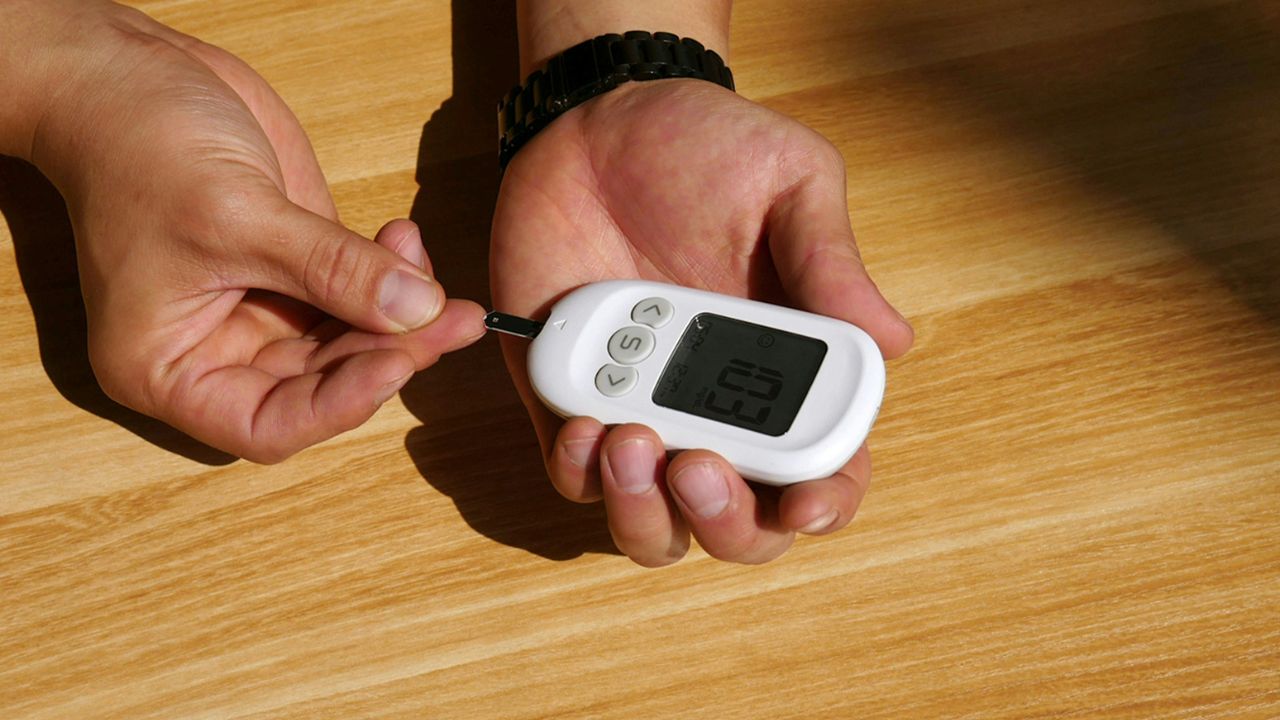
Checking blood sugar levels regularly helps people understand how their body responds to food, exercise, and medication. Monitoring also makes it easier to spot unhealthy patterns before they become serious problems. People with diabetes should follow their doctor's advice regarding testing frequency and target sugar levels. Routine medical check-ups are also important for tracking blood pressure, cholesterol, and heart health. Early detection of any issue can help prevent complications and improve treatment outcomes.
Disclaimer: This content including advice provides generic information only. It is in no way a substitute for a qualified medical opinion. Always consult a specialist or your own doctor for more information. NDTV does not claim responsibility for this information.