

)
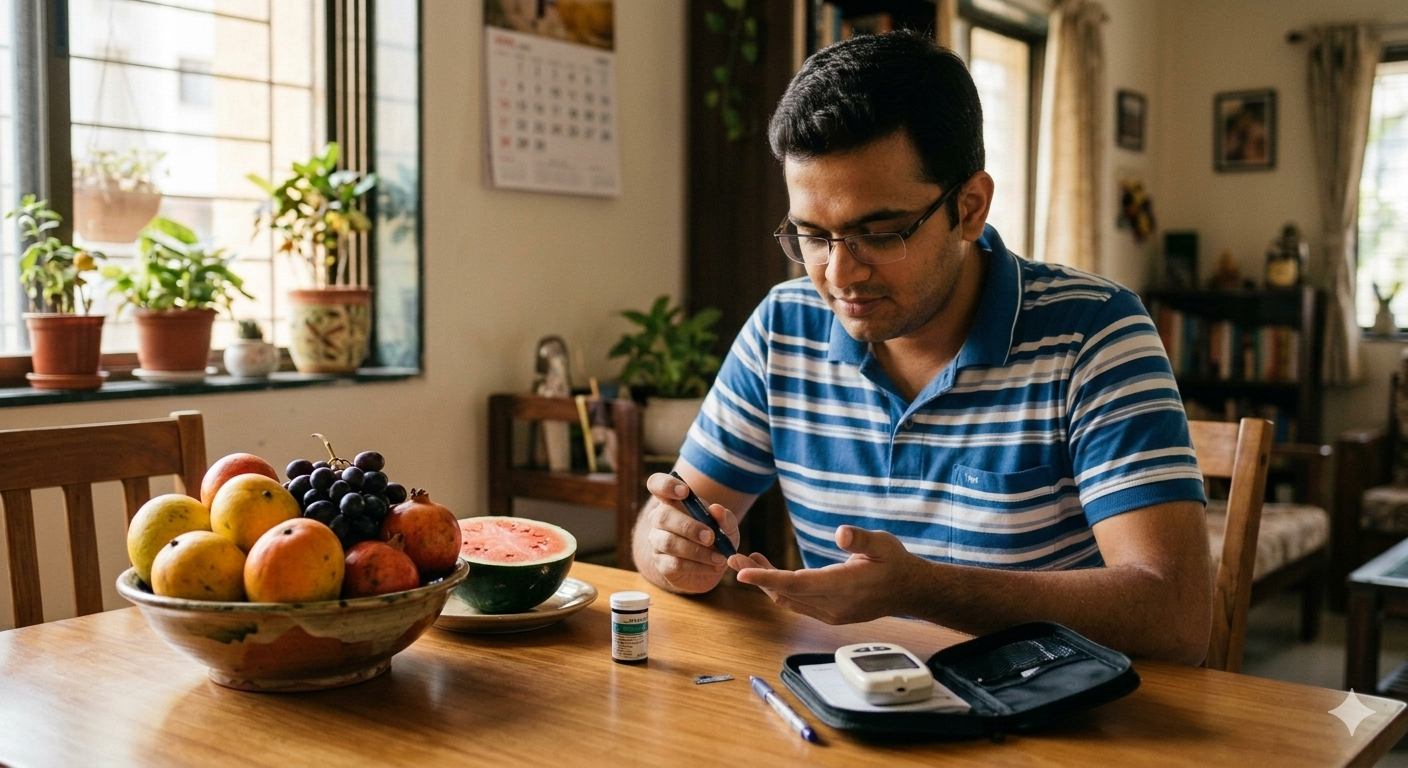
Maintaining healthy blood sugar levels is crucial for individuals with diabetes to prevent complications associated with the condition. Diabetes increases the risk of heart disease, nerve damage, kidney damage, and vision problems. Consistently high blood sugar levels can lead to serious health issues, so managing glucose levels is essential for both short-term and long-term health.
During the summer, fresh fruits often become a regular part of everyone's diets, leading many to wonder if diabetics can enjoy them. The good news is that they can! However, moderation and mindful choices are key. While fruits contain natural sugar (fructose), they also offer essential fibre, vitamins, and antioxidants. Diabetics should be cautious about portion sizes and the types of fruits they consume to effectively manage their blood sugar levels.
How can diabetics safely have fruits?
People with diabetes can safely enjoy summer fruits by focusing on two key factors: the Glycemic Index (GI), which measures how quickly a fruit raises blood sugar, and portion control.
"Fruits that are low on the glycaemic index, like apples, guava, pears, berries and papaya, can be safely consumed by individuals with diabetes because they release sugar into the bloodstream at a slow rate. Whole fruits should be consumed instead of fruit juices because of the fibre content, which will minimise spikes in sugar consumption when eaten as whole fruits on their own," explains Dr. Rajeev Chowdry, Director - Internal Medicine, Yatharth Super Speciality Hospital.
Low GI fruits include jamun, guava, berries, peaches, plums, pears and apples.
Fruits to eat with caution
Some summer favourites are high in sugar or have a higher GI, meaning they can cause faster spikes. These fruits can be part of a diabetic diet but require strict portion control:
- Mangoes
- Watermelon
- Grapes
- Pineapple
- Papaya
Additionally, fruits are rich in fibre, which is the secret weapon that helps diabetics because it slows down the absorption of sugar, preventing the sharp glucose spikes that are dangerous for diabetics.
Dr. Chowdry further shared the following tips for diabetics to enjoy summer fruits without guilt:
- Combine fruits with protein and healthy fats like nuts or yogurt to slow down the absorption of glucose into the bloodstream.
- Diabetics should spread out their fruit consumption over the course of a given 24-hour period and should not add sugars or salts to fruit.
- Fruit should be eaten at or before the mid-afternoon hours, or used for a late afternoon snack, to prevent spikes in blood sugar levels.
- Diabetics should not consume fruits on an empty stomach or immediately after eating a large meal.
- Limit yourself to one serving at a time, for example, 1 medium orange or 1 small apple. Most people with diabetes should only consume 1-2 servings of fruit daily, spread throughout the day.
Some additional tips:
- Summer can lead to dehydration, which can affect blood sugar levels. Drink plenty of water throughout the day and consider incorporating hydrating fruits like cucumbers and melons.
- After trying a new fruit, check your blood glucose levels to see how your body reacts. This can help you understand which fruits work best for you.
- Avoid fruit juices, canned fruits in heavy syrups, or dried fruits, as these can contain added sugars and high glycemic levels.
By making thoughtful choices and being aware of portion sizes, diabetics can enjoy the delicious summer fruits while keeping their blood sugar levels in check. As always, diabetics should consult with their healthcare provider or a dietitian for personalised advice tailored to their individual health needs.
Disclaimer: This content including advice provides generic information only. It is in no way a substitute for a qualified medical opinion. Always consult a specialist or your own doctor for more information. NDTV does not claim responsibility for this information.