


‘A Spirit of Dialogue'

  • Davos-Klosters, Switzerland
  • 19th-23rd Jan 2026

'Hopeful Of India-US Trade Deal': WEF Chief Borge Brende

Explore The Key Themes

How can we cooperate in a more contested world?

How can we cooperate in a more contested world?

Intensifying competition among major powers is reshaping global influence and regional stability, while societies are increasingly polarized in many countries. This new era is defined by contested norms, shifting alliances, and the erosion of trust. As volatility and compounding risks intensify, organizations of all types must now continuously adapt to a highly complex set of dynamics. Geoeconomics is increasingly at the heart of corporate decision-making, as companies look to develop greater geopolitical intelligence to address this highly fluid environment where long-held assumptions about security, sovereignty and impact are being challenged in real time. In this context, it's crucial for businesses, governments, and civil society to work together to find common solutions and take decisive action. Through its Centres, the World Economic Forum integrates public-private efforts to achieve greater impact.

How can we unlock new sources of growth?

How can we unlock new sources of growth?

Caught amid heightened trade tensions and policy uncertainty, global growth is projected at just 3.1% for 2026 reflecting an unpredictable operating environment. Trade, a traditional engine of growth, is now expected to expand by just 0.9% in 2025 as existing rules are challenged while new ones are yet to emerge. As headline inflation is gradually reined in, core inflation remains elevated while debt-to-GDP has climbed to a record high of 95%. This all comes at a time of limited fiscal and monetary space for policymakers. The outlook will increasingly depend on the ability of economies to not only confront near-term shocks but also harness innovation to boost long-term productivity. Moreover, economic policy should remain attuned to the workforce and the public at large, ensuring that the benefits of growth reach and reward more people. In this context, it's crucial for businesses, governments, and civil society to work together to find common solutions and take decisive action. Through its Centres, the World Economic Forum integrates public-private efforts to achieve greater impact.

How can we better invest in people?

How can we better invest in people?

Investing in reskilling and upskilling will be crucial to achieving a resilient workforce in this economic landscape given that 22% of today's jobs worldwide will change in just the next five years driven particularly by AI. In emerging economies, job creation will need to accelerate to absorb the labour surplus of nearly 800 million young people due to become working age over the next decade. The need for cross-dimensional resilience is also reflected in human health, with 4.5 billion people currently lacking access to essential healthcare services and the sector facing an estimated $10.5 billion per year funding gap, underscoring the need to invest in health outcomes. In this context, it's crucial for businesses, governments, and civil society to work together to find common solutions and take decisive action. Through its Centres, the World Economic Forum integrates public-private efforts to achieve greater impact.

How can we deploy innovation at scale and responsibly?

How can we deploy innovation at scale and responsibly?

AI is reshaping how industries operate, compete and create value, and is projected to add over $15 trillion to global GDP by 2030. Nearly 90% of businesses across all sectors expect AI and other technologies to transform their businesses in the short-term, including through productivity gains. Realizing this potential will require not only responsible deployment and governance but also sustained investment in frontier technologies ranging from biotechnology and quantum to space and semiconductors and sensors. Meanwhile, the need to deliver on the energy transition is greater than ever, and the challenge is no longer ambition but execution. Scaling new technologies, upgrading grids, and improving access to innovation, especially in emerging markets, are central to achieving the breakthroughs needed to deliver on the energy needs of tomorrow. In this context, it's crucial for businesses, governments, and civil society to work together to find common solutions and take decisive action. Through its Centres, the World Economic Forum integrates public-private efforts to achieve greater impact.

How can we build prosperity within planetary boundaries?

How can we build prosperity within planetary boundaries?

Infrastructure, food systems, and natural ecosystems are all affected by climate change, reinforcing the need to further develop nature-based solutions as part of an integrated approach. Nature loss impacts 75% of the Earth's land and poses significant economic risks, yet transitioning to nature- positive business models could unlock $10 trillion annually by 2030. The tradeoff between protecting the environment and pursuing economic growth is not inevitable, rather, resilient ecosystems enable long-term economic and social opportunity and stability. Investing in regenerative, circular and inclusive systems of production and consumption can ensure that growth remains within planetary boundaries. In this context, it's crucial for businesses, governments, and civil society to work together to find common solutions and take decisive action. Through its Centres, the World Economic Forum integrates public-private efforts to achieve greater impact

Key Faces

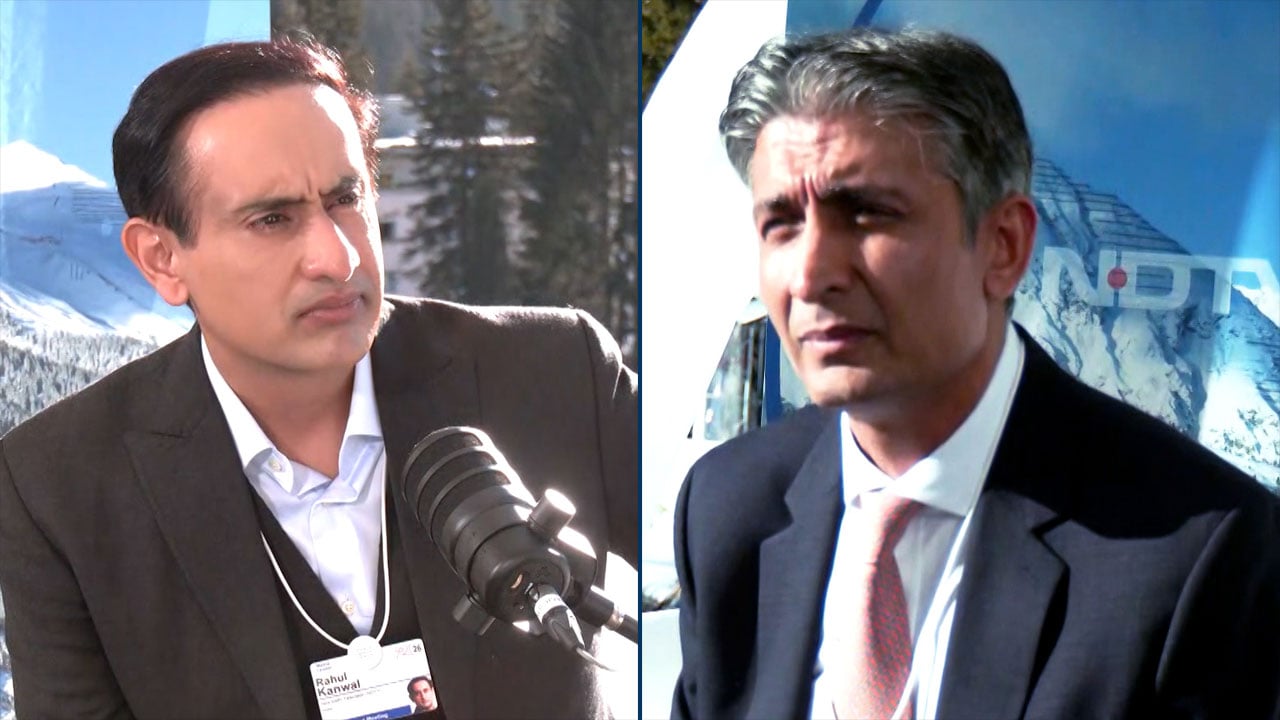
Rahul Kanwal
Rahul Kanwal
Vishnu Som
Vishnu Som
Tamanna Inamdar
Tamanna Inamdar
Ambika Singh
Ambika Singh
Aayush Ailawadi
Aayush Ailawadi

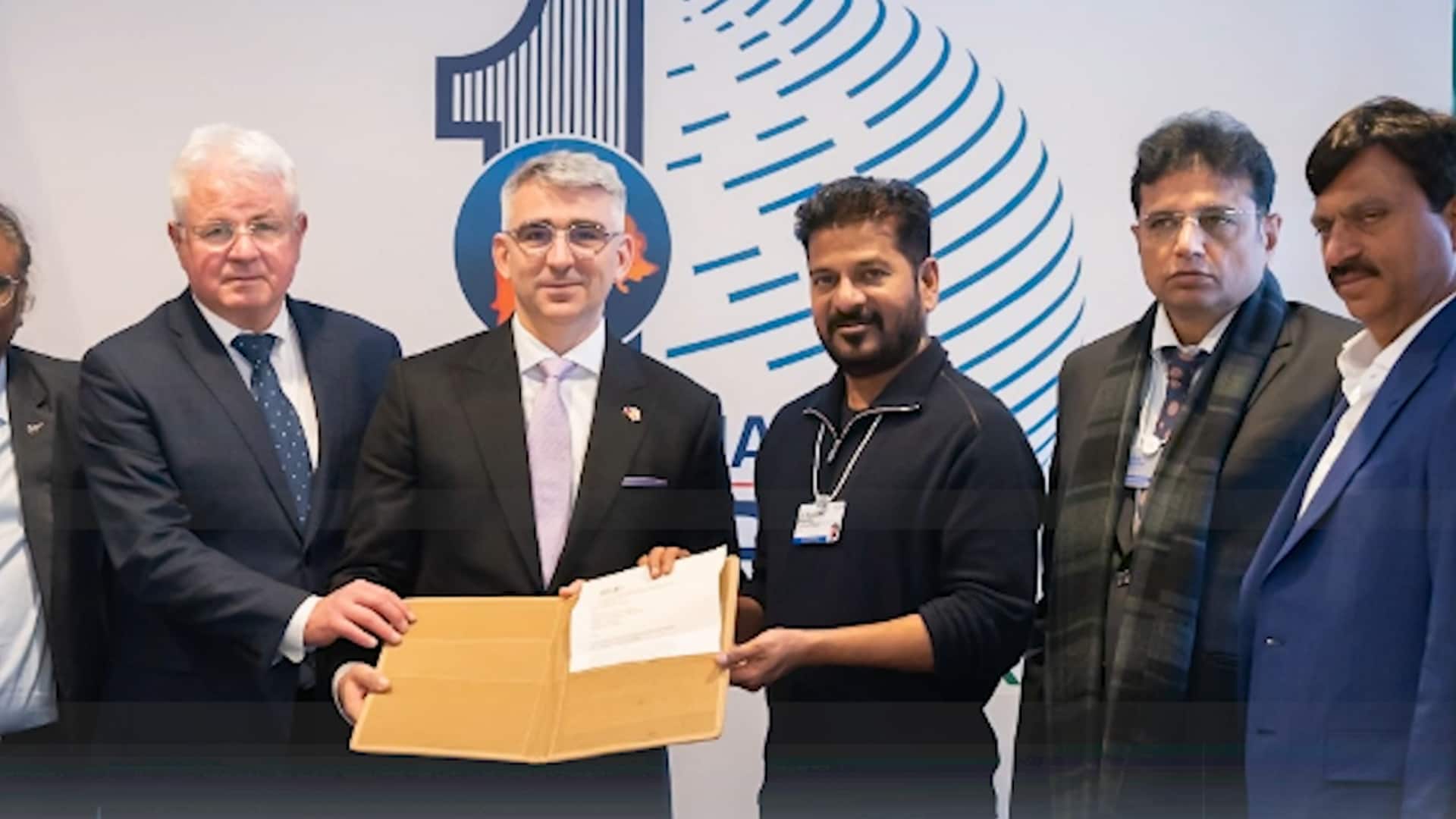
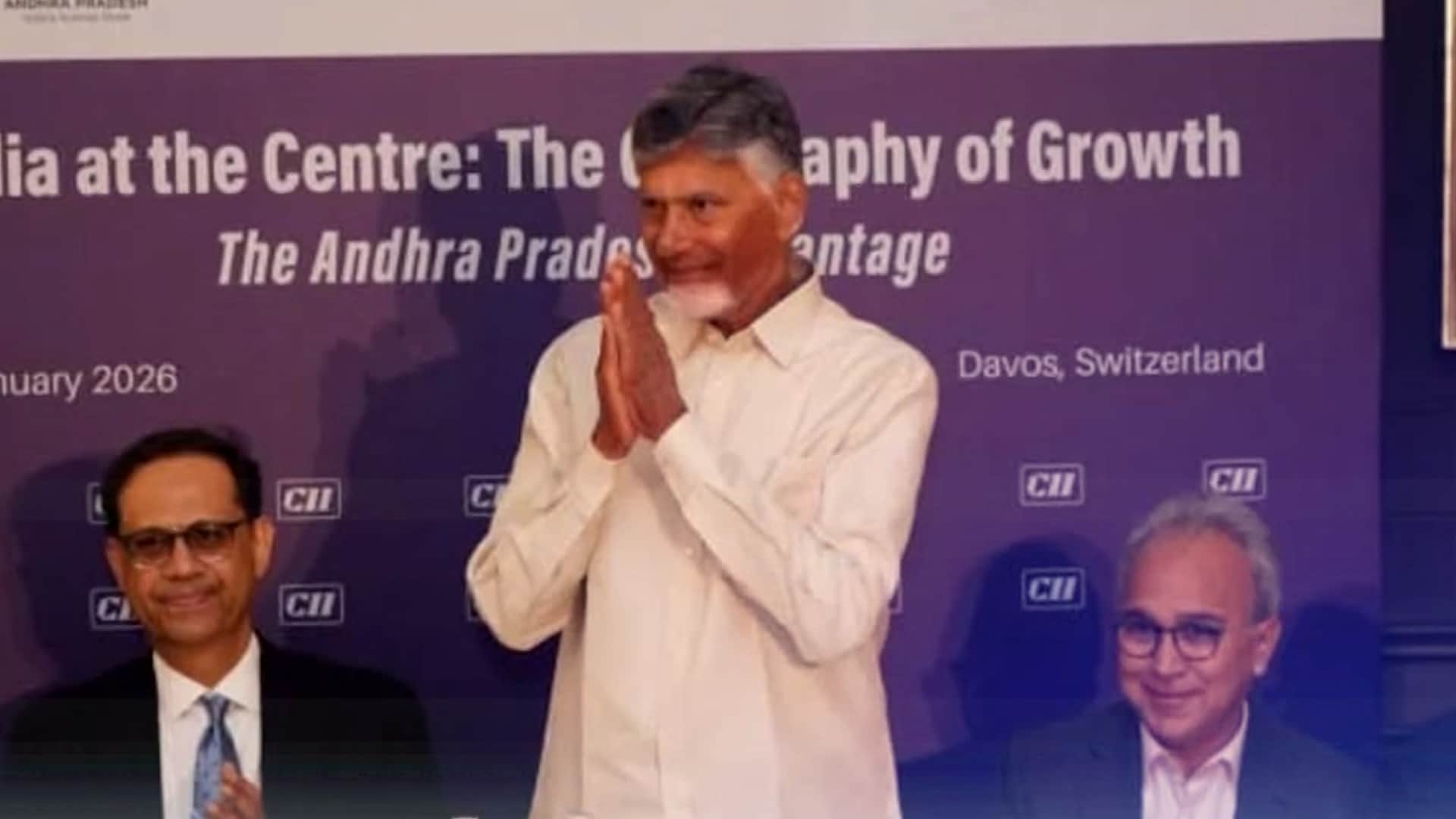
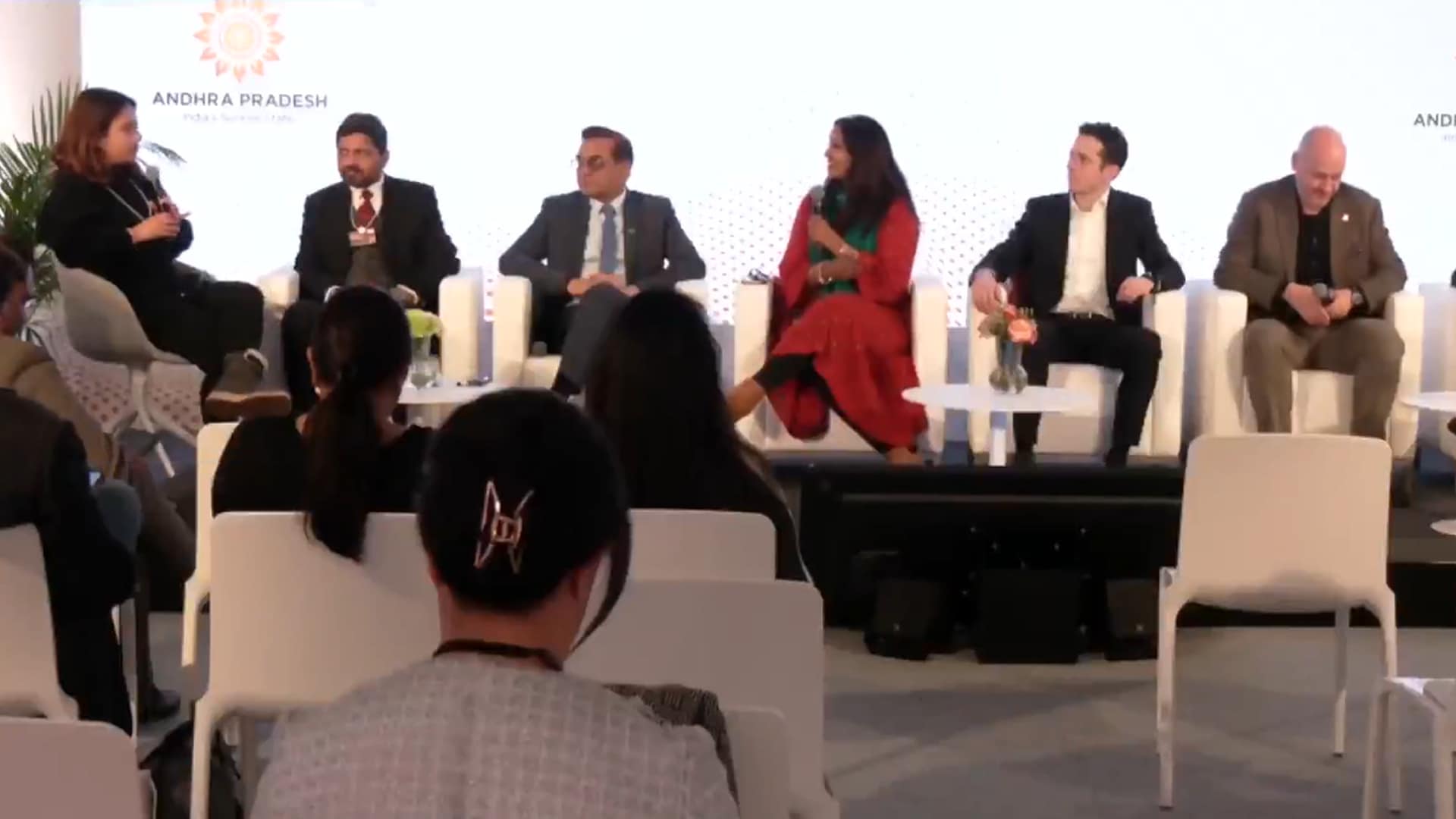
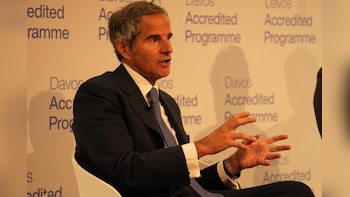
The World Economic Forum Annual Meeting themed on ‘A Spirit of Dialogue' will be held from January 19 to 23, 2026 in Switzerland’s Davos-Klosters.

World leaders from government, business, civil society and academia will meet in Davos to engage in forward-looking discussions to address global issues and set priorities. The call for bold collective action makes Davos 2026 particularly relevant.

The World Economic Forum (WEF) says Davos 2026 will be structured around five key global challenges where public-private dialogue and cooperation, involving all stakeholders, is necessary for progress.

In addressing these challenges, growth, resilience, and innovation will serve as cross- cutting imperatives, guiding how leaders engage with today's complexity and pursue tomorrow's opportunities, the WEF says. 

Sponsors

Powered By

Andhra Pradesh EDB

Charging Partner

Charge Zone

Realty Partner

M3M