

)
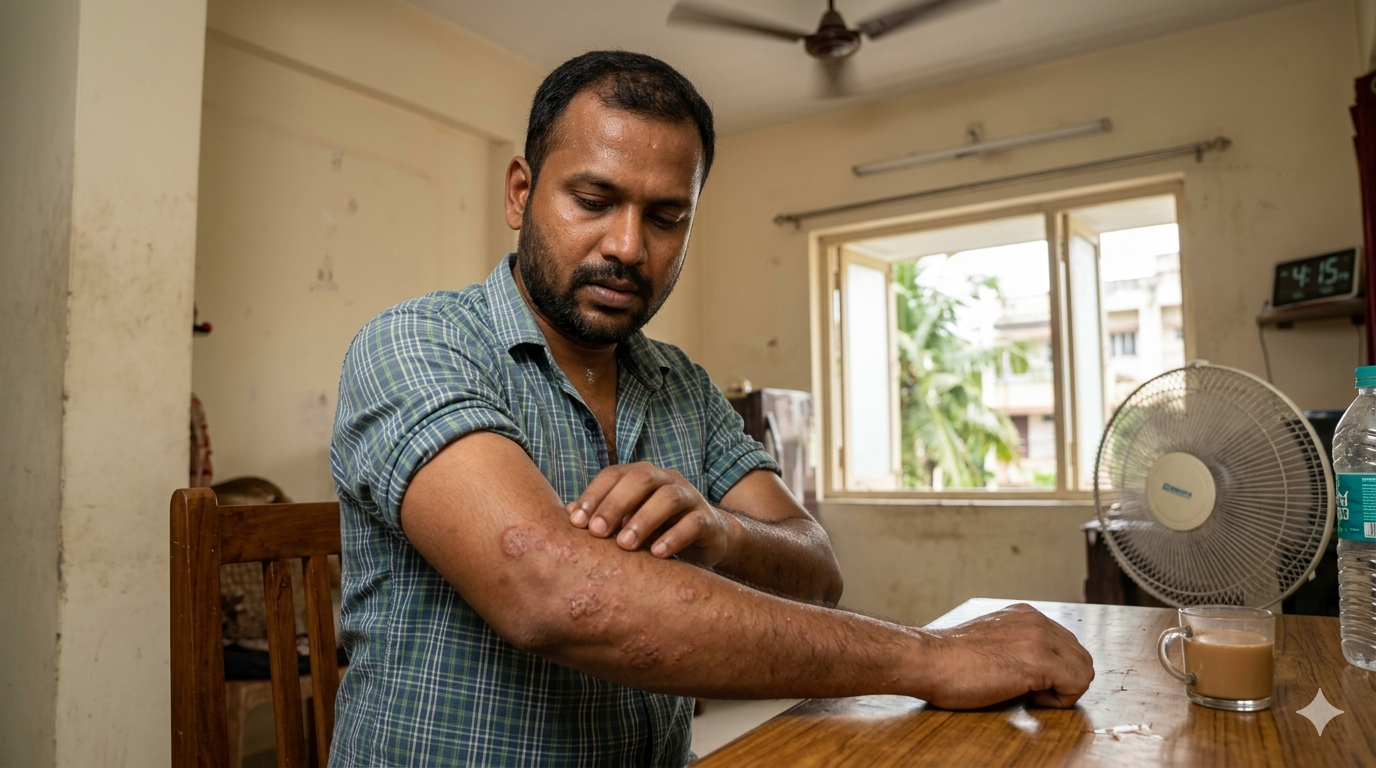
Fever is one of the most common symptoms we see in medicine, and in most cases, it settles with simple treatment. The worry begins when it doesn't follow that expected path - when it lingers, keeps coming back, or simply doesn't behave the way it should. What many people don't realise is that fungal infections are fast becoming a serious public health concern. Over the past two decades, the number of people getting these infections has been steadily rising. When fungi go beyond the skin and sinuses to invade internal organs such as the lungs or the bloodstream, we call them invasive fungal infections, or IFIs. Unlike most illnesses, they don't announce themselves suddenly. Instead, they creep in quietly, causing subtle changes that are easy to miss. By the time the infection becomes obvious, it may already be well advanced. This is exactly why prevention matters so much - not just as a general safety measure, but as the most important line of defence we have.
Understanding Where the Risk Lies
The risk of developing an IFI is closely tied to how well the immune system is functioning. In most healthy people, these fungi cause no harm at all. But when the immune system is weakened, even an ordinarily harmless fungus can become dangerous. People who are most vulnerable include those with poorly controlled diabetes, those undergoing chemotherapy for cancer, organ and stem cell transplant recipients, patients on high-dose or long-term steroid treatment, and those who have spent a prolonged period in an intensive care unit. In a country like India, where diabetes is extremely common and fungal spores are present all around us in the environment, the conditions for these infections to take hold are never far away.
Also read: Warm, Moist And Itchy: 7 Fungal Infections You Must Protect Against In Summers
The scale of this problem is significant. Experts from leading institutions including AIIMS New Delhi, PGI Chandigarh, and the University of Manchester, after reviewing data from over 400 published research studies, have estimated that around 60 million Indians (about 4.1% of the population) are affected by a serious fungal disease. Recognising who is at risk is the first step, because it allows protective measures to begin early, often before any symptoms appear.
Prevention Starts Early
Preventing invasive fungal infections starts with managing the conditions that make a person vulnerable in the first place. For people with diabetes, keeping blood sugar levels well controlled is one of the most important things they can do. Similarly, steroids and antibiotics should only be taken when genuinely needed and exactly as prescribed by a doctor.
Simple everyday habits also make a difference. Avoiding dusty places such as construction sites, staying away from damp or poorly ventilated rooms, especially during recovery from an illness, and keeping living spaces clean and dry can all help reduce exposure to fungal spores that are present in the environment.
Recognising the Signals
In the early stages, IFIs rarely give clear warning signs. The first hints are often easy to dismiss: a fever that just won't go away, a cough that lingers longer than expected, or an unusual sense of tiredness that doesn't improve with rest. As the infection progresses, the signs can become harder to ignore. These may include breathlessness during everyday activities, chest discomfort, headache or a blocked and congested feeling in the sinuses that feels different from a typical cold or allergy.
Also read: Fungal Infections In Intimate Areas: Doctor Explains Causes, Treatment, Prevention
While none of these symptoms may seem alarming on their own, they are important signals that deserve attention. Seeing a doctor promptly when these symptoms appear can make a real difference - because the earlier the infection is identified, the easier it is to treat.
Why Early Evaluation Matters
There isn't a single test that can reliably pick them up at the very beginning. In fact, the symptoms can look a lot like other common illnesses, such as bacterial infections or even tuberculosis, which can make diagnosis confusing. Doctors often need to use a combination of clinical assessment, imaging (such as scans), and laboratory tests to arrive at a diagnosis.
The good news is that medical science has made real progress in detecting these infections sooner. Specialised blood tests are now available that can pick up signs of a fungal infection earlier than was previously possible, giving doctors a valuable head start in making the right diagnosis.
This is why seeking medical evaluation early is so important. When these infections are considered as a possibility from the start, doctors can act sooner-sometimes even before the illness becomes severe. Early attention can make a meaningful difference in outcomes.
The Cost of Looking Away
What makes IFIs concerning is the impact of delay. As the infection progresses, it can involve vital organs such as the lungs, or brain, making treatment more complex and outcomes less predictable. For people at higher risk, doctors may sometimes recommend preventive antifungal treatment to reduce the chance of infection. This decision is made carefully, based on individual risk factors.
Prevention, however, goes beyond medication. It also means paying attention when something doesn't feel right or isn't improving as expected-and seeking care in time. Early signs are often subtle. In the end, protecting yourself from invasive fungal infections is not about fear-it is about awareness, timely action, and not ignoring what your body is trying to tell you.
(By Dr. Mohammed Shakeel Sillat, DM Infectious Diseases (CMC Vellore), Infectious Diseases Specialist & Infection Control Officer, Fortis Hospitals, Bangalore Cluster)
Disclaimer: The opinions expressed within this article are the personal opinions of the author. NDTV is not responsible for the accuracy, completeness, suitability, or validity of any information on this article. All information is provided on an as-is basis. The information, facts or opinions appearing in the article do not reflect the views of NDTV and NDTV does not assume any responsibility or liability for the same.