

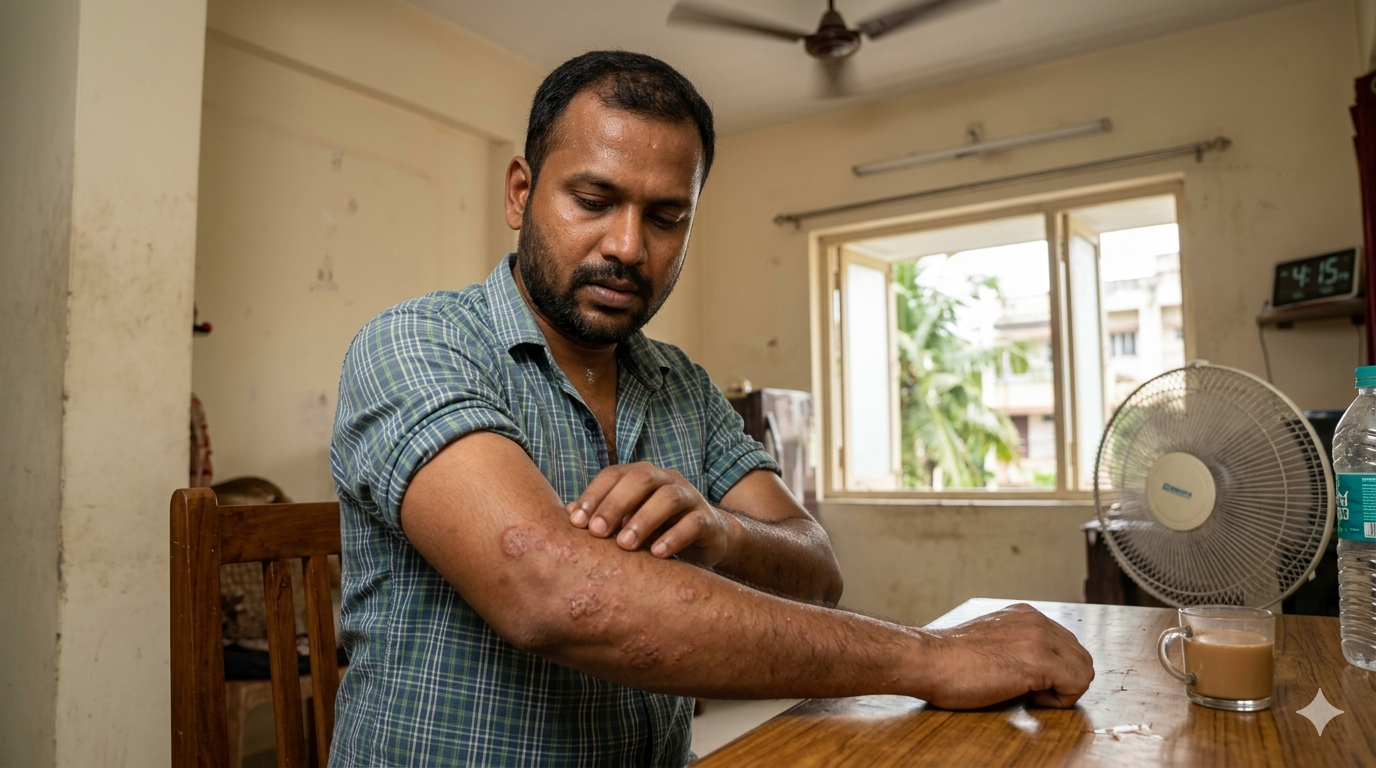
)
Indian summers are not just about soaring temperatures, they also bring intense humidity, sweating and prolonged skin exposure to heat. While this combination can feel uncomfortable, it also creates the perfect breeding ground for fungal infections. Dermatologists across the country report a sharp rise in cases during warmer months, especially in regions with high humidity. Fungal infections thrive in warm, moist environments and tend to affect areas where sweat accumulates, such as the groin, underarms, feet and skin folds.
According to clinical research, superficial fungal infections (dermatophytoses) affect nearly 20-25% of the global population, with higher prevalence in tropical countries like India due to climate and lifestyle factors. For Indian skin types, often exposed to heat, pollution and occlusive clothing, the risk is even greater. Tight garments, synthetic fabrics and inadequate drying of sweat can worsen the problem.
The result? Persistent itching, redness, rashes and discomfort that can spread if not treated early. Understanding the most common fungal infections seen during Indian summers, and how to prevent them, can help you protect your skin and avoid recurring issues.
Why Summer Triggers Fungal Infections
Fungi grow best in warm, moist and sweaty conditions, making Indian summers ideal for their spread.
Common triggers include:
- Excessive sweating
- Tight or non-breathable clothing
- Poor hygiene or damp skin
- Diabetes or weakened immunity
Dermatophytes (fungi that infect skin, hair and nails) feed on keratin and commonly affect superficial layers of the skin.

7 Common Fungal Infections In Indian Summers
1. Ringworm (Tinea Corporis)
A common fungal infection affecting the body.
- Appears as red, circular, scaly patches
- Often itchy with a raised border
- Can spread through skin contact
It is one of the most commonly reported fungal infections in India.
2. Jock Itch (Tinea Cruris)
Affects the groin and inner thighs.
- Red, itchy rash in skin folds
- Worsens with sweat and tight clothing
- Highly common in hot climates
Studies show tinea cruris can account for a large proportion of chronic fungal infections in India.
3. Athlete's Foot (Tinea Pedis)
Common in people who wear closed footwear for long hours.
- Itching, peeling skin between toes
- Cracked or soggy skin
- Burning sensation
Moist footwear and sweating increase risk significantly.
4. Fungal Infection Of Nails (Onychomycosis)
Affects toenails or fingernails.
- Thickened, discoloured nails
- Brittle or crumbling texture
- Slow to treat and often recurrent
5. Yeast Infection (Candidiasis)
Caused by yeast like Candida.
- Occurs in skin folds (underarms, under breasts)
- Redness, itching, sometimes discharge
- More common in people with diabetes
6. Scalp Ringworm (Tinea Capitis)
More common in children but can affect adults.
- Patchy hair loss
- Scaling and itching
- Can spread easily through contact
7. Tinea Versicolor (Fungal Pigmentation)
Affects skin colour rather than causing inflammation.
- Light or dark patches on chest, back, shoulders
- Mild itching
- More visible after sun exposure
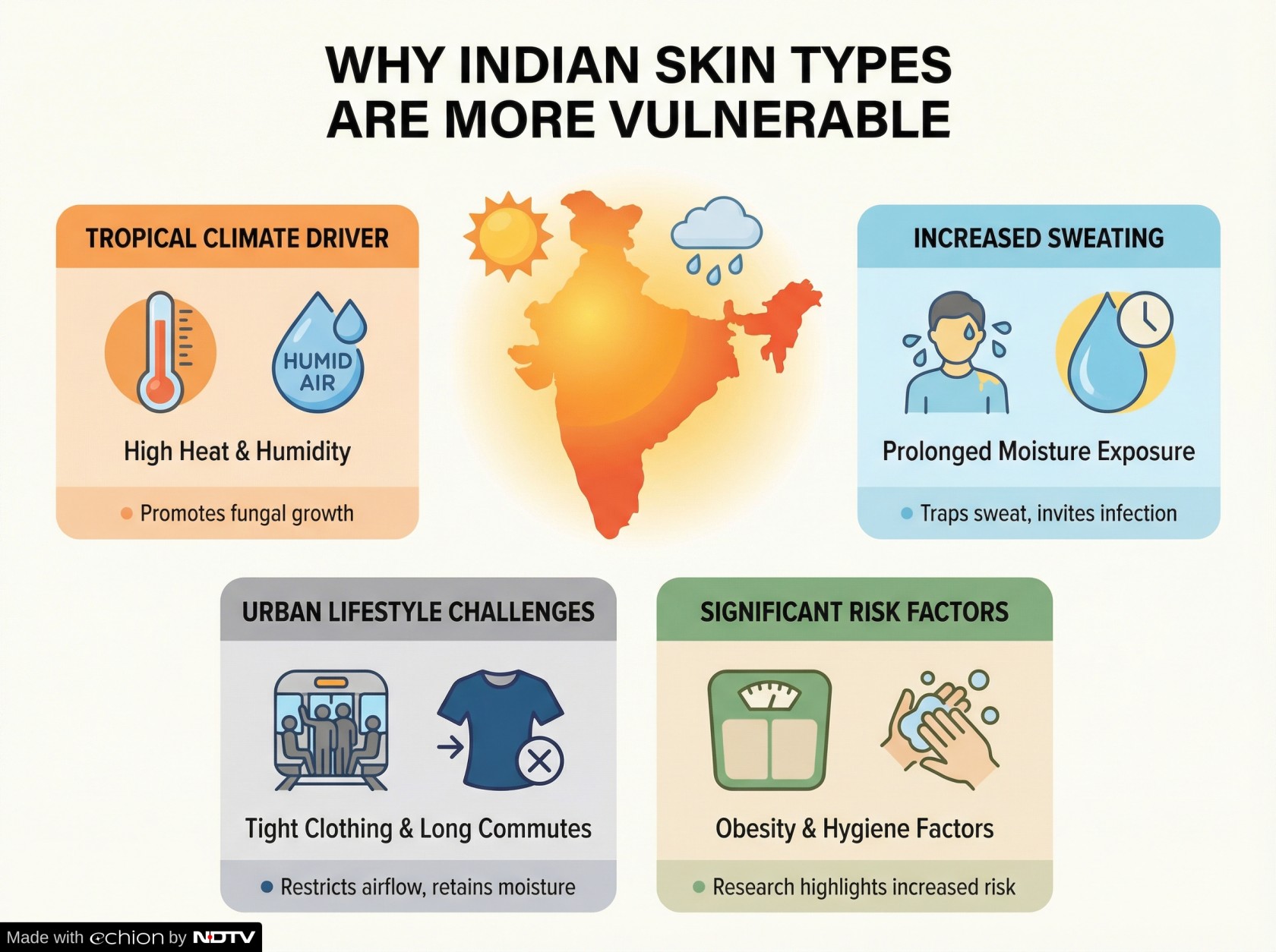
Why Indian Skin Types Are More Vulnerable
India's tropical climate plays a major role in fungal infections.
- High humidity promotes fungal growth
- Increased sweating leads to prolonged moisture exposure
- Urban lifestyles involve tight clothing and long commutes
- Research highlights that heat, humidity, obesity and hygiene factors significantly increase risk in India.
Common Symptoms You Shouldn't Ignore
Fungal infections may seem minor initially but can worsen if untreated.
Watch out for:
- Persistent itching
- Red, scaly or circular rashes
- Skin peeling or cracking
- Discolouration
- Burning sensation
These infections can spread to other parts of the body or even to other people.
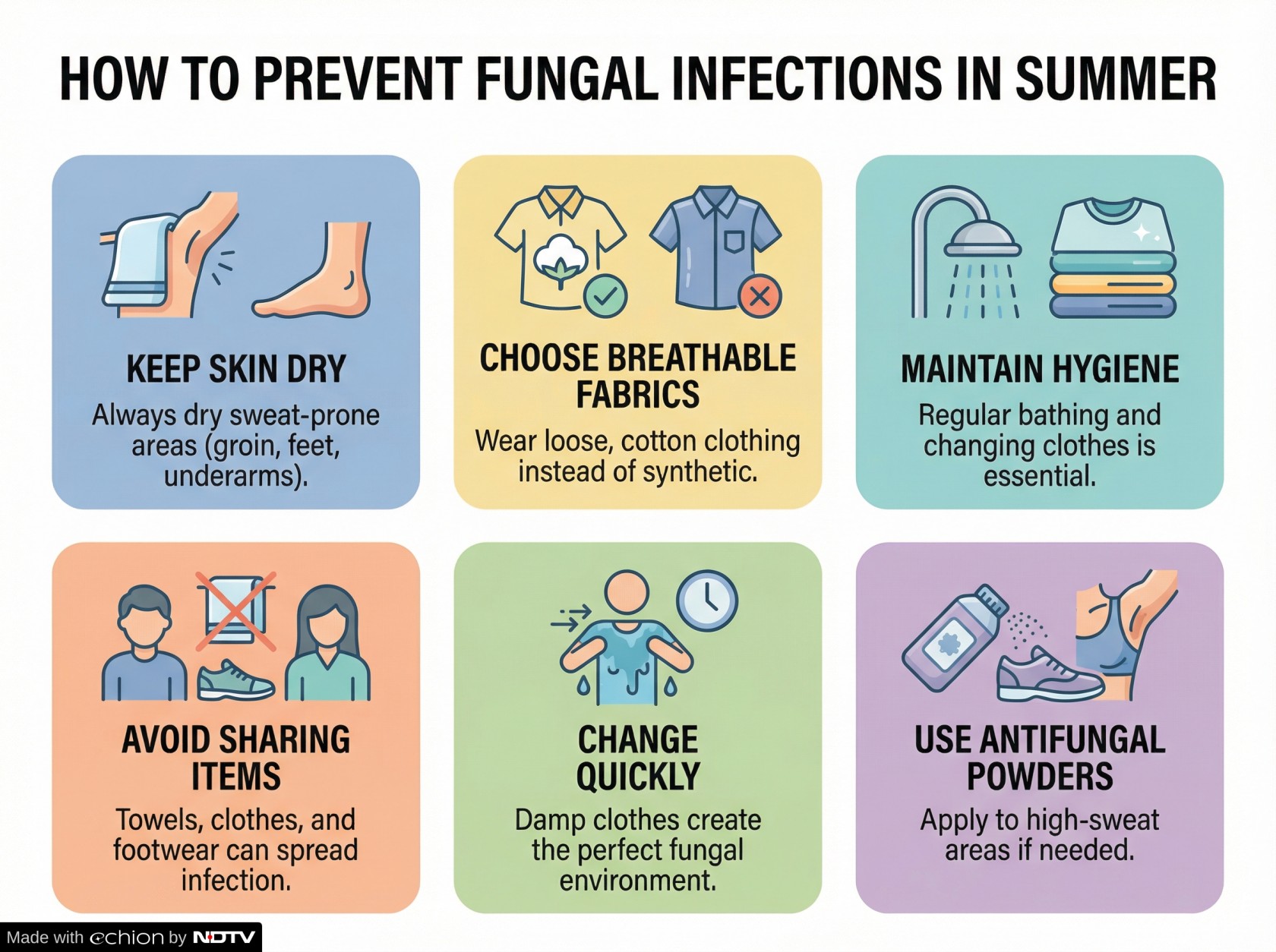
How To Prevent Fungal Infections In Summer
- Keep Skin Dry: Always dry sweat-prone areas like groin, feet and underarms.
- Choose Breathable Fabrics: Wear loose, cotton clothing instead of synthetic materials.
- Maintain Hygiene: Regular bathing and changing clothes is essential.
- Avoid Sharing Personal Items: Towels, clothes and footwear can spread infection.
- Change Out Of Wet Clothes Quickly: Damp clothes create the perfect fungal environment.
- Use Antifungal Powders If Needed: Especially in high-sweat areas.
When To See A Doctor
- If infection spreads or worsens
- If symptoms persist beyond 1-2 weeks
- If you have diabetes or recurring infections
Most fungal infections are treatable with topical or oral antifungal medications, but delayed treatment can make them chronic.
Indian summers may be unavoidable, but fungal infections don't have to be. With heat, humidity and sweat creating ideal conditions for fungal growth, awareness and prevention become key. From ringworm to athlete's foot, these infections are common but manageable. Simple habits like staying dry, wearing breathable fabrics and maintaining hygiene can go a long way in protecting your skin. When it comes to fungal infections, early action is crucial, because what starts as mild itching can quickly turn into a stubborn, recurring problem if ignored.
Disclaimer: This content including advice provides generic information only. It is in no way a substitute for a qualified medical opinion. Always consult a specialist or your own doctor for more information. NDTV does not claim responsibility for this information.