

)
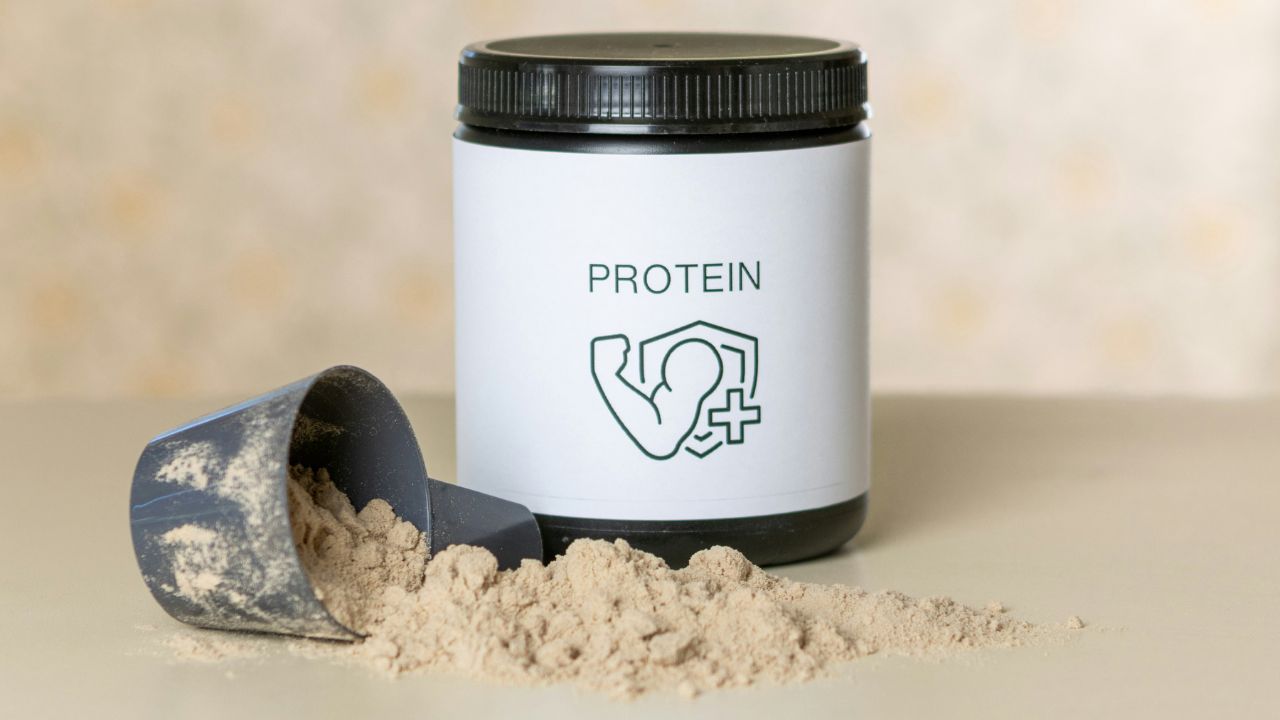
Consuming protein powder is said to be the most convenient way to meet post-workout protein needs for muscle recovery, and it has become a daily staple for gym goers, and busy professionals. From muscle gain to weight loss, it is often marketed as a quick fix for better health. But an important question which always arise: can you take too much protein powder? While protein is essential, excessive intake, especially from supplements, can put unnecessary strain on your body. According to a 2023 study, protein supplements in the form of powder provide beneficial effects on the body; excessive consumption requires caution. High intake has been linked to hyperfiltration and increased urinary calcium excretion, which may contribute to the development of chronic kidney disease. Here is the breakdown you need to know about the protein powder.
Why Protein Matters
Protein plays a vital role in muscle repair and growth, the production of important hormones in our body, and ensures that immune health should be maintained. According to the journal Evidence-Based Complementary and Alternative Medicine, proteins serve as the fundamental building blocks for tissue growth, cell regeneration, and repair, playing a vital role in wound healing. If you are physically active, pregnant, or recovering from certain disease, your protein needs may be slightly higher than average. However, more protein does not automatically mean more muscle or better health.
Also read: Are Protein Powders Doing You More Harm Than Good? New Study Says Yes
How Much Protein Do You Actually Need?
For most healthy adults, as per a review published in 2016, the general recommendation is:
- 0.8 grams per kilogram of body weight per day for sedentary individuals
- 1.0 to 1.2 grams per kilogram for moderately active people
- 1.2 to 2.0 grams per kilogram for athletes or those doing intense strength training.
For example, if you weigh 70 kg:
- Sedentary need: about 56 grams daily
- Active training: 84 to 140 grams daily
- This total includes protein from food and supplements combined.
When Protein Powder Becomes Excessive
You may be taking too much if:
- You consume multiple scoops daily without tracking intake
- You already eat high protein meals
- You rely more on shakes than whole foods
- You exceed 2.2 grams per kilogram body weight regularly
- The body cannot store excess protein as protein. It is either used for energy or stored as fat.
Possible Risks Of Excess Protein
1. Puts Strain on Kidney
In healthy individuals, moderate high protein intake is generally safe. However, consistently excessive protein may strain the kidneys, especially in people with underlying kidney disease.
2. Digestive Issues
Too much protein powder can cause:
- Bloating
- Constipation
- Diarrhoea
- Gas
This is particularly common with whey-based supplements.
3. Dehydration
Protein metabolism requires water. As per a study, consuming excessive amounts of protein may lead to dehydration and increase the strain on the kidneys and liver.
4. Nutrient Imbalance
Relying heavily on supplements may reduce intake of fibre, vitamins and minerals found in whole foods such as legumes, nuts and vegetables.
Also read: Do You Really Need Protein Powders? Here's The Truth
Is Protein Powder Necessary?
Not always. Many people can meet their protein needs through food alone, including:
- Eggs
- Dairy
- Lentils
- Beans
- Chicken
- Fish
- Nuts and seeds
Protein powder can be helpful if:
- You struggle to meet needs through diet
- You have high training demands
- You need a quick post workout option
- You have increased requirements due to medical conditions
- But it should supplement, not replace, real food.
How To Use Protein Powder Safely
If you choose to use protein powder:
- Calculate your daily protein requirement
- Include protein from meals in your total count
- Stick to one scoop per day unless advised otherwise
- Drink enough water
- Choose reputable brands with third party testing
Consult a doctor if you have kidney or liver issues. Protein is essential, but balance matters. Taking too much protein powder will not accelerate muscle growth and may create unnecessary stress on your body. The safest approach is to meet most of your protein needs through whole foods and use supplements only when necessary. When it comes to protein, consistency and moderation work far better than excess.
Disclaimer: This content, including advice, provides generic information only. It is in no way a substitute for a qualified medical opinion. Always consult a specialist or your own doctor for more information. NDTV does not claim responsibility for this information.