

)
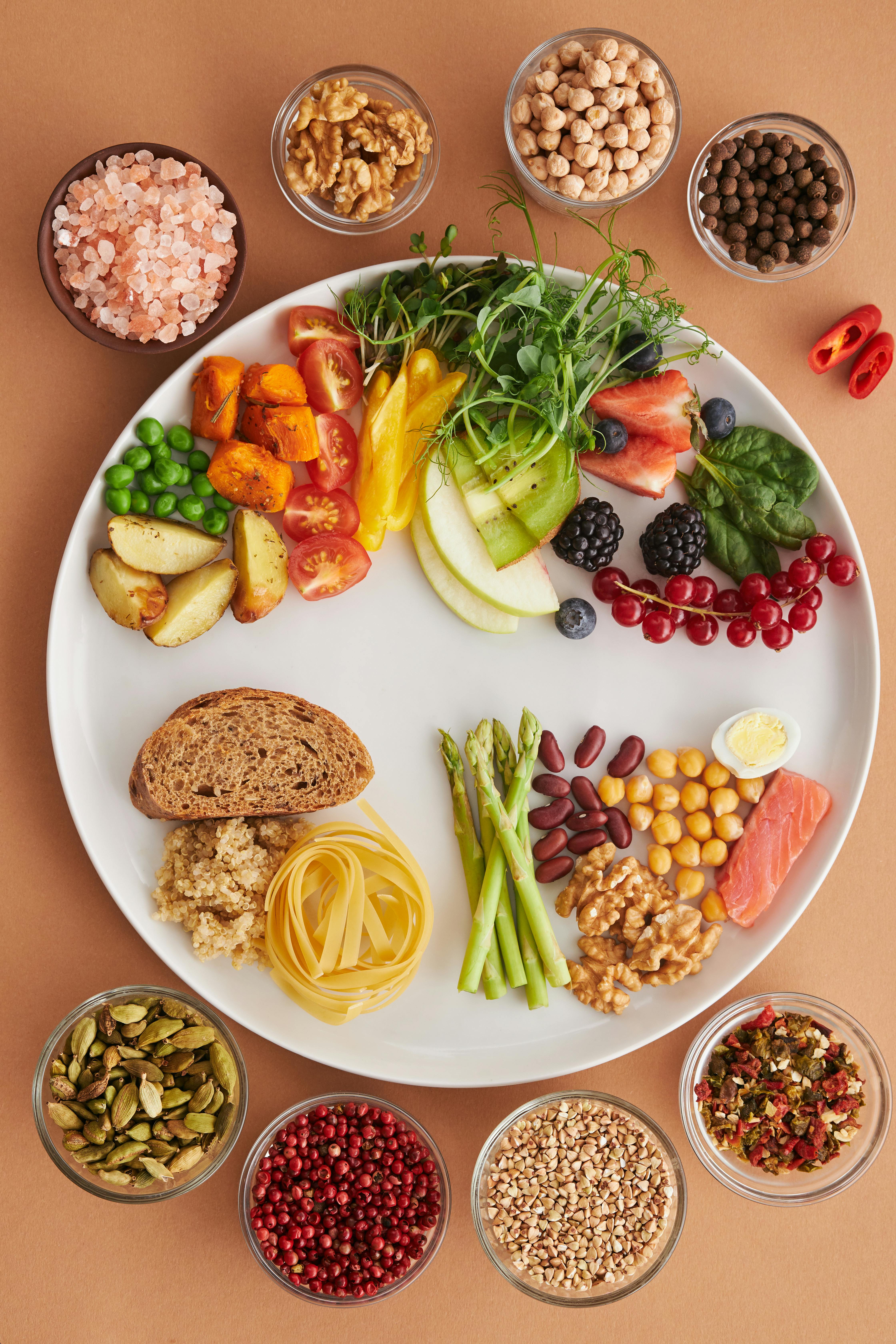
In a world where supplement shelves are overflowing, and multivitamin tablets promise quick fixes, it is easy to believe that a pill can cover all your nutritional needs. But health experts continue to warn that relying solely on supplements may not be as effective as people assume. According to nutritionist Rashi Chowdhary, everyday whole foods can meet most of your micronutrient needs – often more efficiently than pills – because the body absorbs nutrients from natural sources far better. In a recent Instagram video, Rashi Chowdhary explains why depending only on multivitamins may fall short and how thoughtful dietary choices can naturally fulfil daily vitamin and mineral requirements.
Salmon, Brazil Nuts And Tofu
Rashi Chowdhary begins by highlighting the benefits of eating meals high in nutrients. “If you eat 100 grams of salmon, you're going to get 100% of your daily needs for omega-3,” she says. Salmon directly supplies EPA and DHA, unlike plant-based sources such as chia or flax seeds, which are high in ALA, a precursor to omega-3.
“Your body does not use ALA, it uses EPA and DHA… and only 10% of ALA converts," she continues, adding that those who rely only on seeds might not get the results they expect.
She also emphasises the importance of selenium for thyroid function. Just two Brazil nuts a day can cover the entire daily requirement, she asserts. For people who do not consume dairy, 200 grams of organic tofu can provide around 70% of the calcium needed.
Iron, Magnesium And Zinc
According to Rashi Chowdhary, iron is one micronutrient that can be particularly challenging, especially for women. “Sure, 100 grams of light chicken liver gives you 50% of your daily needs, but most women don't like the taste,” she says. She adds that supplements may be necessary in such situations.
Whole foods, however, offer strong support for other minerals. While 200 grams of mutton or beef provide 100% of an individual's zinc needs, two tablespoons of pumpkin seeds supply half of the daily magnesium requirement.
Iodine And Vitamin C
Iodine may be obtained by eating six eggs a day, but Rashi admits that this “is not practical” for most people. Instead, she suggests using a combination of Celtic and iodised salt to ensure adequate intake.
She notes that one guava or four amlas can easily fulfil the daily requirement for vitamin C. However, she points out that the body may need more vitamin C when experiencing high levels of stress or inflammation.
Rashi Chowdhary asserts that whole foods remain the most efficient and bioavailable sources of micronutrients. For long-term health, she urges people to reconsider the habit of “blindly trusting a multivitamin” and instead prioritise fresh, nutrient-dense foods.
Why Multivitamins Seem Necessary: Four Common Mistakes
Taking to the caption, Rashi Chowdhary further explains four common mistakes that make multivitamin pills appear “essential,” even when diets seem balanced at first glance.
One classic example is pairing calcium and iron. “Calcium and iron cancel each other out,” she says. Although paneer paratha with tea is a popular breakfast option, this pairing leads to “zero absorption.”
Incorrect nutrient pairing is another major concern. Iodine depends on selenium, zinc needs protein and iron requires vitamin C for optimal absorption. According to Rashi Chowdhary, “your food doesn't convert” without these combinations.
Disclaimer: This content including advice provides generic information only. It is in no way a substitute for a qualified medical opinion. Always consult a specialist or your doctor for more information. NDTV does not claim responsibility for this information.