

)
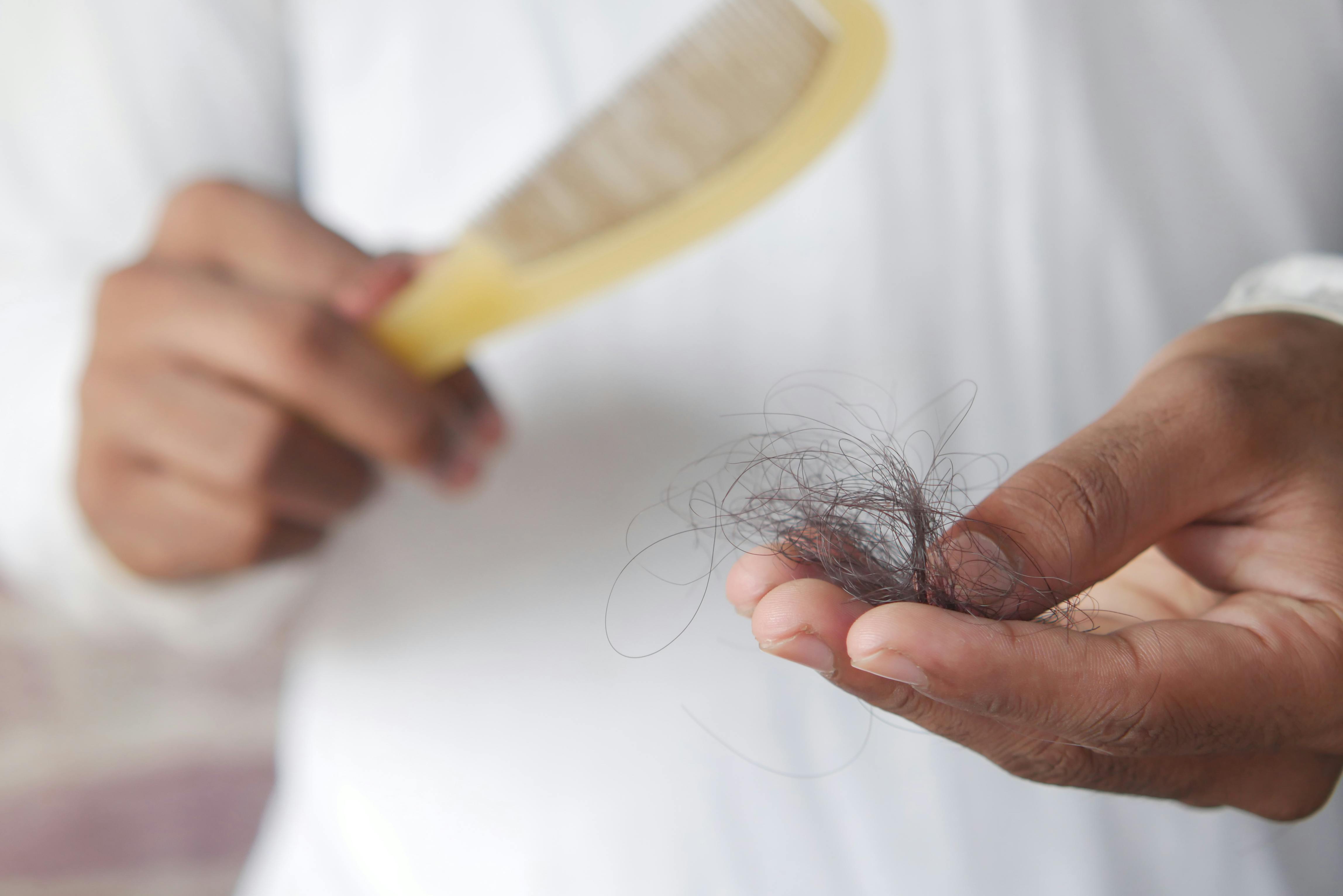
Hair fall has become a major concern for people of all ages due to changing lifestyles, stress and unhealthy eating habits. While many look for quick fixes – shampoos, serums or trendy treatments – experts warn that the real solution often lies deeper within the body. Deficiencies in iron, zinc and vitamin D are among the most overlooked causes of severe hair loss. Taking to Instagram, nutritionist Nmami Agarwal urges people to focus on nutritional deficiencies that may be triggering excessive hair fall rather than relying solely on topical products. “Your hair fall problem won't fix if you don't fix these deficiencies,” she says in a recent video.
Nmami Agarwal explains that hair does not simply “fall” – it often signals internal deficiencies long before the problem becomes visible. “Brittle strands, Itchy, reactive scalp, Sudden shedding. Your nutrients are telling the whole story,” she mentions in the caption.
Zinc: Essential For Keratin Production
According to the nutritionist, one of the most common causes of weak, brittle hair is a zinc deficiency. Keratin, the structural protein that forms the foundation of each hair strand, relies heavily on adequate zinc. Without it, hair loses strength, much like “a building without bricks.”
She recommends incorporating zinc-rich foods such as eggs, hemp seeds and pumpkin seeds to help rebuild hair structure and reduce breakage over time.
Vitamin D: Protects The Scalp From Inflammation
Vitamin D deficiency is another major cause of hair loss. As Nmami Agarwal explains, vitamin D promotes the production of antimicrobial peptides, which help protect the scalp from inflammation and infections. Low vitamin D levels can lead to itching, dandruff, irritation and excessive shedding.
Since vitamin D deficiency is extremely common – particularly among people with limited sun exposure – she advises taking supplements under medical supervision to restore healthy levels.
Iron: Powers Oxygen Delivery To Hair Follicles
Iron deficiency, especially prevalent in women, can directly disrupt hair growth. Iron is essential for the production of haemoglobin, which transports oxygen throughout the body, including to the hair follicles. “Low iron means low oxygen supply,” Nmami says, explaining that poorly oxygenated follicles weaken over time and lead to noticeable hair fall.
To strengthen follicles and support healthy hair growth, the nutritionist suggests consuming iron-rich foods like spinach, garden cress seeds and moringa (drumstick) leaves.
In conclusion, Nmami Agarwal reminds her followers that effective hair care begins from within. “Your hair doesn't just need shampoo—it needs real nutrition,” she says. Addressing these deficiencies early can gradually restore thicker, stronger and healthier hair.
Disclaimer: This content including advice provides generic information only. It is in no way a substitute for a qualified medical opinion. Always consult a specialist or your doctor for more information. NDTV does not claim responsibility for this information.