


-
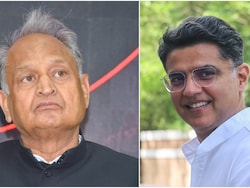
After Ashok Gehlot's Outburst, Sachin Pilot's Message On "Restraint"
Former minister Ramesh Meena also targetted Ashok Gehlot
-
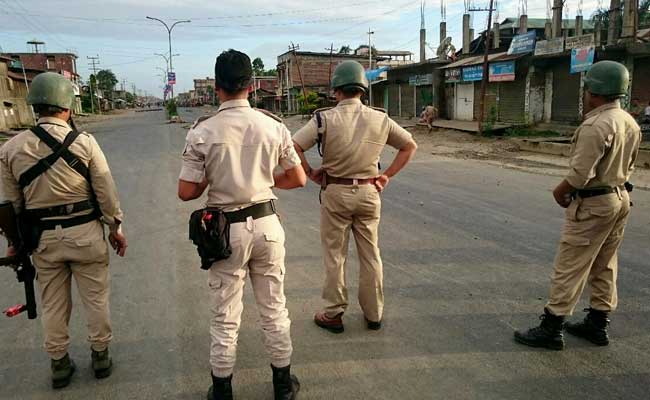
Month After Kidnapping, Bodies Of 6 Naga Hostages Recovered In Manipur
The bodies were found after nearly 24 hours of sustained search operations involving around 450 personnel from the Manipur Police, CRPF and Assam Rifles, assisted by sniffer dogs and forensic teams, the Manipur Police said.
-
Meenakshi Natarajan Row And Congress' Article 324 Demand. What It Is
Congress has strongly contested the rejection, arguing that the alleged omission does not attract disqualification under election laws.
-

State Crackdown Shuts Down Illegal Ghee Manufacturing Hub in Ahmedabad
The enforcement teams targeted Shree Matangi Dairy and Food Products, located in the Kathwada area, completely sealing the factory after uncovering a large-scale illegal operation.
-
'No Merger With Congress': Trinamool Rebel Leader Claims Support Of 64 MLAs
He asserted that these legislators are preparing to formally submit a letter to the Speaker to solidify their position.
-

'Worst Time To Quit, But Entitled To Think For Myself': Sushmita Dev
Mamata Banerjee, Trinamool Crisis - 'Worst Time To Quit, But Entitled To Think For Myself': Sushmita Dev
-

3-Year-Old Swallows 2 Metal Wires Hidden In Birthday Cake Near Mumbai
His family had ordered a bowling-themed cake from a local bakery because relatives could attend more easily on the Sunday.
-
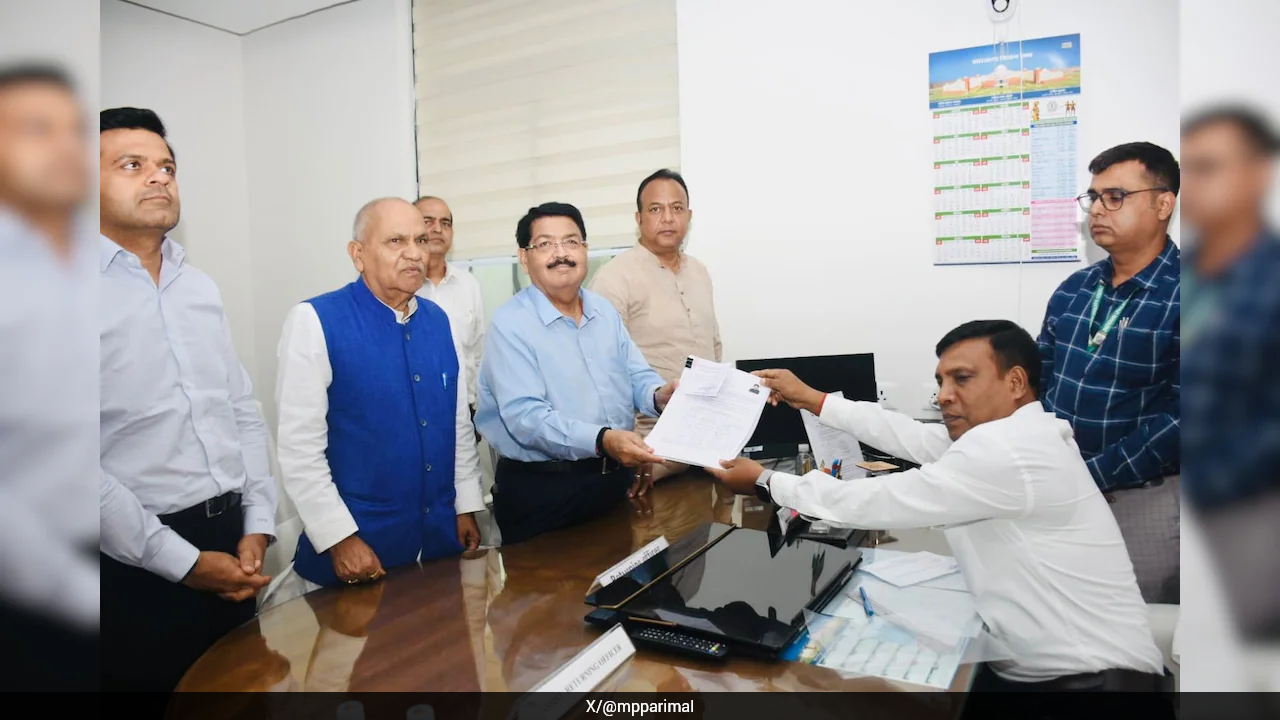
Amid Row, BJP-Backed Candidate's Rajya Sabha Nomination Cleared In Jharkhand
The Congress, a constituent of the state's ruling JMM-led coalition, accused Nathwani of providing false and incomplete information in the affidavit attached to his nomination papers.
-
Analysis | Are Muslims Giving Up On Mamata Banerjee Now? Inside The Silent Revolt
For the first time in the 15-year history of Trinamool Congress rule, several influential Muslim leaders and legislators have either distanced themselves from the party, openly revolted, or aligned themselves with anti-TMC political formations.
-
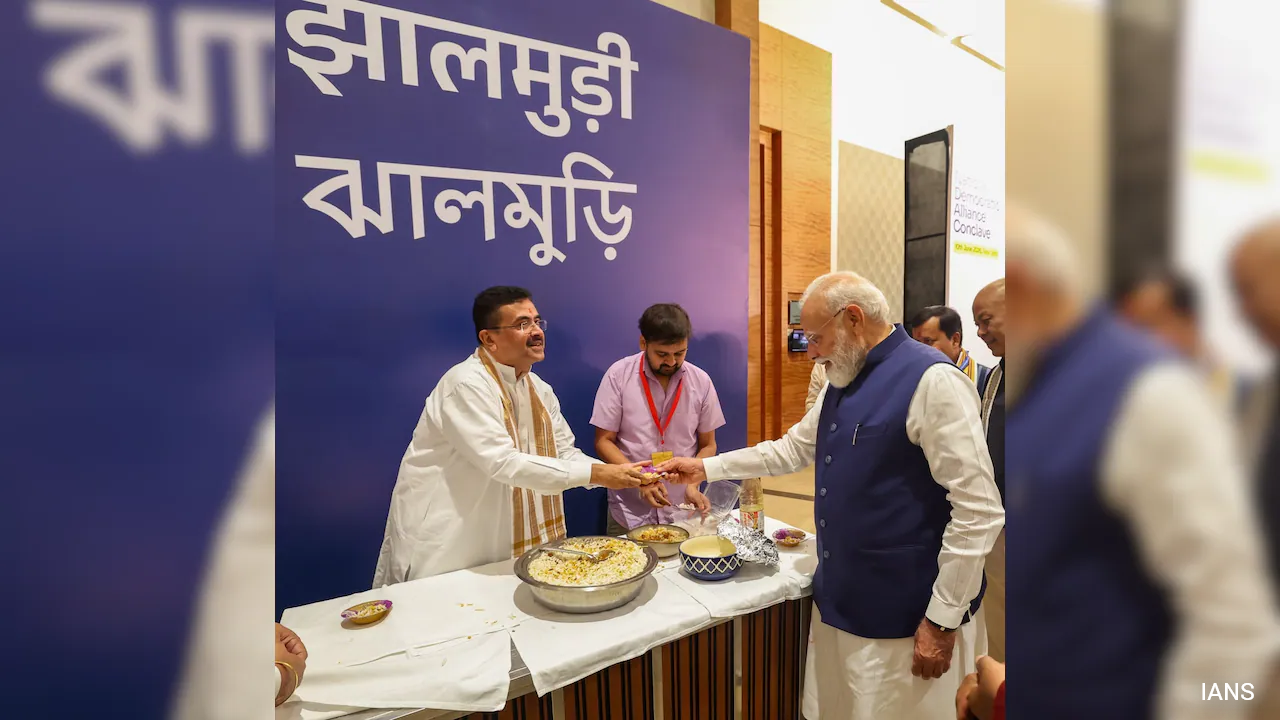
Video: Jhalmuri Moment At NDA Meet As PM Modi Completes 12 Years In Office
New Delhi, June 10 (IANS) West Bengal Chief Minister Suvendu Adhikari on Wednesday served the popular Bengali snack 'jhalmuri' to Prime Minister Narendra Modi during a crucial meeting of the National Democratic Alliance (NDA) in the national capital.
-
Yusuf Pathan, Shatrughan Sinha On List Of 19 Trinamool Rebel MPs: Sources
NDTV has accessed a list of 19 MPs, including Yusuf Pathan and Shatrughan Sinha, who want to part ways with Trinamool Congress.
-
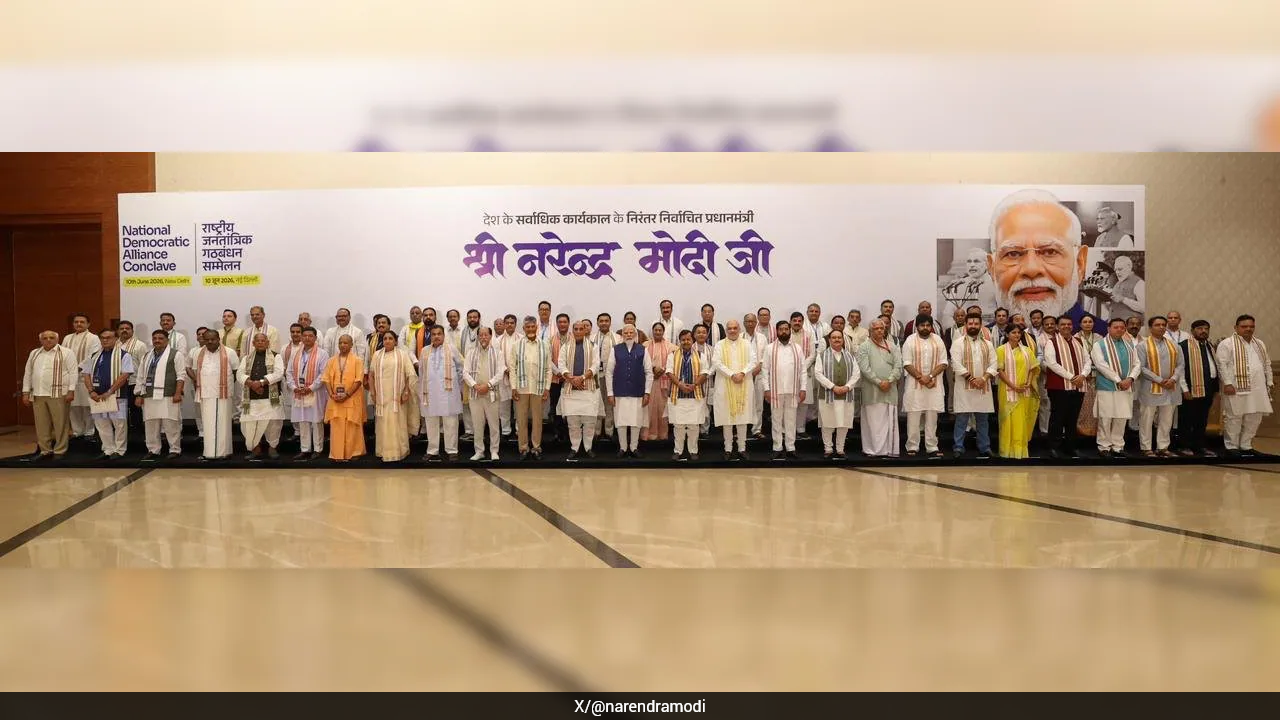
"Unparalleled Dedication": Cabinet Praises PM Modi's Record 12-Year Tenure
The Cabinet backed PM Modi's vision of a "Viksit Bharat" and praised his leadership on national security, inclusive growth and social justice.
-
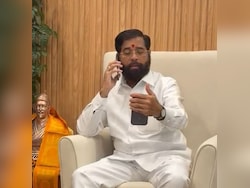
Cab Driver Assaults Elderly Man, E Shinde Orders Attempt To Murder Case
In a viral video, the driver was also seen picking up a stone to hit the elderly man, the release said.
-
4 Jail Employees Arrested For Smuggling Phones, Narcotics In Assam Prison
The arrests follow an extensive probe launched after a surprise search at the district jail on February 2.
-

Trinamool MP To NDTV: List of 20 'Rebel' MPs To Be Given To Speaker Today
The rebel camp has declared Kakoli Ghosh Dastidar as their Chief Whip in the House and Shatabdi Roy as the deputy
-
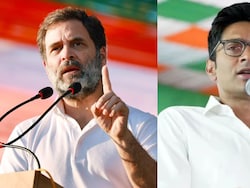
'Offer Has To Come From Trinamool': Congress Sources Amid Merger Buzz
According to sources, the Trinamool conveyed during the meeting that it wants a strong alliance and accepts Rahul Gandhi's leadership in the opposition grouping.
-
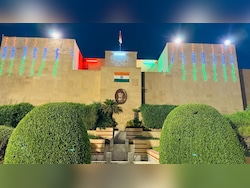
Opinion | Why India Appointed A Non-Muslim Ambassador To Saudi Arabia, For First Time Ever
It breaks the established convention since 1948 of sending a Muslim ambassador to the country.
-
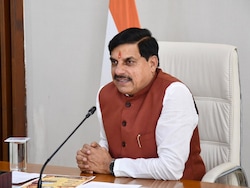
Madhya Pradesh Removes Two-Child Norm For Government Employees
Chief Minister Dr Mohan Yadav has directed the General Administration Department to scrap the proposed draft of the Madhya Pradesh Civil Services Rules that retained the provision barring candidates with more than two living children from government jobs.
-
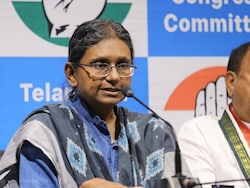
Congress Infighting, BJP Strategy, Meenakshi Natarajan's Nomination Rejection
Meenakshi Natarajan's Rajya Sabha nomination was rejected over an affidavit issue linked to a private complaint filed in Hyderabad.
-
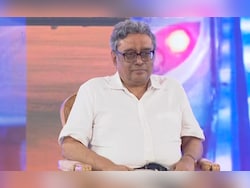
Swapan Dasgupta Gets Finance As Bengal Finalises Portfolios
Suri MLA and former general secretary of the state BJP, Jagannath Chattopadhyay, was assigned the higher education department, while North Bengal leader Dipak Barman has been given the charge of school education.


