


-
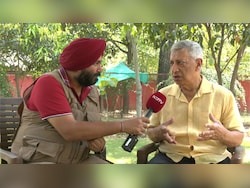
'PoK Is Jallianwala Bagh, Asim Munir Is General Dwyer': Ex J&K Top Cop
Likening the situation in Pakistan-occupied Jammu and Kashmir (PoK) to the Jallianwala Bagh massacre, former Jammu and Kashmir Director General of Police SP Vaid accused Field Marshal General Asim Munir of acting like General Dyer.
-

Opinion | The Chinese Are Using LinkedIn 'Jobs' To Spy On Countries. Is India Prepared?
A recent report throws light on how Chinese operatives frequently disguise themselves as representatives of private consultancies, research institutions, or human resource firms, posting seemingly legitimate job opportunities for foreign policy, defe
-

BJP Leader Criticises Operation Bluestar In Big Shift In Punjab Strategy
For the first time, a senior BJP leader has publicly echoed sentiments traditionally associated with panthic politics.
-
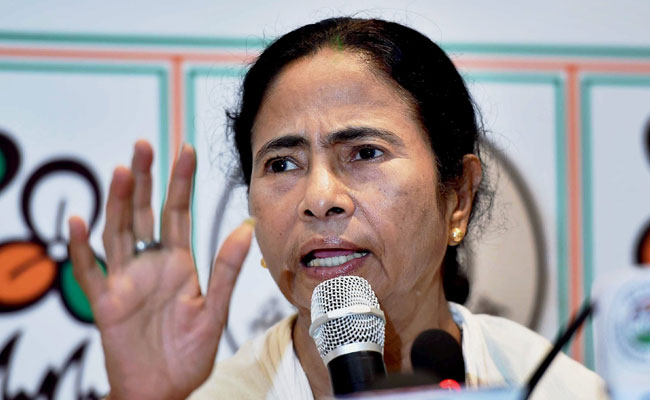
CID At Mamata Banerjee's Home With Search Warrant In Signature Scandal Probe
Trinamool Crisis: CID At Mamata Banerjee's Home With Search Warrant In Signature Scandal Probe
-

India World's 5th Largest Military Spender With $92 Billion War Chest: Report
In its annual assessment report launched on Monday, the Stockholm International Peace Research Institute (SIPRI) also said that India has approximately 190 nuclear warheads as of January 2026, compared to Pakistan's estimated stockpile of 170.
-

Congress MLAs Stranded At Bhopal Airport Over Plane Mix-up
On Tuesday, the MLAs first gathered at Leader of Opposition Umang Singhar's residence and then left for the airport in their own vehicles.
-

India Condemns "Severe Police Brutality" In PoK, Wants Pak To Be Held "Accountable"
"We hope the international community will hold Pakistan accountable for its misdeeds and abuses," the Indian government said.
-

Passports Held, Coerced Into Scams: How "Cyber Slavery" Gang Lured Indians
The CBI has arrested two key accused in connection with a human trafficking network that allegedly lured Indian nationals to cyber scam compounds in Southeast Asia
-
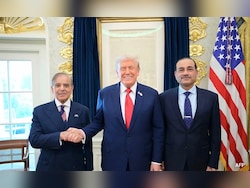
Opinion | Why Trump's Attention Is Quickly Becoming Pak's Biggest Headache
Pakistan's real challenge may not be winning Trump's attention - that it has certainly been successful at. It may be surviving the consequences of that.
-
Sikkim Suicide Rate Falls 15.8% In 2 Years As Focus On Mental Health Expands
Welcoming the decline, Sikkim Health Minister GT Dhungel attributed the improvement to the combined efforts of the Health and Family Welfare Department and mental health professionals.
-
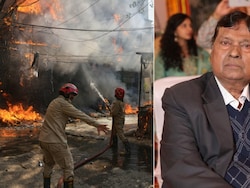
8 Relatives Died In Delhi Fire, Now Patriarch Dies, Family Wiped Out
Radhe Shyam Aggarwal had been inquiring about the absence of his family members at the hospital, left completely unaware of what had happened just a few hundred metres away from the hospital.
-

After Mumbai Concert Death, Spotlight On Drugs, Safety Lapses
What may appear to be an immersive music experience or an all-night party can conceal serious risks, from substance abuse to life-threatening negligence.
-
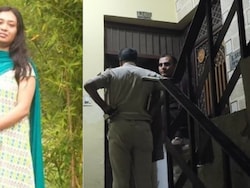
Delhi Professor Offered Her Tenants Water, Then A Murderous Plot Played Out
The accused struck the teacher on her head with the pestle that he had in his backpack and then slit her wrists with a razor.
-
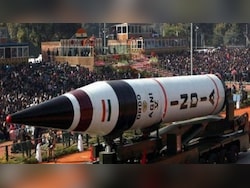
In A First, India Deploys 12 Nuclear Warheads In Big Policy Shift: Report
The SIPRI report claims this is the first time India's nuclear arsenal has been classified as operationally deployed, rather than stockpiled.
-
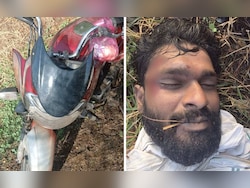
Man Strangles Lover's Husband, Leaves Body Under Bike, Tells Her 'Program Ok'
The victim, Kiran, allegedly used to harass his wife and that is said to have been a contributing factor in the murder plan.
-
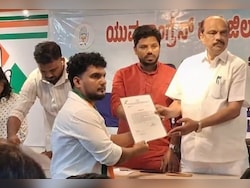
Karnataka Youth Congress Leader Arrested In Rs 2.77 Crore Extortion Case
According to police, the accused have been identified as Nizam, said to be the General Secretary of Mangaluru Youth Congress, and Jitesh
-
Why A US Trade Law Is Holding Up Deal With India
The first phase of the bilateral trade agreement between India and the US can be finalised after the conclusion of two unilateral Section 301 investigations.
-
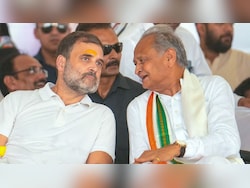
Opinion | Ignored By Rahul, Haunted By Pilot: Inside Ashok Gehlot's Grand Meltdown
Going by Gehlot's outburst, it remains unclear who he is accusing of 'conspiring'. But the 75-year-old seems to be getting uneasy about his growing irrelevance in the party.
-

Adani Energy Signs Pact To Buy Smart Meter Firm IntelliSmart For Rs 3,050 Crore
AESL said the transaction includes the acquisition of the entire equity share capital of IntelliSmart as well as the redemption of optionally convertible debentures held by NIIF.
-
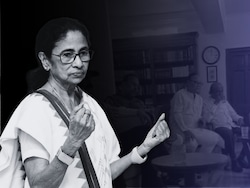
"BJP Won't Take Them, Not Enough Numbers": Team Mamata Banerjee On Rebels
Senior MP Kalyan Banerjee today called this an "act of betrayal" but gave out a message of relief that the rebels had now revealed their loyalties.


