

)
Weight loss is one of the major goals for a majority of people. However, weight loss is never an easy task as it is dependent on several factors like diet, sleep, and physical activity, among others. Among all of these, your diet plays a major role. It is very important that your body has some calorie deficit which means you have to burn more calories than you're consuming. Following a diet is one of the ways to keep a check on your calorie consumption.
People who follow a very strict diet, try to eat "healthy" foods. However, not all food that is sold as "healthy" is actually so. They might have ingredients which contribute to weight gain rather than weight loss. These foods may have hidden calories, sugars, and additives that trigger overeating or fail to satisfy your hunger. Here are some healthy foods that are making your weight loss harder.
1. Protein Bars
Protein bars are a convenient snack but they have 200-400 calories per bar, which is as much as a full meal. Manufacturers load them with refined carbs, sugars, and artificial sweeteners to improve taste and texture. This leads to blood sugar spikes followed by crashes that cause cravings just hours later. These bars also have processed ingredients like maltitol or inulin, which cause digestive discomfort such as bloating or gas, making it harder to stick to a consistent calorie deficit.
2. Flavoured Yoghurt
Flavoured yoghurt, especially low-fat or "light" varieties, lure consumers with low calorie claims. However, a single cup has 15-25 grams of added sugars, which is more than a chocolate bar. These sugars increase insulin levels, leading to fat storage and hunger pangs soon after eating. Without the fats found in plain, full-fat Greek yoghurt, flavoured options lack satiety, which causes frequent snacking that impacts daily calorie goals.
3. Trail Mix
Trail mix combines nuts, seeds, and dried fruits for a nutrient-dense profile. However, its high calorie density makes portion control challenging. Salty nuts along with sweet, coated dried fruits make for an addictive mix that leads to mindless munching. The high fat content from nuts slows digestion but doesn't curb appetite when combined with carbs from fruits or chocolate add-ons. This leads to energy dips and compensatory eating.
4. Granola
Granola appears to be wholesome with oats, nuts, and seeds. However, commercial versions can have 200-300 calories in a quarter-cup due to coatings of honey, oils, and brown sugar. These ingredients turn into deceptive clusters that crumble easily, encouraging larger scoops than needed. The fibre content promises fullness, yet the sugar overload spikes glucose, leading to insulin resistance and mid-morning crashes that cause carb cravings. Homemade granola allows control over sweeteners, but store-bought traps dieters.
5. Smoothies
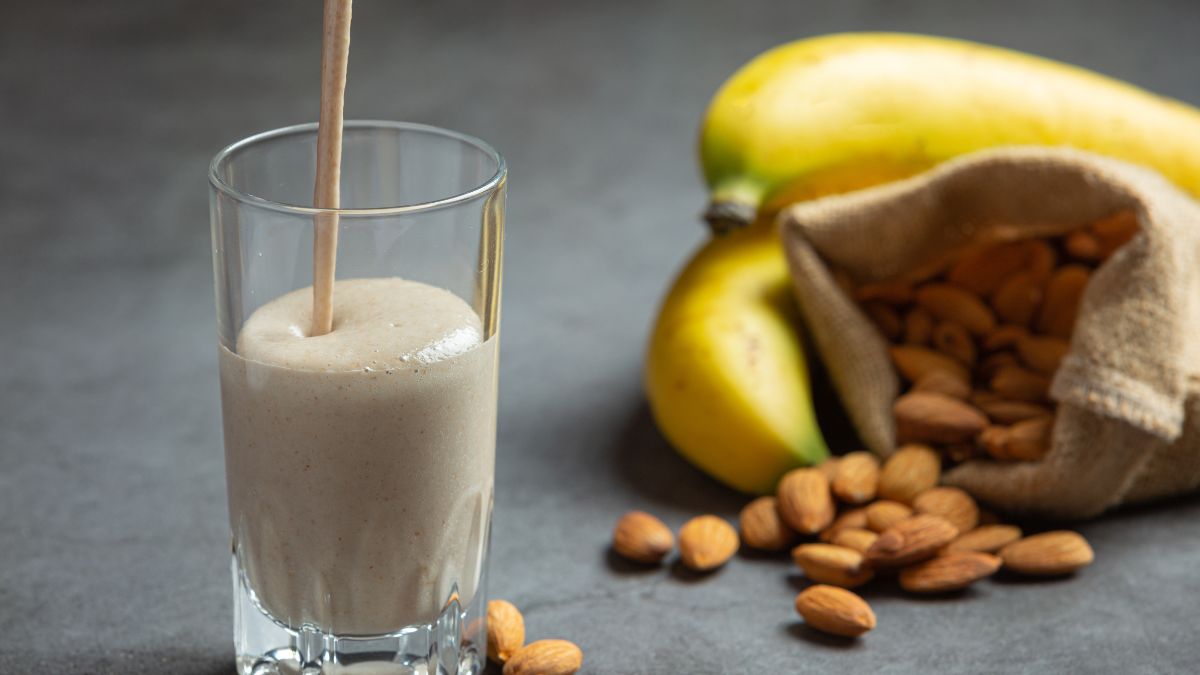
Smoothies blend fruits, veggies, and proteins into refreshing drinks. However, they often exceed 400-600 calories when loaded with banana, juice, nut butters, and sweetened yoghurt. Liquid calories bypass fullness signals in the stomach, allowing rapid intake without the chewing that signals satiety to the brain. High fruit sugar content ferments into fructose, affecting the liver and causing fat accumulation.
6. Dried Fruits
Dried fruits have concentrated natural sugars and fibre. Hence, a quarter-cup of raisins equals two cups of grapes in calories. Their chewy texture and shrunken size fool the eye, leading to handfuls that pile on carbs without the water volume of fresh produce for hydration and bulk. This spikes blood sugar rapidly, especially without fats or proteins pairing, resulting in hunger.
7. Fat-Free Desserts
Fat-free brownies, ice creams, and frozen yoghurts tend to have high amounts of sugar or thickeners like maltodextrin. This pushes calories upwards while tasting artificially sweet. Without fats to slow absorption, sugars flood the bloodstream, crashing energy and amplifying sweet tooth urges later. These treats disrupt gut hormones like leptin, which regulate fullness. It can also prompt you to eat larger portions.
Disclaimer: This content including advice provides generic information only. It is in no way a substitute for a qualified medical opinion. Always consult a specialist or your own doctor for more information. NDTV does not claim responsibility for this information.