

)
Weight loss is a common goal for many. However, most individuals stick to strict diets and heavy workouts for rapid results. On the other hand, for sustainable results, it is essential to follow a diet and exercise regimen that you can follow in the long run. While these might not contribute to sudden weight loss, they can help you sustainably support weight management. Adding more fibre to your daily diet is one of these effective tips that aid in weight loss through several key biological and physical mechanisms. In an Instagram post, Dr. Saurabh Sethi, a gastroenterologist trained at AIIMS, Harvard, and Stanford Universities, revealed that fibre helped him lose 30 pounds (13.6 kg) without extreme dieting.
"As a gateroterologist, I realised something surprising, I wasn't overeating because of hunger. I was eating foods that didn't keep me full. Increasing fibre changed that," he wrote.
How fibre helps with weight loss
Fibre is a powerful, natural tool for weight loss because it helps you stay full longer, regulates your blood sugar, and supports a healthy metabolism. Unlike other carbohydrates, your body doesn't digest fibre, allowing it to add bulk to your meals without adding significant calories.
1. Promotes satiety
Soluble fibre absorbs water to form a gel-like substance in your gut. This slows down the rate at which your stomach empties, signalling your brain that you are full and preventing overeating.
"Fibre slows digestion and gastric emptying. This helps increase fullness hormone, reduce rapid hunger swings and stabilise energy levels, allowing you to eat less naturally without forcing restriction," mentioned Dr. Sethi.
2. Stabilises blood sugar
By slowing the absorption of sugar into your bloodstream, fibre prevents the rapid insulin spikes and crashes that often trigger intense sugar cravings.
3. Reduces calorie density
High-fibre foods like vegetables and legumes are high in volume but low in calories. This allows you to eat larger, more satisfying portions while maintaining a calorie deficit. On the other hand, "ultra processed foods are calorie-dense, fibre poor and are absorbed quickly. As a result, you feel hungry again sooner even after enough calories," said Dr Sethi.
4. Improves gut health
Certain fibres act as prebiotics, feeding good gut bacteria. These bacteria produce short-chain fatty acids (SCFAs) that can improve fat metabolism and reduce chronic inflammation. These compounds help support metabolic health, insulin sensitivity and appetite regulation.
5. Hormonal regulation
"High-fibre meals stimulate satiety signals like GLP-1and PYY. This results in longer fullness, fewer cravings and better portion control. This is physiology, not willpower," he explained. These natural gut hormones act as appetite suppressants.
How to boost fibre intake for weight loss
Dr. Sethi revealed that instead of eating less, he added:
- Seeds daily
- Legumes regularly
- Berries most days
- Vegetables at 2 meals
"Weight loss became sustainable, not restrictive."
He also mentioned that the daily recommended dosage:
Aim for
- Women: 25 g/day
- Men: 30-38 g/day
- Increase gradually: Add 5g per week with proper hydration and walk after meals.
Tips to smartly boost fibre intake:
- Adding too much fibre too quickly can cause gas, bloating, and cramps. Aim to add about 5 grams per week until you reach the recommended daily target of 25-38 grams.
- Fibre acts like a sponge and needs water to move smoothly through your digestive tract. Drinking enough water can help prevent constipation.
- Whenever possible, eat fruits like apples and pears and vegetables with their peels on, as this is where much of the fibre is located.
- Choose whole fruits over juice as juicing removes fibre, leaving behind mostly liquid sugar.
- Replace white bread, white rice, and sugary cereals with whole-grain alternatives like oats, quinoa, brown rice, or buckwheat.
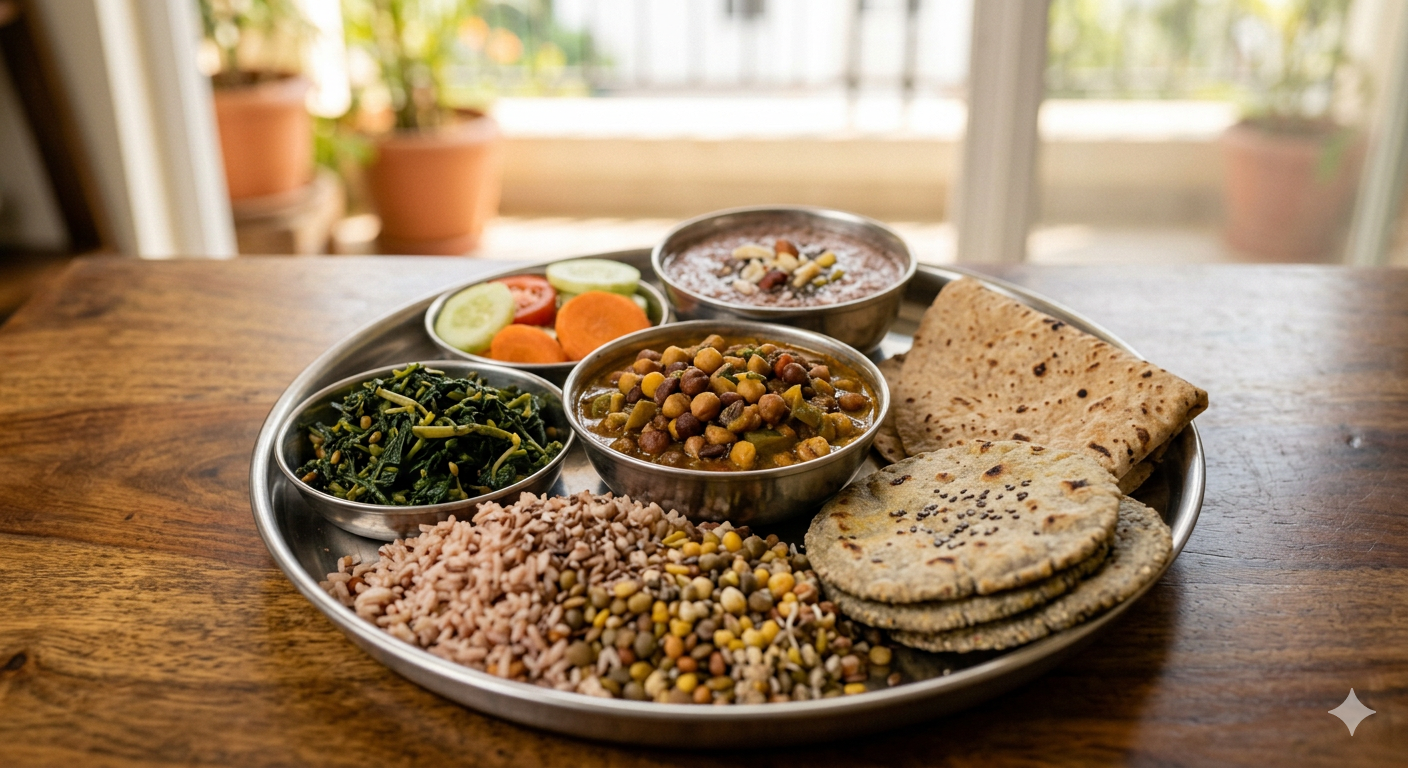
- Stir beans, lentils, or chickpeas into soups, salads, and stews to significantly increase fibre and protein content, both of which help control hunger.
- Swap processed snacks for fibre-rich options like a handful of nuts, raw vegetable sticks with hummus, or air-popped popcorn.
"Higher fibre intake is consistently linked with lower body weight, improved metabolic markers and better long-term weight maintenance. Fibre works quietly but consistently," Dr. Sethi concluded.
Disclaimer: This content including advice provides generic information only. It is in no way a substitute for a qualified medical opinion. Always consult a specialist or your own doctor for more information. NDTV does not claim responsibility for this information.