

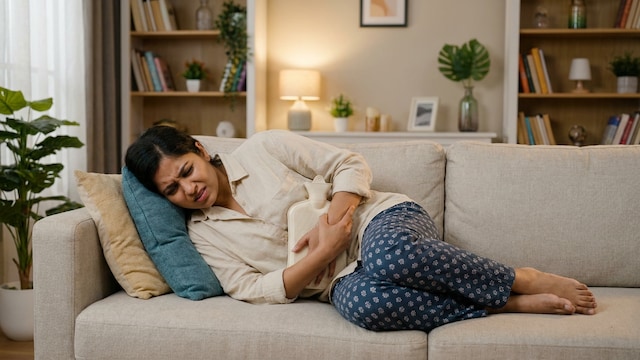
Periods can look quite different at different stages of a woman's reproductive life. During the teenage years, irregular cycles are common because the hormonal system that controls menstruation is still developing. By the early 20s, periods usually become more predictable as ovulation and hormone patterns settle. By the late 20s, many women have a more established menstrual pattern. However, changes in stress, sleep, weight, diet and overall health can still affect the cycle.
This does not mean that every woman will have the same experience in her late 20s. Some may notice more cramps, bloating, headaches, breast tenderness or mood changes even if their periods were relatively symptom-free in the early years. Others may continue to have mild or painless periods. Doctors say new or worsening symptoms should not automatically be dismissed as a normal part of getting older, as they can sometimes point towards more serious conditions that need medical evaluation.
Why Periods Become More Predictable With Age
During the teenage years, the communication between the brain, pituitary gland and ovaries, known as the hypothalamic-pituitary-ovarian axis, is still maturing. This hormonal system controls ovulation and the menstrual cycle. Because it takes time to become fully established, teenagers can have cycles that are irregular, very frequent or delayed. Dr Geeth Monnappa, Lead Consultant - Obstetrics & Gynaecology, Manipal Hospital Millers Road, said, "During the teenage years, girls often tend to experience irregular periods ranging from periods that occur very frequently, such as once every 15 to 20 days or once every 10 days, to periods that are extremely prolonged or delayed, occurring once in two to three months."
As women move into their early 20s, this hormonal axis generally becomes more mature. Ovulation becomes more regular and periods tend to settle into a more predictable pattern. By the late 20s, most women have relatively stable cycles.
Dr B Menaka, Senior Consultant Obstetrics Gynecologist, M'Brace - Kamineni Hospitals, explained that hormonal regulation usually becomes more established by the early 20s, with relatively consistent levels of oestrogen and progesterone during the cycle. She said, "By the late 20s, most women experience a fairly stable menstrual pattern. The reproductive hormones continue to fluctuate naturally during each cycle, but their coordination is usually more consistent."
Your Periods May Still Change In Your Late 20s
Having a more regular cycle does not mean periods will remain exactly the same throughout the late 20s. Hormonal fluctuations naturally occur during every menstrual cycle, and some women may notice changes in how they feel before or during their periods. A woman who had almost no symptoms as a teenager may begin experiencing cramps, bloating, headaches, breast tenderness or mood changes in her mid or late 20s. This can happen because menstrual symptoms are influenced by changing levels of oestrogen and progesterone, as well as prostaglandins.
Prostaglandins are hormone-like substances released by the lining of the uterus. Higher levels can cause stronger contractions of the uterus, which may result in more noticeable menstrual cramps. "Women who have experienced relatively painless and symptom-free periods during their teenage years and early 20s can begin developing menstrual symptoms for the first time in their mid or late 20s," said Dr Menaka.
However, new symptoms should not always be assumed to be caused by hormones. Dr Monnappa said that if a woman who has previously had symptom-free periods suddenly develops heavy bleeding, breast tenderness or severe period pain, it could be hormonal but could also be linked to an underlying condition.
"It's very important that if a woman who hasn't experienced these symptoms starts experiencing these symptoms as she ages, she meets with her gynaecologist and gets evaluated," she said.
Cramps Can Appear Even If You Never Had Them Before
Period pain can vary over time. Mild cramps are common and are often caused by uterine contractions during menstruation. But severe or progressively worsening pain is different.
If a woman has significant pain for the first time in her late 20s, doctors may look for conditions such as endometriosis, adenomyosis, fibroids or ovarian cysts. These conditions can cause pain, heavy bleeding or other changes in the menstrual cycle. Dr Monnappa specifically highlighted fibroids, ovarian cysts and endometriosis as possible causes when new symptoms such as severe pain or heavy bleeding appear.
This is why a woman should not simply assume that painful periods are something she has to accept because she is getting older. A change from her usual menstrual pattern is useful information for a gynaecologist.
PMS And Mood Changes Can Become More Noticeable
Menstrual changes are not limited to bleeding and cramps. Hormonal fluctuations can also affect mood, sleep, energy and emotional well-being. Oestrogen influences brain chemicals such as serotonin, which is involved in mood regulation. Progesterone and its metabolites can also influence the nervous system and sleep. Changes in these hormones, particularly in the days before menstruation, may cause irritability, mood swings, anxiety, fatigue, difficulty concentrating and disturbed sleep.
Some women may also experience food cravings, low motivation or feelings of sadness before their periods. These symptoms can occur as part of premenstrual syndrome, or PMS.
Age itself does not necessarily make a woman more sensitive to these hormonal changes. However, women in their late 20s may become more aware of recurring symptoms, particularly if work pressure, poor sleep or other lifestyle changes are occurring at the same time. When emotional symptoms are severe, repeatedly interfere with work or relationships, or become difficult to manage, they should not simply be dismissed as PMS. In some women, severe premenstrual emotional symptoms may be associated with Premenstrual Dysphoric Disorder, or PMDD, which requires medical assessment.
Stress And Lifestyle Can Affect Your Cycle
The late 20s can bring changes in work, relationships, responsibilities, sleep patterns and daily routines. These changes can have an impact on menstrual health. "Lifestyle, lack of exercise, unhealthy eating habits, erratic work timings, erratic meal timings, smoking, excessive alcohol, and chronic stress can alter the female hormones and cause irregular periods," said Dr Monnappa.
Chronic stress can also affect the communication between the brain and ovaries and, in some women, may delay ovulation or contribute to irregular periods. Poor sleep can also interfere with the body's normal hormonal rhythms.
Weight changes can also have an impact. Sudden weight gain or weight loss may affect oestrogen levels and menstrual regularity. Similarly, excessive exercise combined with inadequate nutrition can disturb periods. Dr Menaka said that regular physical activity, adequate sleep, a balanced diet and effective stress management can support healthy menstrual cycles.
The key difference is that women in their late 20s may face a different set of lifestyle pressures compared with their teenage years. A busy work schedule, irregular meals and insufficient sleep can become more common, making it important to maintain consistent healthy habits.
What Is A Normal Cycle In Your Late 20s?
Although there is some individual variation, a typical menstrual cycle in adulthood generally occurs every 21 to 35 days and lasts around two to seven days. Dr Monnappa explained that as the hypothalamic-pituitary-ovarian axis matures, cycles generally become more regular, occurring every 21 to 35 days and lasting between two and seven days, with minimal or no pain.
Minor variations from one cycle to another can happen and do not necessarily indicate a problem. However, a persistent change from a woman's usual pattern needs attention. A period that consistently occurs more frequently than every 21 days or is delayed beyond 35 days should be checked. The same applies to periods that regularly last longer than seven days or become significantly heavier.
When Should You See A Gynaecologist?
Late 20s is not considered old, and significant menstrual changes should not simply be attributed to age. Dr Monnappa said women should seek evaluation if they experience bleeding that lasts for more than seven days, unusually heavy bleeding with multiple clots or a need to change pads or menstrual cups more often than before.
Bleeding between periods or after sexual intercourse also requires medical assessment. Periods that repeatedly happen every 15 or 20 days, or cycles that are consistently longer than 35 days, should also be discussed with a gynaecologist.
Severe period pain that requires painkillers or causes a woman to miss work is another warning sign. The same applies to new or progressively worsening breast tenderness, heavy bleeding or other symptoms that were not present earlier in life.
"Any woman in her late 20s requires an evaluation by a gynaecologist if she experiences" unusually heavy or prolonged bleeding, severe pain, bleeding between periods, bleeding after intercourse or consistently irregular cycles, said Dr Monnappa.
Dr Menaka also stressed that persistent irregularity, unusually heavy bleeding or significant pain should be evaluated because they can sometimes be linked to PCOS, thyroid disorders, endometriosis, adenomyosis, fibroids or other reproductive health conditions.
The biggest difference between the teenage years and the late 20s is that menstrual cycles generally become more established and predictable as the hormonal system matures. However, this does not mean every woman will have identical periods throughout her 20s.
New cramps, bloating, headaches, breast tenderness, mood changes or changes in bleeding can occur, and lifestyle factors can influence how strongly these symptoms are experienced. But sudden, severe or persistent changes should not be ignored. Tracking cycle length, bleeding, pain and premenstrual symptoms can help women identify changes from their usual pattern.
Disclaimer: This content including advice provides generic information only. It is in no way a substitute for a qualified medical opinion. Always consult a specialist or your own doctor for more information. NDTV does not claim responsibility for this information.