

)
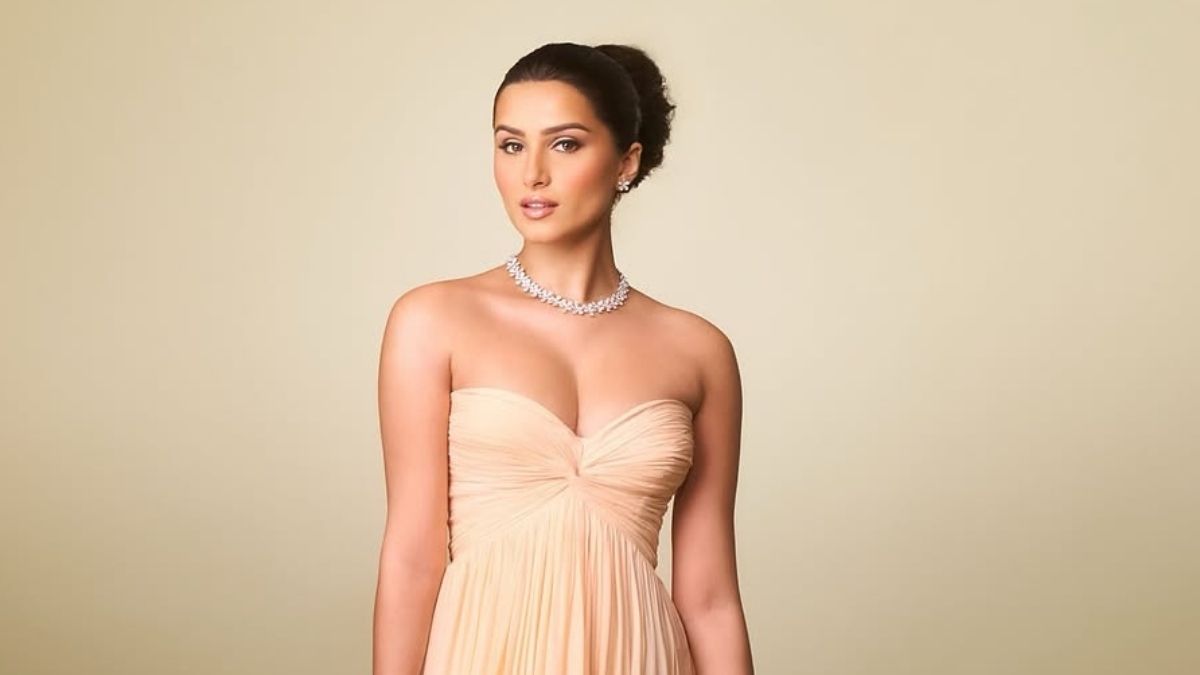
For many girls, getting their first period can bring a mix of excitement, confusion and anxiety. While menarche the medical term for a girl's first menstrual period is an important milestone of puberty, it does not mean that the body has suddenly reached complete physical or hormonal maturity. In an interaction with Hauterrfly, Actress Tara Sutaria spoke about getting her first period at 14, bringing attention to a phase that every girl experiences differently. But what exactly happens inside the body after menarche? And should parents be concerned if periods are irregular in the first few years?
What Is Menarche?
Menarche refers to the first menstrual period and is an important sign that puberty is progressing. It generally indicates that the reproductive system is becoming mature under the influence of changing hormones. However, the first period is not the end of puberty. The hormonal system continues to develop and settle over the next few years. As a result, menstrual cycles may not immediately follow a predictable pattern. According to health experts, this means girls may notice changes in the timing, duration and intensity of their periods, particularly during the initial years after menarche.
Why Can Periods Be Irregular After The First Period?
After menarche, the hormonal system that controls ovulation and menstruation is still maturing. Because ovulation may not occur regularly during the early years, menstrual cycles can vary. Periods may sometimes arrive earlier or later than expected. The amount of bleeding can also change, with some periods being lighter and others heavier. The length of the menstrual cycle may also fluctuate. This variation is often a normal part of puberty, particularly during the first couple of years after menarche. Therefore, an irregular period shortly after the first menstrual cycle does not automatically mean that something is wrong. However, persistent or extreme changes should not be ignored.
What Changes Can Girls Experience Around Their Periods?
The hormonal changes associated with menstruation can cause several physical and emotional symptoms. Some girls may experience symptoms before or during their periods, while others may have very few complaints. Common symptoms can include:
- Abdominal cramps
- Backache
- Breast tenderness
- Headaches
- Mood swings
- Tiredness
- Acne
These symptoms can be particularly confusing for girls who are experiencing them for the first time. Parents can help by explaining that some discomfort and emotional changes can occur as the body adjusts to puberty. However, menstrual symptoms should not be so severe that they consistently interfere with everyday life.
When Should Parents Seek Medical Help?
While some variation in periods is expected after menarche, there are certain signs that warrant medical attention. Parents should consider consulting a doctor if menstrual bleeding is extremely heavy, period pain is unbearable or cycles continue to be significantly irregular. Medical advice is also important when symptoms interfere with a girl's ability to attend school, participate in activities or carry out her daily routine. It is important not to normalise severe menstrual pain simply because periods are a natural part of growing up. Persistent or debilitating symptoms deserve proper evaluation.
How Can Parents Help Girls During Menarche?
For parents, one of the most important things is creating an environment where menstruation can be discussed openly and without embarrassment. Instead of treating periods as something shameful or secretive, parents can explain what menstruation is, why it happens and what changes a girl may experience. This can make the first few periods less frightening and help children understand their bodies better. Practical preparation can also make a difference. Girls should know how to use and change menstrual products, maintain menstrual hygiene and recognise when bleeding or pain may be outside what is expected.
Diet, Sleep And Exercise Also Matter
Puberty is a period of significant physical and hormonal change, making overall health particularly important. A balanced diet can support growth and development, while sufficient sleep helps the body cope with the demands of puberty. Regular physical activity can also contribute to overall wellbeing. Good menstrual hygiene is equally important. Girls should be encouraged to change menstrual products regularly and maintain proper hygiene during their periods.
Every Girl Has Her Own Timeline
One of the most important things to remember is that puberty does not follow exactly the same schedule for everyone. The age at which a girl gets her first period can vary, and differences in the timing of menarche do not necessarily indicate a problem. Genetics, nutrition, overall health and other factors can influence when puberty begins. Most importantly, getting the first period does not mean that the body has suddenly become completely physically or hormonally mature. Puberty continues, and the menstrual cycle may take time to become more predictable. For girls and parents alike, understanding these changes can make the transition easier. Open conversations, good nutrition, adequate sleep, regular exercise and proper menstrual hygiene can help girls navigate this important stage of growing up with greater confidence.
Disclaimer: This content including advice provides generic information only. It is in no way a substitute for a qualified medical opinion. Always consult a specialist or your own doctor for more information. NDTV does not claim responsibility for this information.