

)
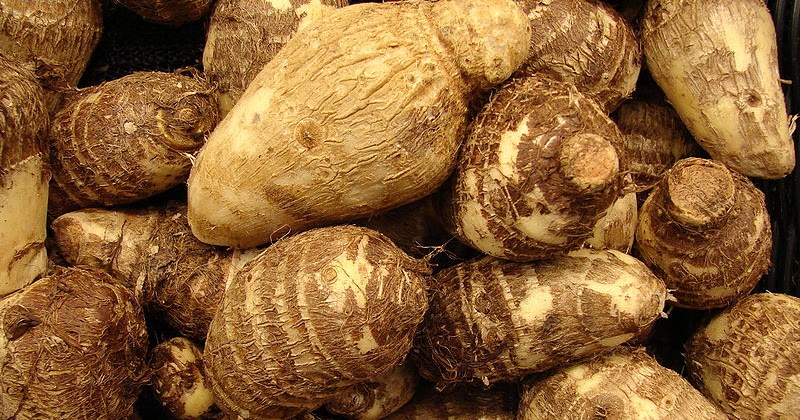
Arbi, or Colocasia esculenta, as it is known botanically, is considered a superfood for your gut as it contains beneficial properties. Research published in the Journal of Experimental Pharmacology details that arbi, while considered heavy to digest, is actually nourishing for your gut. The gut microbiome needs a steady consumption of nutritious foods, such as arbi, to make sure the gut microbiota remains balanced. People tend to blame bloating or digestive discomfort on arbi consumption, but the science says otherwise.
The presence of gut-friendly resistant starch escapes digestion in the small intestine. When the starch reaches the colon and acts as fuel for beneficial gut bacteria. The main reason behind the correlation of digestive discomfort and arbi consumption is actually tied to improper cooking.
The maintenance of gut health is important, as it plays an active role in digestion and nutrient absorption, immunity, metabolism, and inflammation, and even mood and mental health. Arbi is one such food that supports gut microbiome diversity, which is key to long-term health.
How Arbi Supports The Gut Microbiome
NDTV spoke to Dr Abhishek Deepak, Senior Consultant of Gastroenterology, Fortis Greater Noida, who explains, "Arbi, known botanically as Colocasia esculenta, is an overlooked prebiotic staple that delivers several targeted benefits to the intestinal ecosystem." Here is the evidence-based breakdown:
1. High Content of Resistant Starch Types 2 and 3
Dr Abhishek Deepak pinpoints, "A 100g serving of cooked taro supplies roughly 4-5g of resistant starch, predominantly RS2." Here is exactly how it helps the gut:
- This fraction bypasses small-intestinal digestion and arrives unchanged in the colon.
- Once there, beneficial taxa including Bifidobacterium, Lactobacillus, Faecalibacterium prausnitzii, and Roseburia ferment it into Short Chain Fatty Acids - SCFAs: butyrate, acetate, and propionate.
- Butyrate serves as the main energy source for colonocytes. It enhances the expression of tight junction proteins such as occludin, claudin-1, and ZO-1, thereby reinforcing intestinal barrier integrity.
- This action helps reduce intestinal permeability and metabolic endotoxaemia. Propionate contributes to hepatic insulin sensitivity by modulating gluconeogenesis, which is why taro is valuable for individuals with MASLD (non-alcoholic fatty liver disease) or type-2 diabetes.
Also Read: Gastroenterologist Explains Why You Should Start Your Day With Banana
2. Distinctive Soluble Fibre
Dr Abhishek Deepak highlights, "The slippery quality of arbi reflects its mucilage polysaccharides and arabinogalactan. This viscous soluble fibre slows gastric emptying, promotes satiety, and preferentially nourishes Akkermansia muciniphila.
- Akkermansia thickens the protective mucus layer lining the gut.
- Depleted Akkermansia levels are associated with obesity, inflammation, and insulin resistance.
- Multiple studies published in the Journal of Functional Foods report that taro intake significantly elevates Akkermansia abundance.
3. Prebiotic Polyphenols
Dr Abhishek Deepak highlights, "Pigmented arbi varieties contain anthocyanins, quercetin, and chlorogenic acid.
These polyphenols are minimally absorbed in the upper gastrointestinal tract. In the colon, organisms like Gordonibacter transform them into urolithin-A and related bioactive metabolites.
Urolithin-A supports mitophagy and lowers systemic inflammation, positively influencing the gut-immune axis."
4. Low-FODMAP Profile With Diversity Benefits
He adds, "Unlike high-FODMAP prebiotics such as onion and garlic, arbi is low-FODMAP. This makes it suitable for people managing IBS or SIBO."
Dr Abhishek Deepak pinpoints, "It also delivers 3 g/100 g of insoluble fibre to add stool bulk. The combination of soluble and insoluble fibre promotes microbial alpha-diversity."
He also says, "Greater diversity correlates with reduced dysbiosis and lower risk of metabolic and mood disorders."
5. Micronutrients That Support Barrier Health
Dr Abhishek Deepak says, "Arbi provides potassium, magnesium, and zinc. Zinc acts as a cofactor for enzymes involved in gut barrier repair, while potassium facilitates SCFA transport across colonic cells."
Who Benefits Most From Eating Arbi?
Arbi can be especially useful for people who have pre-existing medical conditions that are related to their gut, and also those with the following:
- Weak digestion, as the starch in it can benefit the way your stomach digests the root vegetable.
- Those hoping to improve the gut microbiome diversity should consume arbi as part of their summer diet.
- Individuals reducing ultra-processed foods should opt for rich and dense vegetables with a rich nutritional profile, such as arbi.
- People transitioning to a fibre-rich diet should be careful of their dietary choices and opt for safe and nutrient-rich options such as arbi.
Who Should Be Careful With Arbi?
Dr Abhishek Deepak explains the exact reasons why some people should be careful of consuming arbi as
- Raw or undercooked arbi can irritate the gut, as it can't be metabolised by the digestive system.
- People with a history of kidney stones should limit portions due to oxalate content.
- Those with active IBD or other gastrointestinal conditions should seek personalised advice from a gastroenterologist or dietitian.
Best Way To Eat Arbi For Gut Health
- Always cook thoroughly
- Avoid deep-frying regularly
- Pair with fibre-rich vegetables
- Include gut-friendly spices like jeera and hing
Arbi is not a "problem food", as research and Dr Abhishek Deepak explain; it's a gut-supporting traditional staple that has been misunderstood. When prepared correctly, it nourishes the gut microbiome, supports digestion, and deserves its place as a desi gut-health superfood.
Disclaimer: This content, including advice, provides generic information only. It is in no way a substitute for a qualified medical opinion. Always consult a specialist or your own doctor for more information. NDTV does not claim responsibility for this information.