

)
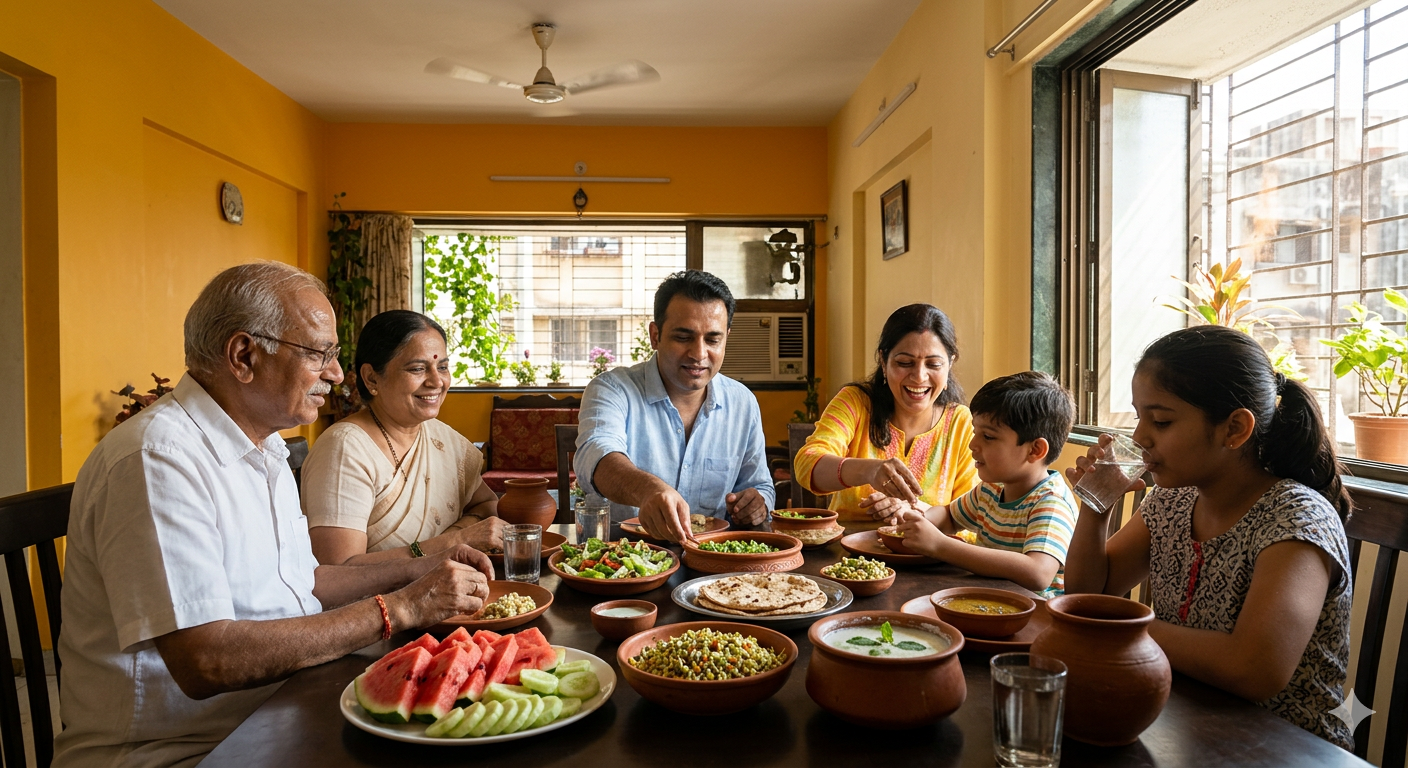
The rising heatwave alerts issued in different regions of India have made people experience diarrhea and dehydration in record numbers. The number of cases related to gut issues has made people confused about what they should eat and what to avoid. The heat stress can wreak havoc on your digestive system if you let it, so controlling what you eat for meals is necessary to ensure gastric harmony. The food choices that you make and diarrhea and dehydration are interlinked. One choice influences the other and vice versa. So, knowing which foods should be on your plate and which ones to avoid is essential.
Why Heatwaves Increase The Risk Of Diarrhea And Dehydration
Research published in the Science of The Total Environment highlights that heatwaves cause excessive heat exposure that increases the risk of diarrhea and dehydration. Nutritionist Lovneet Batra explains, "During extreme heat, dehydration can weaken the gut lining, making it more vulnerable to infections. Eating freshly cooked meals, including curd, rice, and seasonal fruits while avoiding processed or uncovered food can help reduce the risk of summer diarrhea."
- Faster bacterial growth in food occurs due to warm temperature exposure.
- Dehydration or lack of required water in the body can weaken the gut lining, which makes digestive elimination weaker.
- Loss of electrolytes through sweating and excessive sweating can induce tiredness in the body.
Common Summer Foods That Trigger Diarrhea
There are a number of common summer foods that can trigger diarrhoea when they are consumed without a thought. These are as follows:
- Street food that is prepared in unhygienic conditions, especially when the food preparation methods are under direct heat.
- Cut fruits left uncovered can be exposed to fruit flies and can carry a possible risk of infection from transferring bacteria, viruses, or fungi.
- Oily and spicy meals are hard to digest when the heat is too much, as the gut becomes vulnerable.
- Leftovers that are left improperly refrigerated can be exposed to bacterial growth, which multiplies in summers.
Also Read: Heatwaves Take A Hidden Toll On Menstrual Health, Experts Warn
What To Eat During A Heatwave To Protect Your Gut
Your gut needs extra care during summers, especially when a heatwave alert has been issued in your vicinity. Your food choices need to directly mirror what your gut needs to provide a steady dose of energy throughout the day and even make it able to deal with occasional indulgences.
- Light and freshly cooked meals need to be a daily practice to strengthen your gut and its digestive capabilities.
- Soothing foods such as boiled rice, curd, or khichdi are ideal when you have an upset gut.
- Seasonal and hydrating fruits need to be washed properly to get rid of pathogens.
- Probiotics and fermented foods can strengthen the way the gut breaks down food into energy.
Best Foods And Drinks To Prevent Dehydration
Several foods and drinks, when made a part of their summer diet, can introduce a balance to the hydration needs. These are as follows:
- Coconut water is rich in potassium, electrolytes, and hydration.
- ORS (Oral Rehydration Solutions) and homemade electrolyte drinks can balance the nutrients, both macro and micro, along with the hydration required to beat the heat.
- Water-rich vegetables provide hydration and nutritious content, which boosts summer immunity.
- Soups and buttermilk can provide nutrient-dense properties along with the satisfaction of drinking a liquid.
Also Read: Curd Rice vs Lemon Rice: Which Keeps Your Blood Sugar Stable?
Foods And Drinks To Avoid During Extreme Summer Heat
A modified diet is necessary during extreme heat, which takes its impact on your digestion into account. These can be:
- Sugary drinks, with their added sugars and chemical composition, lead to gut dysbiosis.
- Alcohol and caffeine trigger the healthy gut bacteria and interfere with the way it metabolises food.
- Raw or undercooked food needs heavy-duty digestion capabilities; when the gut is already compromised, then caution should be exercised.
- Buffet and unrefrigerated food are exposed to bacterial contamination if they are not properly covered or the storage temperature is not maintained.
Hygiene And Food Safety Tips During Heatwaves
Food should be consumed in a safe manner, especially in summers when the chances of contamination and bacterial growth are high. You need to practise hygiene and food safety tips during heatwaves to ensure you don't suffer from diarrhea or dehydration:
- Wash your hands frequently to ensure your exposure to harmful bacteria is minimal.
- Avoid eating out during peak heat, as the bacterial growth can pose a greater health risk.
- Proper food storage is necessary as people need to realise what they eat and how they eat it impacts the way their digestive system will react.
Diet is the first defence to counter the chances of possible dehydration or diarrhea. Hydration is necessary, and knowing when to see a doctor when the problem gets unmanageable is necessary.
Disclaimer: This content, including advice, provides generic information only. It is in no way a substitute for a qualified medical opinion. Always consult a specialist or your own doctor for more information. NDTV does not claim responsibility for this information.