

)
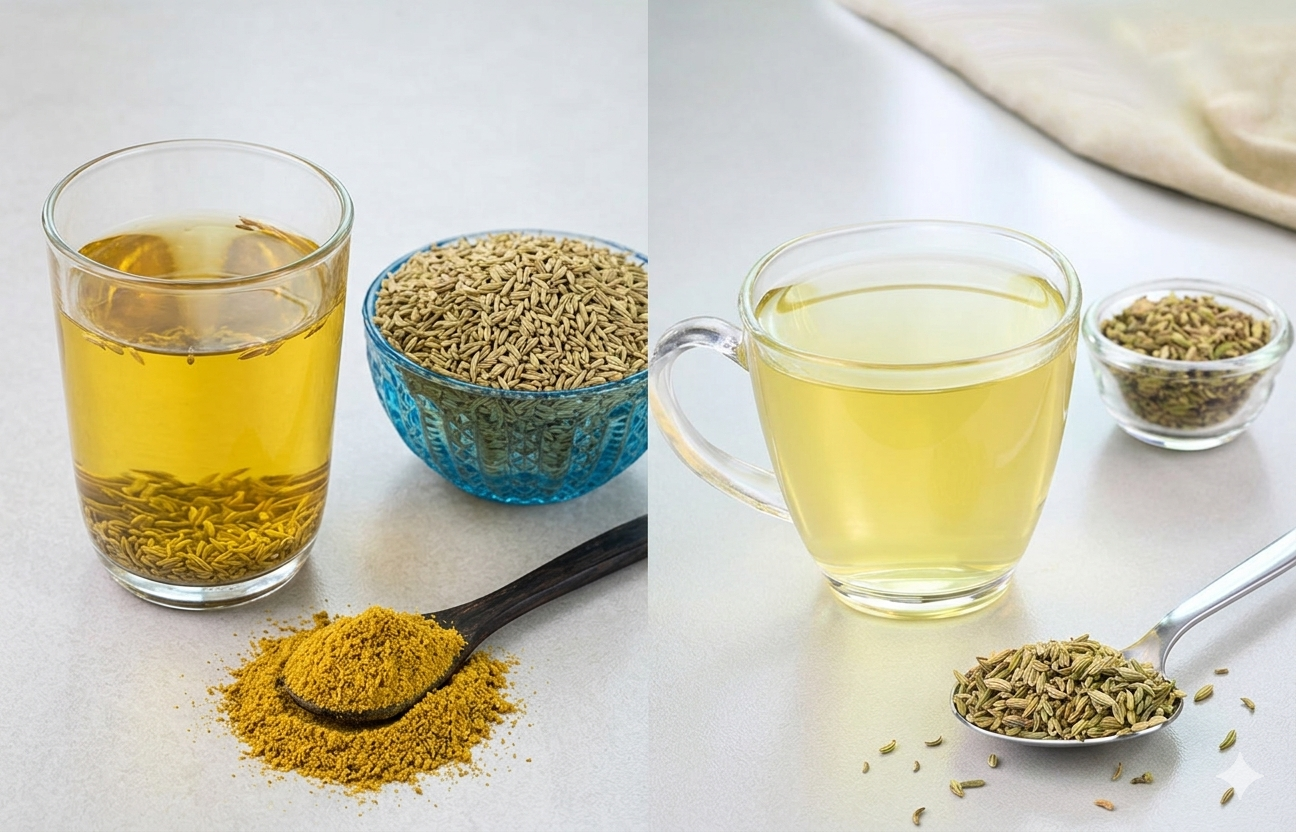
As of early 2026, global health reports indicate that over 540 million adults are living with diabetes, with India contributing to nearly one-sixth of that staggering total. In an era where metabolic health has become a primary public concern, the search for natural, kitchen-based interventions has intensified. Among the most popular traditional remedies are Jeera (cumin) water and Saunf (fennel) water. Few natural remedies are as powerful as the "magic water" prepared from the spice box. Cumin water and fennel water are both powerhouse ingredients; the impact on glucose levels is driven by distinct chemical pathways. For individuals managing insulin resistance or Type 2 diabetes, understanding these differences is crucial for a targeted morning routine.
The Metabolic Mechanics: How They Work
To determine which spice is superior for glycaemic control, the bioactives must be examined. Cumin is characterised by thymoquinone and cuminaldehyde, while saunf is rich in anethole and quercetin. These compounds act as biological "keys" that unlock different metabolic doors.
Jeera Water: The Insulin Sensitiser
Cumin is frequently cited as a metabolic stimulator. Beyond aiding digestion, it has a direct relationship with insulin secretion. Research published in the Journal of Applied Physiology indicates that cumin can stimulate the pancreas to produce more insulin and improve the sensitivity of cells to the hormone already present in the system.
When insulin sensitivity increases, the body can clear glucose from the bloodstream more effectively, preventing the prolonged "highs" that lead to organ damage.
Furthermore, cumin is known to help in reducing the formation of advanced glycation end-products (AGEs), which are harmful compounds that accumulate when blood sugar is high.
Also Read: Doctor Explains 4 Major HbA1c Blood Sugar Test Myths Keeping Indians On The Wrong Diabetes Path
Saunf Water: The Digestive Stabiliser
Fennel is the cooling counterpart. The role of fennel in blood sugar management is often indirect but vital. It acts as a potent anti-inflammatory agent. Chronic inflammation is a known driver of insulin resistance; by reducing systemic inflammation, fennel helps the body process glucose more efficiently.
Furthermore, fennel is a natural diuretic and digestive aid, helping to flush out toxins and reduce the oxidative stress often associated with high blood sugar levels.
Its ability to regulate appetite prevents the caloric surpluses that lead to sugar spikes, making it an essential tool for weight management in diabetic patients.
The Science: Research Insights
- HbA1c Reduction: A clinical trial published in Phytotherapy Research found that patients with Type 2 diabetes who were supplemented with cumin essential oil saw a significant decrease in fasting blood sugar and HbA1c levels over an eight-week period. HbA1c is a 3-month average of blood sugar, making this a significant finding for long-term management.
- Enzyme Inhibition: Cuminaldehyde may inhibit alpha-glucosidase, an enzyme that breaks down complex carbohydrates into simple sugars. This effectively slows the rate at which glucose enters the bloodstream after a meal, preventing post-prandial spikes.
- Glucose Concentration: An animal study published in PMC demonstrated that aqueous extracts of fennel significantly lowered blood glucose concentrations in diabetic models. The research suggested that the phytochemicals have a protective effect on the pancreatic islets, which are responsible for insulin production.
- Satiety and Cravings: Research highlighted in metabolic journals notes that fennel water can improve satiety. Curbing late-night cravings and overeating, it helps maintain a flatter glucose curve throughout the day. It also assists in lowering serum lipids, which are often elevated in those with metabolic syndrome.
Also Read: Bhindi vs Parwal: Which Is Better For Diabetics?
Strategic Comparison: Jeera vs Saunf
When deciding which to incorporate into a daily regimen, consider these functional differences:
- Primary Metabolic Action: Cumin focuses on direct insulin stimulation and carbohydrate blocking. Saunf prioritises anti-inflammatory support and appetite suppression.
- Targeted Benefit: Cumin is best for those looking to lower fasting blood sugar and long-term HbA1c. Fennel is better for preventing post-meal spikes and managing weight-related glucose issues.
- Thermal Properties: Cumin is considered heating in nature, which can boost metabolism but may be harsh for those with acidity. Fennel is cooling, making it ideal for soothing the gut and reducing internal heat.
- Ideal Timing: Cumin water is most effective when consumed on an empty stomach in the morning to "prime" the metabolism. Saunf water is highly effective when sipped throughout the day or immediately after meals to assist digestion and curb sweet cravings.
The Verdict: Which One Is Better?
If the goal is direct blood sugar control and lowering clinical markers like HbA1c, cumin water currently holds a slight edge in clinical literature. Its ability to lower fasting glucose and impact insulin pathways directly makes it a potent "metabolic kickstart".
However, fennel water remains the superior choice for individuals whose sugar spikes are driven by inflammation, digestive distress, or emotional eating. The ability to cool the system and curb hunger makes it an essential tool for weight-related glucose management, particularly in the summer months.
The most effective strategy often involves alternating the two based on the environment and personal constitution. During the scorching summer months in India, Saunf water provides cooling relief while supporting the gut. In cooler months, or for those with a "sluggish" metabolism, switching to cumin can help maintain a more aggressive metabolic rate.
Disclaimer: This content, including advice, provides generic information only. It is in no way a substitute for a qualified medical opinion. Always consult a specialist or your own doctor for more information. NDTV does not claim responsibility for this information.