

)
Extreme heat can lead to several health issues, including fatigue, sweating, and dehydration. However, many people may not realize that it can also impact blood pressure. As temperatures increase, the body undergoes stress that causes various physiological changes, affecting overall health and the regulation of blood pressure. Generally, heat causes blood pressure to drop, however, extreme heat can also trigger dangerous spikes depending on how an individual's body reacts.
How heat impacts blood pressure numbers
When temperatures rise, your body works hard to cool down, which directly shifts your vitals:
1. Dehydration
High temperatures can lead to increased sweating and, consequently, fluid loss. When the body loses more fluids than it takes in, dehydration occurs, which relies on adequate water levels to maintain healthy blood volume. Low blood volume can cause blood pressure to drop, a condition known as hypotension.
2. Vasodilation
Extreme heat causes blood vessels to dilate (widen) in an attempt to cool the body down. While this can help in regulating temperature, vasodilation can result in lower blood pressure, particularly in those who are sensitive to changes in temperature or have pre-existing blood pressure issues.
3. Increased heart rate
To compensate for lower blood pressure and ensure adequate blood flow to vital organs during hot weather, the heart may beat faster. An increased heart rate can strain the cardiovascular system, particularly in individuals with pre-existing heart conditions or hypertension.
4. Stress response
Extreme heat can trigger a stress response in the body, increasing levels of stress hormones. These hormones can lead to heightened vascular resistance, temporarily raising blood pressure, but chronic exposure to heat can lead to more long-term negative effects on cardiovascular health.
Warning signs you shouldn't ignore
Low blood pressure
You might see numbers lower than your usual baseline. This can lead to:
- Dizziness or lightheadedness
- Fainting
- Risk of falls, especially in older adults
High blood pressure
In extreme heat or humidity, the heart works twice as hard. This strain can:
- Push numbers into a hypertensive crisis, leading to nausea, shortness of breath, fatigue, chest pain and changes in vision
- Increase the risk of heatstroke or heart attack
- Worsen existing heart conditions
Tips to maintain healthy blood pressure in the heat:
1. Stay hydrated
Drink plenty of fluids, particularly water, to help maintain blood volume and prevent dehydration. Electrolyte-rich drinks can also be beneficial, especially if engaging in physical activity.
2. Seek shade and wear light clothing
During peak heat hours, avoid direct sun exposure and opt for lightweight, breathable clothing to help your body regulate temperature more effectively.
3. Limit physical activity
Reduce strenuous activities or exercise during extremely hot temperatures. If exercise is necessary, try to do it during cooler parts of the day, such as early morning or late evening.
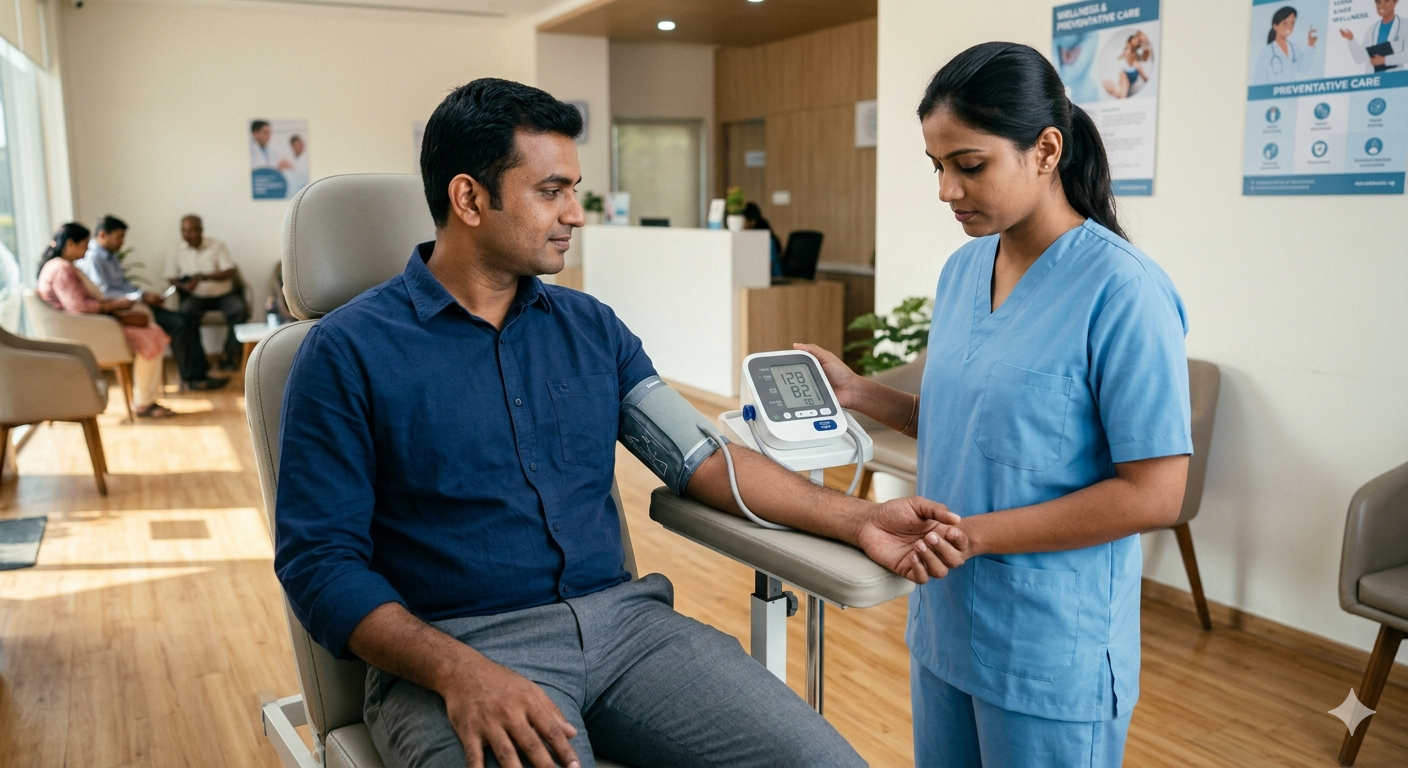
4. Monitor your blood pressure
Regularly check your blood pressure to identify any significant fluctuations. If you notice any worrying changes, consult your doctor.
5. Maintain a balanced diet
Eating plenty of fruits and vegetables, which are high in water and essential nutrients, can support hydration and overall cardiovascular health. Limiting salt intake is also important for blood pressure management.
6. Avoid caffeine and alcohol
Both caffeine and alcohol can lead to dehydration and may affect blood pressure control. Limiting these substances, especially in hot weather, can be beneficial.
7. Cool down
Find ways to lower your body temperature, such as cool showers, fans, or air conditioning, to reduce the heat load and prevent heat-related stress on the system.
Taking proactive steps to manage health during periods of extreme heat can help maintain healthy blood pressure levels and reduce associated health risks.
Disclaimer: This content including advice provides generic information only. It is in no way a substitute for a qualified medical opinion. Always consult a specialist or your own doctor for more information. NDTV does not claim responsibility for this information.