

)
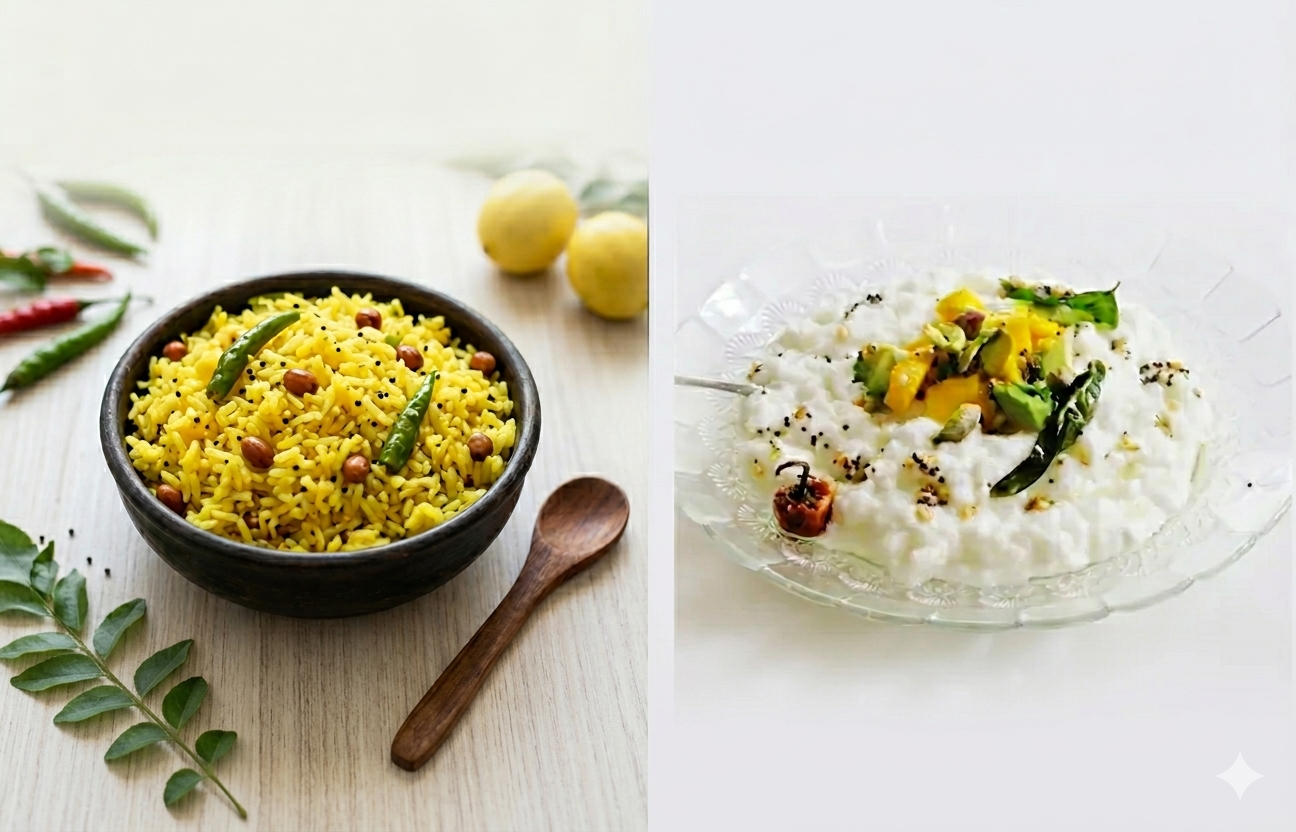
Rice is a staple in Indian meals, but it spikes your blood sugar when you consume too much of it too quickly. This poses a challenge for people who are struggling to control their blood sugar levels daily, such as people who are prediabetic or those who have type 1 or type 2 diabetes, but when lighter options are introduced, then the benefit is evident. When it comes to summers specifically, curd rice and lemon rice are light dishes that people consume, as they believe they help their slow digestive system while providing the needed nutrients daily.
According to the research published in Nature Medicine, consuming a moderate portion of rice is helpful for people who have issues with their blood sugar. But when it comes to the nutritional profile of curd rice and lemon rice on an individual basis, their spices, modes of preparation, and the cooking oil used to prepare them, their portion size, and timing can all influence their impact on your blood sugar.
Why Rice Can Spike Blood Sugar
Research published in the Foods journal, along with the established guidelines of nutrition by the National Institute of Nutrition, details that refined white rice, depending on its variety, has a glycaemic index of 58.
- Rice can rapidly spike blood sugar if too much of it is eaten in a single sitting, so people need to control their portion size.
- If you have a steady glucose rise, then you need to know which variety and form will work for you.
- You need to pair rice with protein, fat, or acid to decrease its glycaemic load and regulate your blood sugar in a better manner.
So, when it comes to rice and blood sugar, then curd rice with its tempered spices and addition of curry leaves is superior to lemon rice.
Curd Rice - How It Affects Blood Sugar
Curd rice is prepared by combining curd and rice alongside an assortment of temperate spices and curry leaves that not only adds taste but also reduces its ability to spike your blood sugar. It is ideal for lunch as the heat is extreme, and your body needs to eat something cooling and nutritious that doesn't spike your blood sugar too much.
Role Of Fermentation
Plain rice is combined with curd, which has beneficial probiotics and results in a slow carbohydrate absorption rate. The addition of curd to rice makes it have a slower effect on insulin sensitivity. This makes it better for people to function, as the gut and brain are interlinked, which can affect productivity.
Protein And Fat Factor
The protein and fat factors also influence curd rice's blood sugar load. The addition of curd adds protein and delays gastric emptying, which is better for summer heat.
It can also help stabilise glucose response, which is better for people who are actively seeking blood sugar control.
Also Read: Pumpkin Seeds vs Sunflower Seeds: Which Is A Better Source Of Fibre, Magnesium And Protein?
Lemon Rice - How It Affects Blood Sugar
According to the research published in a review of the Plants journal, the addition of lemon to rice can influence its impact on blood sugar levels. But it can also slow carbohydrate digestion, which makes it a better alternative to other summer foods. Here are some additional ways it can help with your blood sugar levels:
- The addition of oil, peanuts, and mustard seeds further improves the blood sugar regulatory factor.
- Also, when it is combined with fats, it can even add to and slow down blood sugar levels.
Note: People who are diabetic should consult a doctor before adding lemon rice to their diet, as it is an acidic food that benefits blood sugar.
Which Keeps Your Blood Sugar More Stable?
Blood sugar should be stabilised for their energy levels and overall functioning. But when curd rice and lemon rice are concerned, then you need to know:
- Curd rice generally causes a slower post-meal glucose rise, so regulating how to consume it is necessary.
- Lemon rice stability depends heavily on oil quantity, and portion size matters.
- There are individual factors that influence blood sugar, such as time of day, activity level, and individual glucose tolerance.
So, for blood sugar stability, you need to choose what needs to be on your plate.
Also Read: Experts Explain How Sugarcane Juice Is Beneficial For Liver Health
Portion Size Matters More Than The Dish
The portion size matters more than the dish that should be on your plate. Here are the ways to consume it for regulated blood sugar levels:
- 1 cup and oversized portions are what need blood sugar spikes and even cause crashes.
- Adding vegetables or pulses can further improve what is on your plate.
- Rice variety matters; if the rice is parboiled or hand-pounded, then its starch levels can differ, which can impact the blood sugar spike it will cause when it is consumed.
How To Make Both Dishes More Diabetes-Friendly
There are ways to make both curd rice and lemon rice more diabetes-friendly, which can regulate your blood sugar levels. Here is how:
For Curd Rice:
- Use thick, unsweetened curd
- Add grated vegetables
- Avoid excess rice
For Lemon Rice:
- Limit oil
- Increase peanuts and lentils carefully
- Add vegetables for fibre
Curd rice and lemon rice should both be part of your diet in a controlled manner, especially the portion size. But you need to make sure that the way you prepare them takes into account your blood sugar levels.
Disclaimer: This content, including advice, provides generic information only. It is in no way a substitute for a qualified medical opinion. Always consult a specialist or your own doctor for more information. NDTV does not claim responsibility for this information.