

)
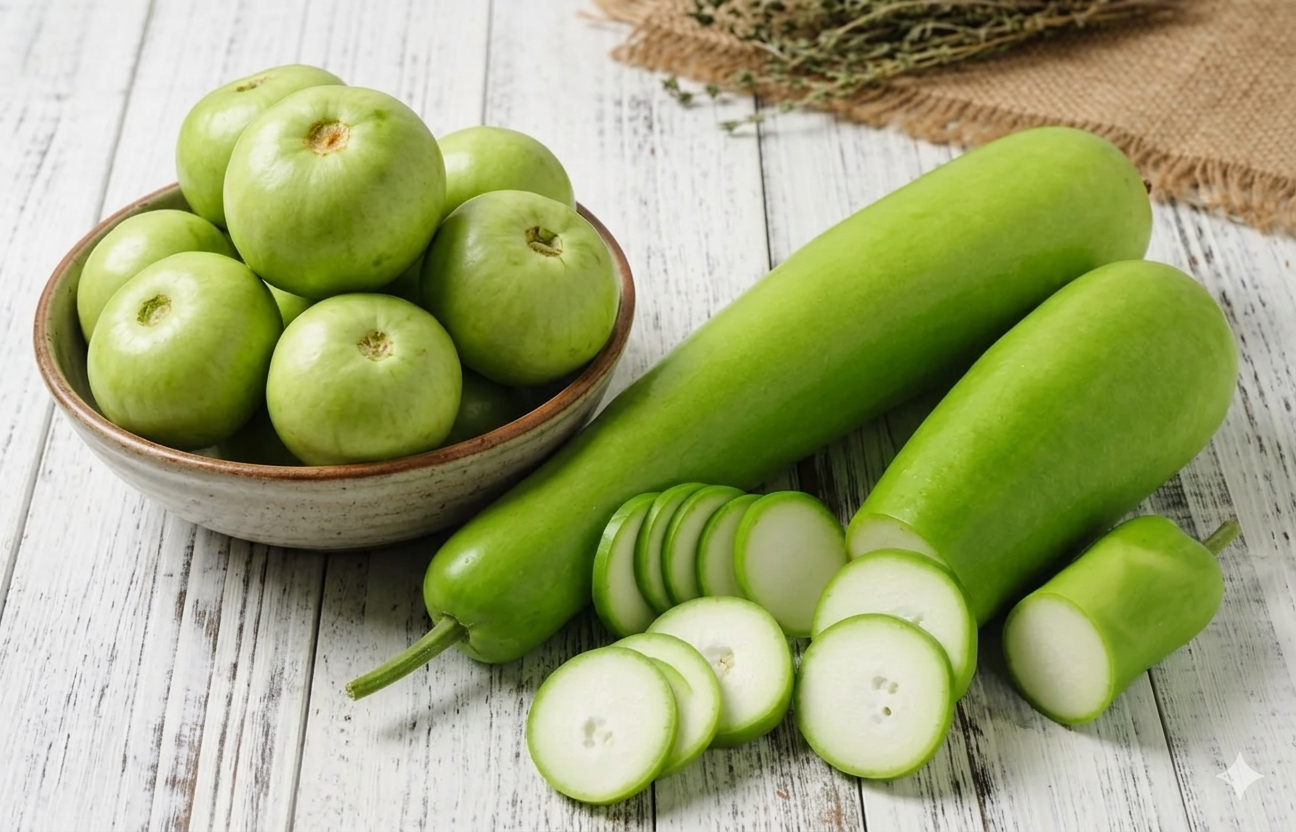
Indian summers bring with them the problem of heat exhaustion, which is initiated with "loo". Water may not be enough to counter the side effects that can be felt when people experience fatigue, nausea, dizziness, or any other symptom. As dehydration may occur due to exposure to heat stress, the need to consume water-rich vegetables is necessary. In order to make your body internally hydrated, consuming vegetables such as lauki or bottle gourd and tinda or Indian squash is necessary in moderate doses.
While most people are unaware of their hydration status, especially those who spend most of their time outdoors or indoors in air-conditioned units that reduce their internal water content if they don't hydrate. The need to consume water-rich vegetables periodically is essential.
Lauki vs Tinda: What Makes Them Summer Favourites?
There are two summer favourites that each have a cooling effect on the body, as detailed in the Food Chemistry Advances journal. The 92% water content in bottle gourd and over 90% water content in tinda make them seasonal hydrating options that can make digestion easier. Bottle gourd contains the following nutritional values:
- Dietary fibre (0.5-1.2 %)
- Protein (0.6-1.2%)
- Carbohydrates (2.5-3.9%)
- Essential fatty acids, micronutrients like potassium (170-200 mg/100 g)
- Calcium (20-25 mg/100 g)
- Vitamin C (10-12 mg/100 g)
The summer vegetables, such as bottle gourd and tinda, need to be consumed as part of a summer diet. But their exact quantity depends on their fresh availability and how much your body actually needs to hydrate.
Water Content And Hydration Value Compared
The water content in bottle gourd is higher than in tinda, while both increase nutrition during summers. This also means that people should consume them to avoid dehydration, but it only functions as a supportive measure. Lauki has extremely high water content, which means a smaller portion of it is needed for people who are just looking for health benefits and mild hydration. But for those who are doubtful of their daily water content, consuming a combination of hydrating foods is needed.
Electrolyte contribution through foods is essential, as the body needs support to deal with potential dehydration in summers.
There is better fluid retention when compared with plain water, as the body can internally balance the nutrients required for dealing with summer dehydration.
Also Read: Sourdough vs Normal Bread: Key Difference Between Microbial Ecosystems Explained
Effect on Digestion and Fluid Absorption
Dr Kruti S. Dhirwani, MD (Hom), MSc DFSM, a Homoeopathic Physician and Clinical Nutritionist, explains, "Gourds like lauki are nearly 92 per cent water, which makes them extremely effective in preventing dehydration during Indian summers." She explains further, saying, "Eating lauki regularly helps reduce internal heat load and supports hydration, especially during prolonged heat exposure."
The digestive system suffers from a slowdown as the body becomes busy with trying to balance the water content it needs to function properly. And when there is dehydration taking place due to external environmental factors, then actively supplementing the water needs is vital. Here is how consuming each bottle gourd and tinda can benefit digestion and fluid absorption:
Lauki:
- It can soothe the gut while being light and hydrating at the same time.
- Ideally, it should be consumed during acidity, diarrhea, or heat stress, as it provides the body with nutrition and ample water content at the same time.
Tinda:
- Light fibre content present in tinda can help the gut function better when it is struggling to keep up with water loss.
- Gentle but slightly heavier than lauki, as the body needs to break down its components.
- The impact on bloating and fluid loss is significant as it contains beneficial properties.
Cooling Properties: Which Vegetable Lowers Heat Stress Better?
When the cooling properties of each of these summer hydrating vegetables are considered, they can benefit the body in the following manner:
- Tinda functions as a mild coolant and is better consumed by people who can process it better.
- Lauki is a cooling food that is lighter and helps prevent excessive sweating, as it can cool down the body from within.
Also Read: Okra Water vs Lauki Juice: Which Is Better For Managing Cholesterol?
Nutritional Edge Beyond Water Content
Lauki contains ample amounts of potassium and supports blood pressure stability. Tinda has an ample amount of fibre, and it supports light energy needs. When it comes to summer heat-induced fatigue and weakness, people need to eat both of them, as they contain flavonoids that help improve how light the body feels. And they also help restore mineral balance at the same time with their nutritional profile.
Who Should Choose Lauki and Who Should Pick Tinda?
Lauki is better for those who are suffering from severe dehydration, with the right protocol being followed for replenishing the water loss.
- The elderly can benefit from eating lauki the most, as it is lighter on the stomach.
- People who experience acid reflux and loose motions should opt for lauki.
- Tinda is better for those with mild dehydration, as it can help with appetite loss without digestive issues.
Lauki wins for maximum hydration and cooling effects on the body. While tinda supports hydration, it is secondary. Both summer foods are useful, but their consumption depends on your body's condition.
Disclaimer: This content, including advice, provides generic information only. It is in no way a substitute for a qualified medical opinion. Always consult a specialist or your own doctor for more information. NDTV does not claim responsibility for this information.