


-

Trinamool MP Said She Won't Abandon Mamata Banerjee. She's On Rebels' List
Known for her pointed digs at rivals, Saayoni Ghosh is yet to speak out, but sources suggest she has already chosen her side.
-

Bengaluru Researcher's Design Concept Could Enable Lighter, Safer Spacecraft
Sanjay Lakshminarayana, a PhD scholar at AGH University in Poland, has developed a concept called the Joint Aerothermodynamic Yield Architecture (JAYA).
-
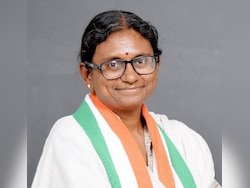
Meenakshi Natarajan: A Principled Leader Who Remains An Enigma Within Congress
Meenakshi Natarajan manages her expenses with the pension she receives as a former MP and earnings from a few books she has authored.
-
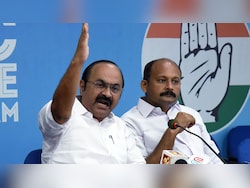
Kerala To Roll Out Free Bus Travel For Women From June 15
According to VD Satheesan, the state already provides around ₹1,500 crore annually to support KSRTC and the additional subsidy required for the free travel scheme will also be borne by the government.
-

SIM Swap Fraud: Karnataka High Court Holds BSNL Liable To Pay ₹55 Lakh For Negligence
The Karnataka High Court ordered BSNL to pay over Rs 55 lakh to Sri Basaveshwara Pattana Sahakara Bank after its staff issued a duplicate SIM without verification, enabling cybercriminals to steal Rs 87.7 lakh in 2019.
-

Google Cloud Outage In India As 3rd-Party Data Centre Fire Triggers Shutdown
The cloud-computing unit said the fire led to an emergency power shutdown at the facility, isolating a local point of presence in Delhi.
-
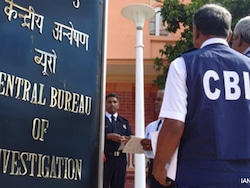
Delhi Cop Demanded Rs 3 Crore Bribe To Influence CBI's Fake Drugs Probe
During a meeting in Delhi, a senior government official allegedly assured the accused he could secure them the outcome they wanted in the CBI case.
-

Opinion | America Has Never, Ever Looked This Humiliated: The Story Of A Superpower's Fall
America's position was not this weak until recently; in fact, it was riding high. Then it chose to make all the wrong choices, and turned into a 'superpower' no one takes seriously anymore.
-

On Camera, Mumbai's BEST Bus Rams 2, Second Such Accident This Week
The incident occured around 11:40 am on Monday near the Poisar depot when the electric bus (route number A-277/38) was travelling from the Gorai depot.
-
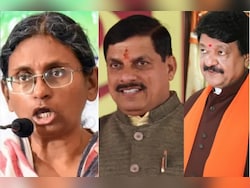
Sabotage? Inside Story Of How BJP Got Papers Against Meenakshi Natarajan
"We must have received the information from people within the Congress," MP Minister Kailash Vijayvargiya claimed
-

Sushmita Dev Quits Trinamool, Meets Himanta Biswa Sarma For "Guidance"
Trinamool MP Sushmita Dev Quits Party In Another Setback For Mamata Banerjee
-

Starlink Junks Talk Over Frozen License For Satellite-Based Internet In India
Dreyer's post was in response to a Bloomberg report this week that said the government had frozen approvals for commercial operations over concerns about the use of Starlink terminals in Iran.
-
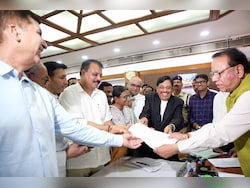
The Curious 'Case' Of Meenakshi Natarajan's Rajya Sabha Papers Rejection
Meenakshi Natarajan has rejected the allegation and has called the rejection "BJP's attempt to manipulate the Rajya Sabha election"
-
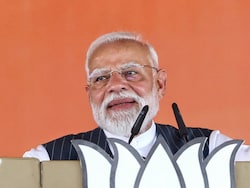
"4,399 Days And Counting": PM Modi Becomes Longest-Serving Elected Prime Minister
PM Modi on Wednesday became the longest-serving prime minister, with an unbroken tenure of 4,399 days in office.
-
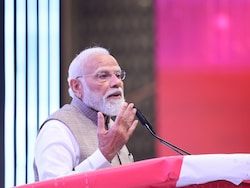
Modinomics At 12: The Reforms Rewiring India For The World
Modinomics rests on five key reforms that have fundamentally rewired how the Indian economy runs.
-
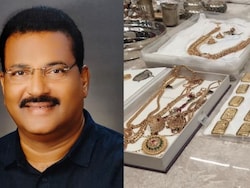
Top Telangana Official Arrested, Illegal Assets Worth 18 Crores Found
The searches also led to the seizure of Rs 55 lakh in cash, bank deposits worth around Rs 1.44 crore, gold ornaments weighing nearly 2.5 kg valued at about Rs 2 crore.
-

Government Denies Plans To Replace Paper Currency With Plastic From June 30
The clarification came after multiple messages circulated across digital platforms, triggering concern among citizens regarding the status of their legal tender.
-
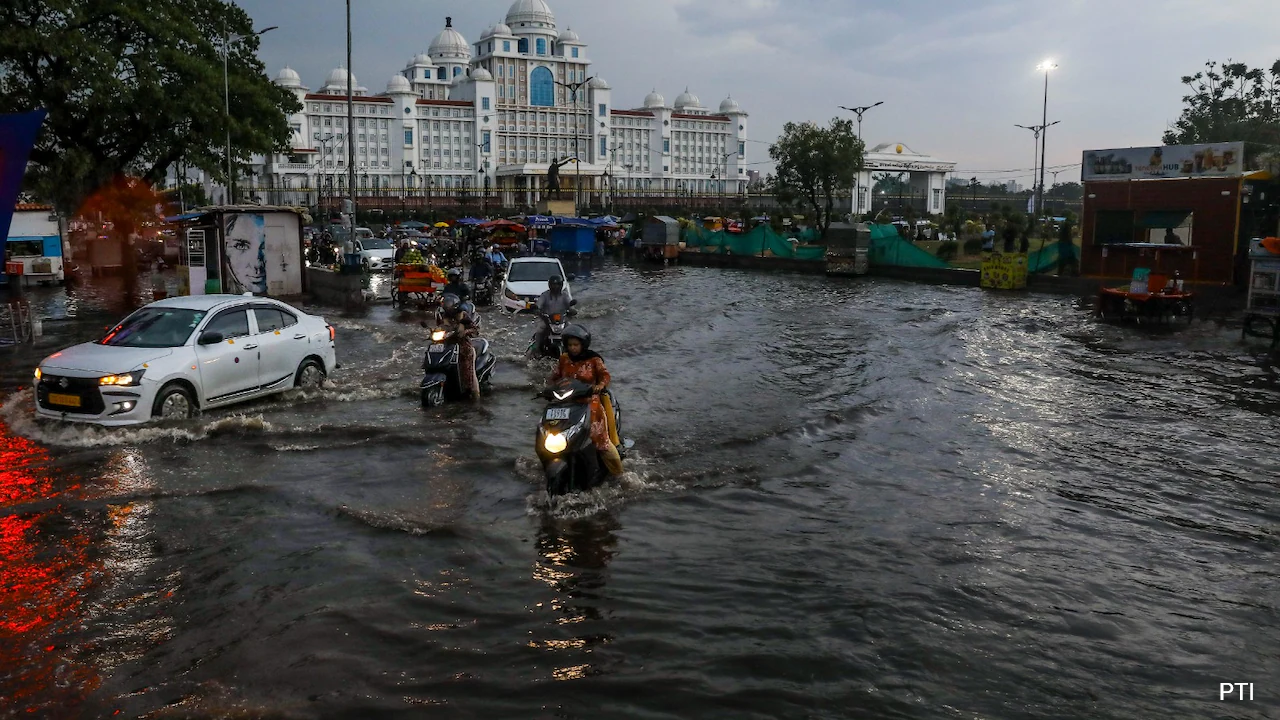
Heavy Rain, Waterlogging Disrupt Traffic In Hyderabad, 2 Electrocuted
The deaths were reported in Hyderabad's Mylardevpally when a low-tension streetlight cable was accidentally damaged and fell on the road during drain excavation work.
-
Yogi Adityanath's 'Love And Land Jihad" Warning Evokes Sharp Akhilesh Yadav Retort
Yogi Adityanath said that India is not a "dharamshala" for those who have no faith and loyalty towards the nation
-

5 Women Develop Kidney Failure After Childbirth In Rajasthan, Probe Initiated
The affected women experienced a deterioration in their health days after delivery, prompting concern among hospital authorities and the state government.


