

)
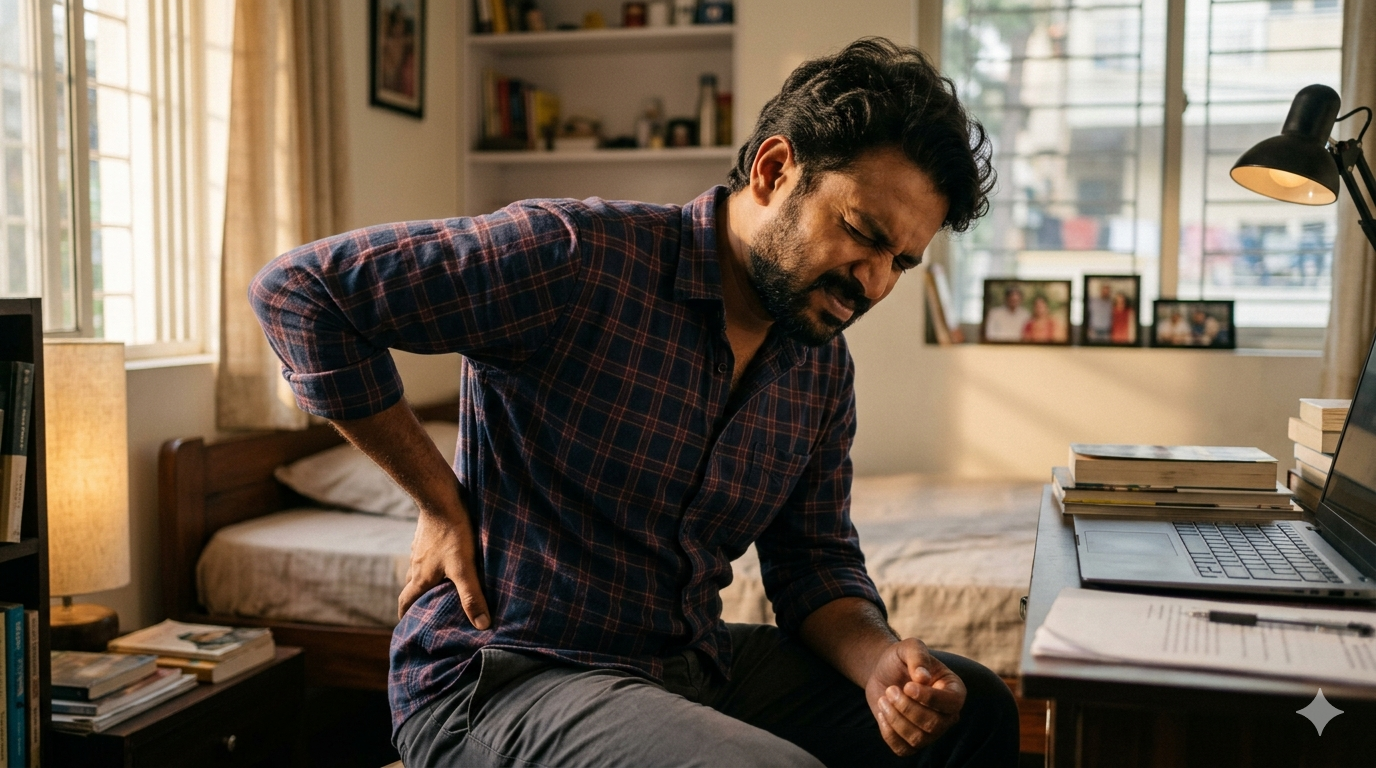
A lot of people tend to suffer from lower back pain, which can be chronic. Every individual, at some point in their lives, has experienced lower pain. In some cases, lower back pain can be due to muscle strains, however, it could also happen due to various other reasons, such as disc problems or structural spine conditions, among others. When you identify the underlying condition of lower back pain, it becomes easier to treat and manage the condition. Read on to know the possible causes of lower back pain.
Causes Of Lower Back Pain
1. Disc Problems
Intervertebral discs act as shock absorbers between the spine's vertebrae. However, when they bulge, herniate, or degenerate, they can trigger intense lower back discomfort. Herniated discs, for instance, can cause sharp pain radiating to the legs (sciatica) due to nerve compression, while degenerative disc disease flattens discs over time, reducing shock absorption and leading to chronic ache. People in their 30s and 40s might first notice this as morning stiffness that eases with movement, however, ignoring it can lead to numbness or weakness in the limbs.
2. Spinal Fractures
Tiny cracks in the vertebrae, called compression fractures, destabilise the spine and cause localised tenderness that intensifies with even minor movements. Osteoporosis thins bones, making them prone to these fractures from everyday activities like coughing or bending, especially in postmenopausal women. Traumatic fractures from falls or accidents cause sudden, severe pain accompanied by swelling and muscle spasms. Spondylolysis is a stress fracture in the pars interarticularis which affects young athletes in sports like gymnastics or football.
3. Structural Issues
The spine's architecture can change through conditions like spinal stenosis, where the canal narrows from bone spurs or thickened ligaments. This compresses the spinal cord or nerves and leads to burning pain, cramping in the legs, and relief upon sitting. Spondylolisthesis shifts vertebrae forward, stretching ligaments and pinching nerves, which are often linked to congenital defects or sports injuries. Lumbar scoliosis causes an unnatural sideways curve, unevenly loading joints and leading to asymmetrical pain that radiates to the hips. These issues increase with poor ergonomics or obesity, limiting walking distance and posture issues.
4. Arthritis
Osteoarthritis erodes the cartilage, inflaming these small stabilisers and causing stiffness that increases after inactivity, like upon waking. Bone-on-bone friction causes a grating sensation and pain that radiates around the waist. Ankylosing spondylitis, which is a rare inflammatory type, begins in young adults with morning stiffness lasting over an hour, eventually fusing vertebrae into a rigid spine. Genetic factors along with environmental triggers erode quality of life.
5. Infections and Tumours
Vertebral osteomyelitis or discitis from bacterial spread can erode bone, causing unrelenting night pain that is unresponsive to rest. Accompanying fever, chills, and increased inflammatory markers signal urgency. Tumours, whether metastatic from breast or prostate cancer or primary like osteoid osteoma, expand within bone, compressing structures and worsening at night. Early biopsies and antibiotics can prevent paralysis, underscoring the need for prompt imaging.
6. Kidney Stones
These mineral crystals form in the kidneys and lodge in ureters, sending colicky waves of flank pain to the lower back, groin, or abdomen. Nausea, haematuria, and frequent urination are different from regular spinal problems. Dehydration or high-salt diets in hot climates increase the risk, with smaller stones passing naturally, while larger ones need shock waves or surgery.
7. Abdominal Aortic Aneurysm
An abdominal aortic aneurysm (AAA) is a bulging aorta that presses on the spine, causing deep, tearing lower back pain, especially in older smokers. Rupture leads to life-threatening shock with sudden severe pain. Risk factors include hypertension. Ultrasound can help in screening high-risk individuals, emphasising early detection for timely repair.
Disclaimer: This content including advice provides generic information only. It is in no way a substitute for a qualified medical opinion. Always consult a specialist or your own doctor for more information. NDTV does not claim responsibility for this information.