

)
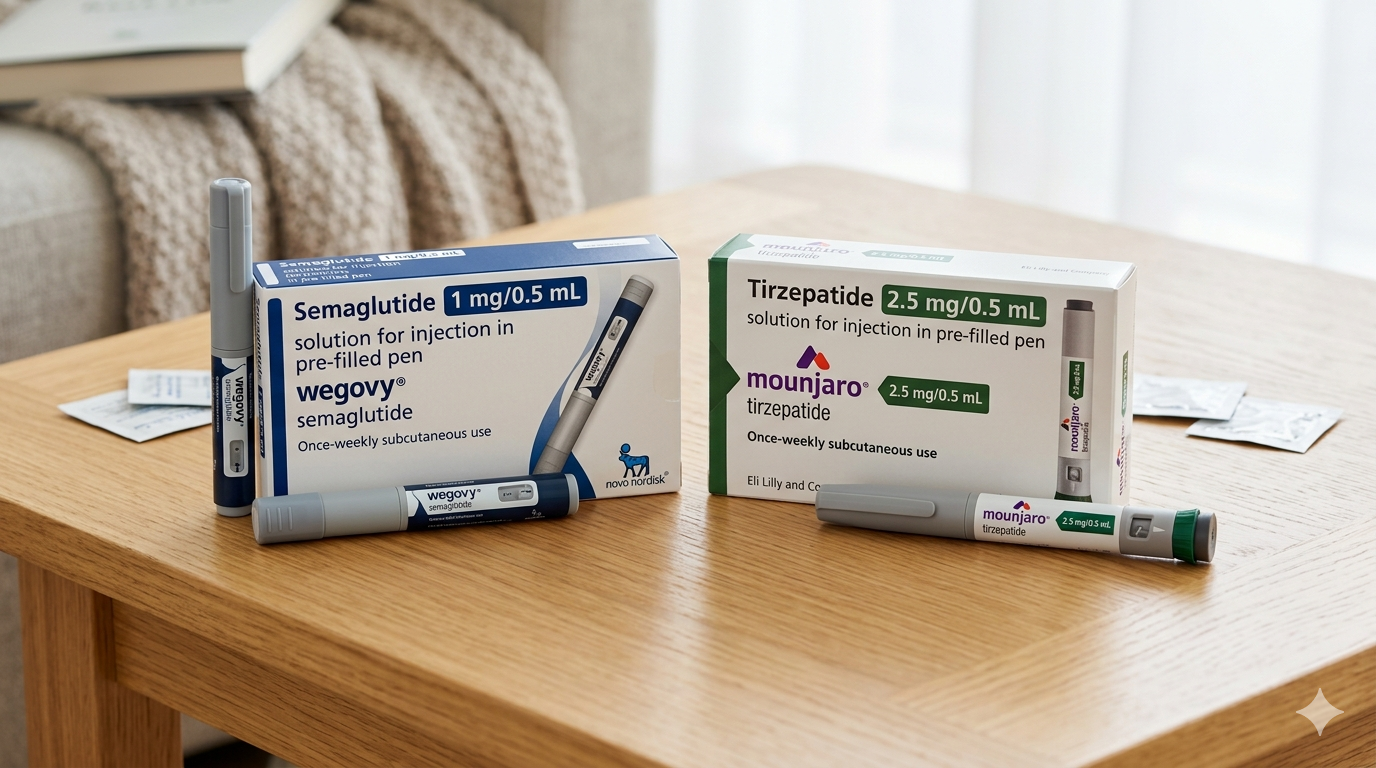
India stands at a turning point in the treatment of obesity and type 2 diabetes, two deeply intertwined public health challenges. The recent expiry of the patent for semaglutide, a widely used GLP-1 receptor agonist, on March 20, 2026, is expected to reshape access to these therapies across the country. For years, high costs limited the reach of such advanced medications, leaving many patients unable to sustain long-term treatment. Now, with generic versions of semaglutide likely to enter the Indian market, affordability may improve significantly. This could expand access beyond urban tertiary care centres to a broader population in need. At the same time, a newer drug, tirzepatide, continues to draw attention for its dual-hormone mechanism and strong clinical outcomes.
The development has sparked discussion among endocrinologists and pharmaceutical experts, not only about cost and access but also about safety, quality, and comparative effectiveness. As India navigates this transition, understanding how these medications work, and how they differ, becomes crucial for both patients and healthcare providers.
A Shift Triggered By Semaglutide's Patent Expiry
Semaglutide belongs to a class of drugs known as GLP-1 receptor agonists, which mimic the action of the hormone glucagon-like peptide-1. According to the World Health Organization, obesity is now recognised as a chronic disease linked to more than 170 complications, including cardiovascular disease, diabetes, and certain cancers.
Dr. Saket Kant, Senior Consultant in Endocrinology, Max Healthcare, highlights the significance of this moment: "Obesity is a chronic relapsing disease that leads to 170+ complications. Drugs like semaglutide have made a paradigm shift in the management of obesity and its complications. However, many deserving patients could not initiate or continue this therapy because of financial constraints leading to sub optimal benefits."
He adds that the patent expiry could democratise access: "Improved affordability can expand access to effective treatment options for a larger section of patients, ensuring wider access is balanced with appropriate and informed use."
Clinical evidence supports semaglutide's effectiveness. Trials published in journals such as The New England Journal of Medicine have shown average weight reductions of around 10-15% in individuals with obesity, alongside improved glycaemic control.
Also Read: How Semaglutide Works: Understanding Appetite, Hormones And Weight Loss In Simple Terms
The Rise of Generics: Opportunities And Concerns
With the patent expiry, multiple pharmaceutical companies are expected to introduce generic semaglutide formulations in India. This could significantly reduce treatment costs, which currently remain a barrier for many. Dr. Richa Chaturvedi, Endocrinologist at Apollo Hospitals, explains: "We're likely to see an aggressive wave of many generics, with lower weekly treatment costs, and rapid expansion of GLP-1 use beyond tertiary centers into routine diabetes care."
However, she also cautions: "This also raises questions about quality, interchangeability, and long-term pharmacovigilance in one of the world's largest diabetes markets." These concerns are echoed in global regulatory discussions. Agencies like the U.S. Food and Drug Administration and the European Medicines Agency emphasise rigorous bioequivalence and safety monitoring for complex biologic and peptide-based drugs.
How Tirzepatide Works Differently
While semaglutide acts on a single hormone pathway (GLP-1), tirzepatide introduces a dual mechanism. It targets both GLP-1 and glucose-dependent insulinotropic polypeptide (GIP) receptors, enhancing insulin secretion, reducing appetite, and improving metabolic outcomes.
An Eli Lilly and Company spokesperson clarified: "It is important to clarify that there are currently no generics of Lilly's molecule, tirzepatide. The generics expected to enter the market are for a different molecule, semaglutide."
They further emphasised its differentiation: "Tirzepatide [is] the first and only dual GIP/GLP-1 receptor agonist approved as an adjunct to diet and exercise to improve glycemic control in adults with type 2 diabetes mellitus."
The landmark SURPASS-2 trial provides strong comparative data. According to results published in The New England Journal of Medicine, tirzepatide demonstrated:
- A1C reduction of up to 2.46 percentage points
- Weight loss of up to 12.4 kg
In comparison, semaglutide showed:
- A1C reduction of 1.86 percentage points
- Weight loss of 6.2 kg
The spokesperson notes: "These results provide evidence supporting tirzepatide as an effective option, demonstrating superior A1C and body weight reductions."
Access vs Innovation: What Lies Ahead
The evolving treatment landscape presents a classic healthcare dilemma, balancing affordability with innovation. While generic semaglutide may improve access, tirzepatide represents the next generation of metabolic therapy, albeit at a higher cost.
From a public health perspective, wider access to GLP-1 therapies could help India address its growing burden of diabetes, which the International Diabetes Federation estimates affects over 100 million adults in the country. However, experts stress that these drugs are not standalone solutions. They must be used alongside lifestyle interventions, including diet and physical activity, and under medical supervision.
The expiry of semaglutide's patent marks a pivotal moment in India's fight against obesity and type 2 diabetes. Lower-cost generics could bring effective treatment within reach for millions, reshaping how these chronic conditions are managed. At the same time, newer therapies like tirzepatide highlight the rapid pace of innovation in metabolic medicine. With superior clinical outcomes but higher costs, they represent both promise and challenge.
As India navigates this transition, ensuring drug quality, patient safety, and informed use will be critical. Ultimately, the goal remains clear: Expanding access to effective, evidence-based care while continuing to advance treatment options for the future.
Disclaimer: This content, including advice, provides generic information only. It is in no way a substitute for a qualified medical opinion. Always consult a specialist or your own doctor for more information. NDTV does not claim responsibility for this information.