

)
Health remains one of the biggest concerns among Indians throughout the year. From diabetes to obesity, several diseases have become common in almost every Indian household. In this digital-dominated era, every common man first "Googles" the symptoms then sees a doctor. Throughout the year, Indians googled several queries related to issues like blood pressure, cholesterol, diabetes, kidney stones and more. Check here the most Googled health questions in India and their answers.
1. What is a normal sugar level?
Blood sugar levels indicate the amount of sugar in your blood, which is the body's main source of energy. Your blood sugar levels indicate if you're prediabetic or diabetic. A healthy adult should have their fasting blood sugar level between 70-100mg/dL. And after two hours of a meal, the level should be below 140 mg/dL.
2. What is high blood pressure?
High blood pressure, also known as hypertension, is a condition wherein the force of blood against artery walls is consistently too high. Anything 130/80 mmHg or higher is considered to be high blood pressure. When you have high blood pressure, it can increase your risk of heart attack, stroke, and kidney failure, among others.
3. What are the best ways to lower your blood pressure?
To lower your blood pressure, you will have to make a combination of lifestyle changes along with medications. It is important that you consult your doctor if you need any medications to lower your blood pressure levels. For lifestyle changes; adopt a heart-healthy diet that's low in sodium, perform some form of physical activity regularly, lose weight, quit smoking and limit alcohol consumption.
4. How to lower cholesterol?
To lower your cholesterol levels, follow a heart-healthy diet high in fruits, vegetables, and whole grains while limiting saturated and trans fats. Along with that, aim for at least 150 minutes of moderate exercise per week which can help lower LDL cholesterol and triglycerides and improve HDL cholesterol. Also, you should maintain a healthy weight, quit smoking, limit alcohol and manage your stress levels.
5. How can I prevent diabetes?
Type 1 diabetes is an autoimmune condition and can't be prevented. However, to prevent type 2 diabetes, you need to make the following changes. Maintain a healthy weight, get at least 150 minutes of moderate exercise weekly, eat a balanced diet rich in vegetables and whole foods, drink water, stop smoking, manage stress, and get good sleep. Avoid foods that have high sugar content in them like sugary drinks. Studies suggest that losing even 5-7% of your body weight can help reduce your risk of diabetes.
6. What is a liver-friendly diet?
A liver friendly diet is one which focuses on whole foods like fruits, vegetables, whole grains, lean proteins, healthy fats. It is also important that you limit processed foods, sugar, salt, alcohol and saturated fats. When you avoid these, it helps your liver in detoxification, reduce inflammation and manage weight, which eventually helps to improve liver function.
7. How do I check my A1c levels at home?
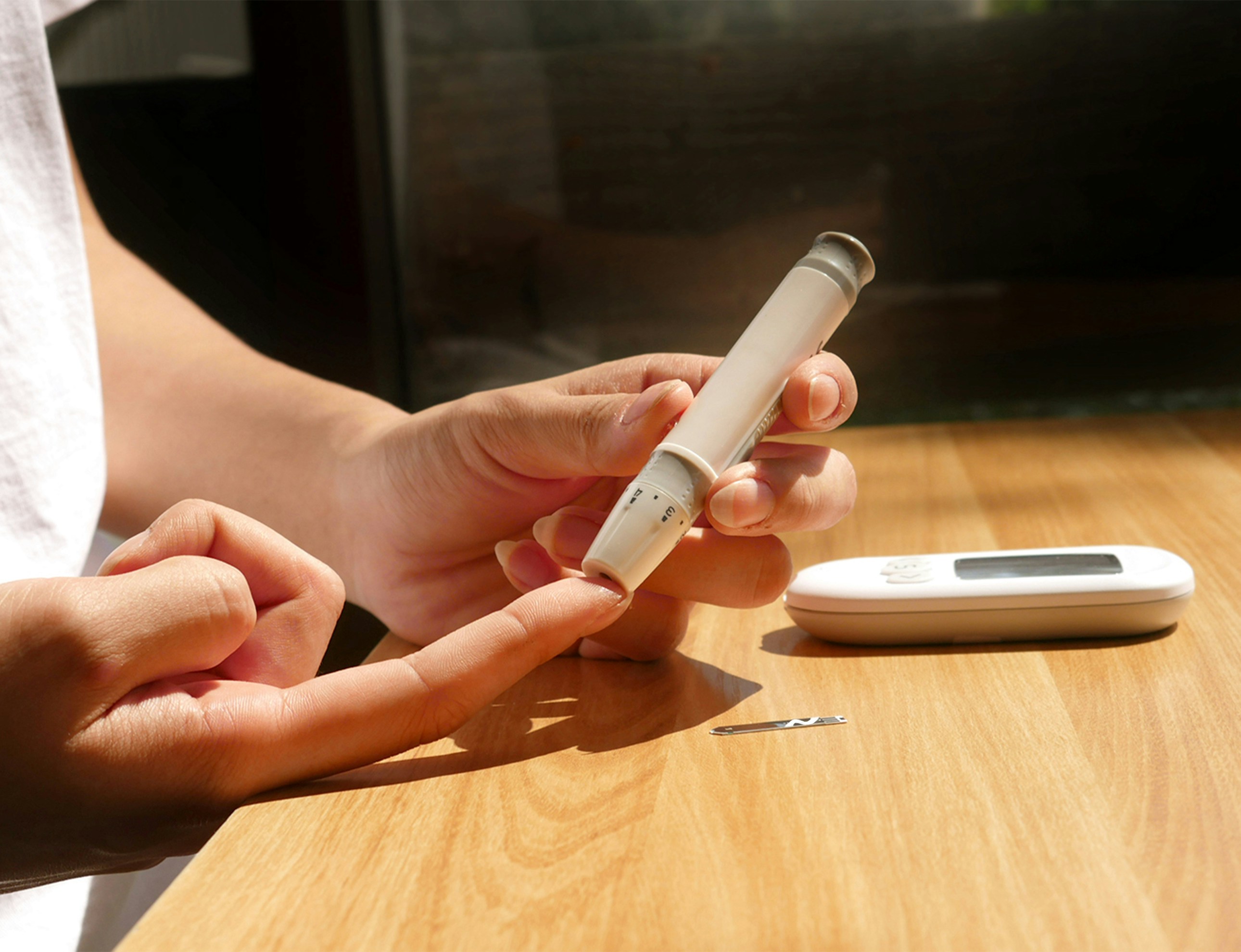
An A1c test checks your average blood sugar levels over the past two or three months. This test is required to diagnose and monitor if you're prediabetic or diabetic. While there are kits that can check your A1c levels at home, it is recommended that you get your A1c levels checked from a certified laboratory. These kits use a finger prick blood sample and a small handheld analyzer and provide results in about 5-10 minutes. Make sure to always check your results with a doctor for better analysis.
8. Why does my stomach hurt?
Stomach pain can happen due to various reasons and is a common issue. It can be caused due to digestive issues like gas, indigestion, and constipation or food allergies, infections like food poisoning or the stomach flu. Stomach pain could also be a result of less common but more serious conditions including appendicitis, gallstones, or other organ-related problems.
9. What causes diarrhoea?
Diarrhoea is usually a result of infections caused by bacteria, viruses, or parasites, which can enter your body from contaminated food or water. Other causes of diarrhoea include certain medications, food intolerances or digestive issues like irritable bowel syndrome (IBS) or Crohn's disease. Other factors such as too much caffeine, alcohol, or artificial sweeteners can also lead to diarrhoea.
10. How to get rid of dandruff?
There are several topical options available that can remove dandruff. These include anti-dandruff shampoos that have ingredients like pyrithione zinc, salicylic acid, or ketoconazole. Wash regularly with lukewarm water and avoid hot water. You can also use natural remedies like tea tree oil or coconut oil that can help soothe the scalp and control the fungus. Make sure you're consistent with whatever you're using, and if it persists, consult a dermatologist.
11. Why am I so tired and fatigued?
There can be several reasons why you might feel tired or fatigued. Poor sleep and stress are one of the major causes that can make you tired or fatigued. Other factors include poor diet and lack of exercise. It could also be a result of underlying conditions such as anaemia, thyroid disorders, anxiety and depression, among others. If your fatigue persists, make sure to consult a doctor.
12. What helps with bloating?
To reduce bloating, you can drink warm water, try walking, or drink herbal teas like peppermint or ginger. Applying a heating pad to your abdomen can be beneficial. Also, reduce air intake by eating slowly, avoiding chewing gum, and limiting carbonated drinks, and eating high-fibre foods.
13. What are the symptoms of cancer?
The symptoms of cancer are varied and depend on the affected area. However, some of the common symptoms include persistent fatigue, unexplained weight loss, lumps or swelling, skin changes (sores that won't heal, mole changes), changes in bowel/bladder habits, persistent pain, unusual bleeding (blood in urine, stool, vomit, or between periods), and a persistent cough or trouble breathing. Some of these signs are a result of tumours pressing on organs or the body's low energy. If you notice any unexplained changes, consult a doctor as early detection can help improve treatment outcomes.
14. What causes kidney stones?
Kidney stones are a result of concentrated minerals in urine, which create hard crystals. This usually happens due to dehydration, diets high in sodium/sugar/animal protein/oxalate, certain medical conditions (diabetes, gout, UTIs, obesity, IBD), obesity, and some medications. The risk also increases due to genetics and family history.
15. What are the signs of a heart attack?
Some of the common signs of heart attack include chest pain that may feel like pressure, tightness, pain, squeezing, cold sweats or aching. When the pain or discomfort spreads to the shoulder, arm, back, neck, jaw, teeth or sometimes the upper belly, it could be a sign of heart attack. The signs of heart attack in women might be different from that of men. Symptoms of heart attack in women include unusual or unexplained fatigue, pain in the back, neck or jaw, nausea or upset stomach, and dizziness.
16. Is hot lemon water good for weight loss?
Hot lemon water is no elixir for weight loss. However, it can support weight management if combined with a balanced diet and physical activity. Hot lemon water can help in weight loss by improving hydration and replacing higher-calorie sugary drinks. It can also boost your metabolism slightly and improve digestion, which aids in weight loss.
17. Are millets healthier than rice and wheat?
Millets are generally better options than white rice and wheat due to their high fibre, protein, and micronutrient content. Millets also have a lower glycemic index (GI) which is good for blood sugar control, and are gluten-free in nature, making them great for weight management, digestion, and diabetes.
18. Are high-protein diets safe for kidneys?
A high-protein diet is usually safe for people with healthy kidneys. However, for people with pre-existing kidney disease, a high-protein diet can be harmful as it adds additional stress on the kidneys' ability to remove waste. For people with chronic kidney disease (CKD), it is important that they keep a check on their protein intake.
19. What are the benefits of Ashwagandha?
Ashwagandha is a shrub that is native to Asia and is used in traditional Ayurvedic medicine. Ashwagandha can help reduce stress and anxiety, improve cognitive function, and enhance your physical performance. It can help with blood sugar levels, and has anti-inflammatory and antioxidant properties.
20. How many calories should I eat a day?
Your calorie intake depends on several factors such as age, sex, weight, height, and activity level. Usually, women need 1,600-2,400 calories and men need around 2,000-3,000 calories. Sedentary women need 1,600-1,800 calories, moderately active women need 1,800-2,200 calories and active women need around 2,000-2,400+ calories. On the other hand, sedentary men need 2,000-2,200 calories, moderately active men need 2,200-2,800 calories and active men need 2,400-3,000+ calories. Following a personalised diet can give your best results.
21. Are sugar-free sweeteners safe?
Most sugar substitutes are generally safe when consumed within recommended daily limits. However, some studies have highlighted the potential long-term health effects of these artificial sweeteners. It is important to consume these in moderation and individual sensitivities.
22. How to manage stress and anxiety?
There are different ways to manage stress and anxiety. A combination of lifestyle changes along with relaxation techniques and social support can help you manage your stress and anxiety. Lifestyle changes include exercise, healthy diet, good sleep, limiting screens/substances. Deep breathing, yoga, meditation and speaking to your friends and seeking help can be beneficial stress and anxiety.
23. How to improve sleep quality naturally?
A consistent sleep schedule, a cool, dark and quiet bedroom, and a relaxing bedtime routine can help to improve your sleep quality naturally. Also, stay away from screens and blue light, and try reading books. Try to avoid caffeine, large meals, alcohol, and nicotine hours before bed.
24. What are the benefits of digital therapy?
From accessibility, convenience, and affordability, there are several benefits of digital therapy. It offers care through remote, flexible sessions and reduced costs. It can also lead to better outcomes for conditions like anxiety, depression, chronic diseases, and insomnia.
25. What are the symptoms of dengue and malaria?
Symptoms of dengue and malaria include fever, headache, and body aches. But the main difference for dengue is pain behind the eyes, a rash, and a continuous high fever. On the other hand, malaria has symptoms like cyclical fever, chills, and sweating. Other symptoms for both include nausea, fatigue, and vomiting.
Disclaimer: This content including advice provides generic information only. It is in no way a substitute for a qualified medical opinion. Always consult a specialist or your own doctor for more information. NDTV does not claim responsibility for this information.