

)
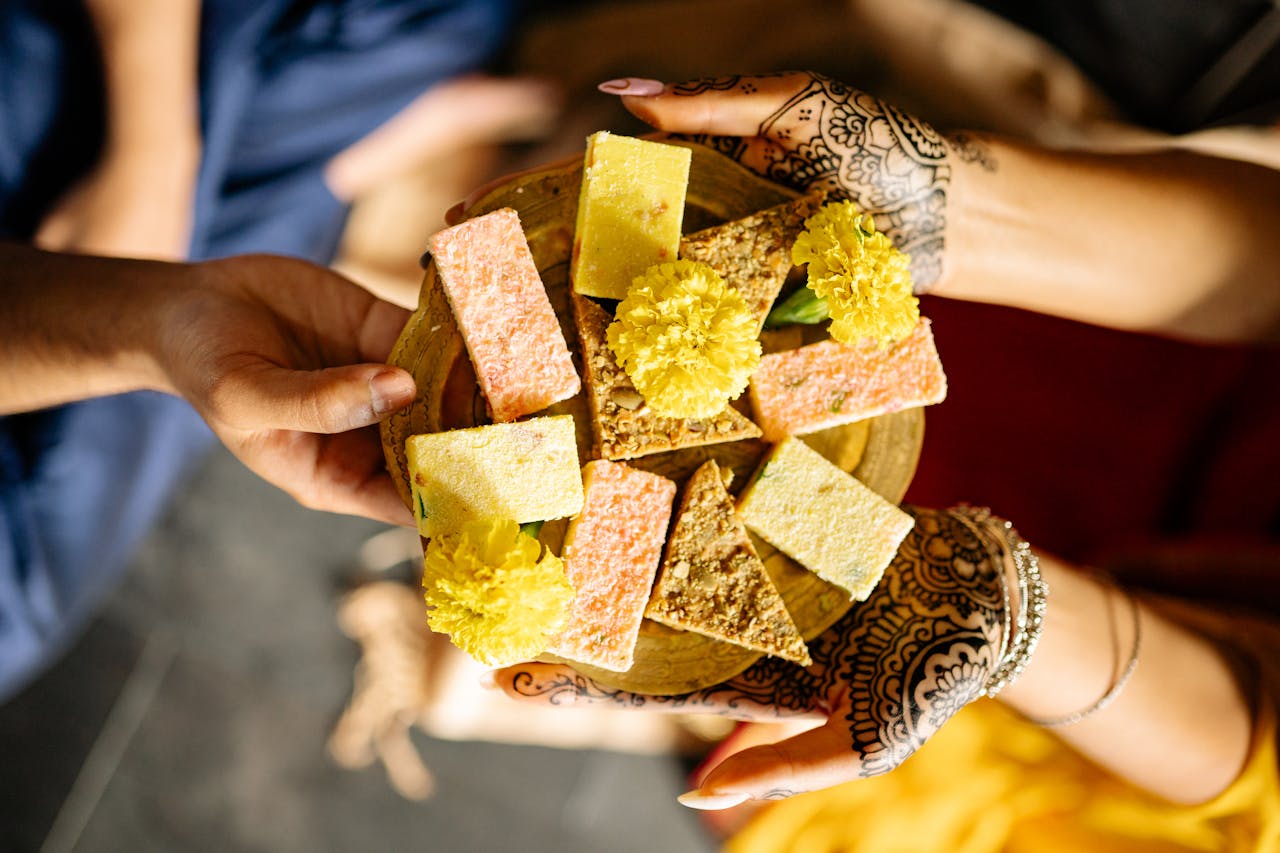
Diwali is the time to get together and rejoice with sweets and delicious delicacies. But, with Diwali comes the over the top celebrations—heavy gravies, late-night parties, sometimes a few drinks, sugary sweets, the list goes on. For many people this combo of heavy foods and drinks comes at a price. The price of absolute discomfort from indigestion, bloating, fullness, belching, heartburn and the burning feeling of “acidity” which ruins the festive cheer. In this article, we discuss why exactly do Diwali celebrations come with chaos to your gut and how to smartly overcome it.
Why are digestion issues common around Diwali?
- Dishes served during Diwali celebrations are high in fat and calories which stay longer in the stomach and increase symptoms of post-meal fullness, nausea and discomfort.
- Eating heavy meals (which are also often spicy) especially late at night and close to bed can increase possibility of acid reflux while gravity helps when you stay upright.
- Drinking alcohol increases acid secretion and relaxes the valve that keeps acid out of the oesophagus which provokes heartburn.
- Diwali also commemorates the winter season. This shift in season also plays part in causing digestive issues due to factors like slowed metabolism, gut microbiome changes and reduce water intake—all factors that come with the season change.
Now that you understand why are digestive issues common around Diwali, let's understand how to overcome these issues.
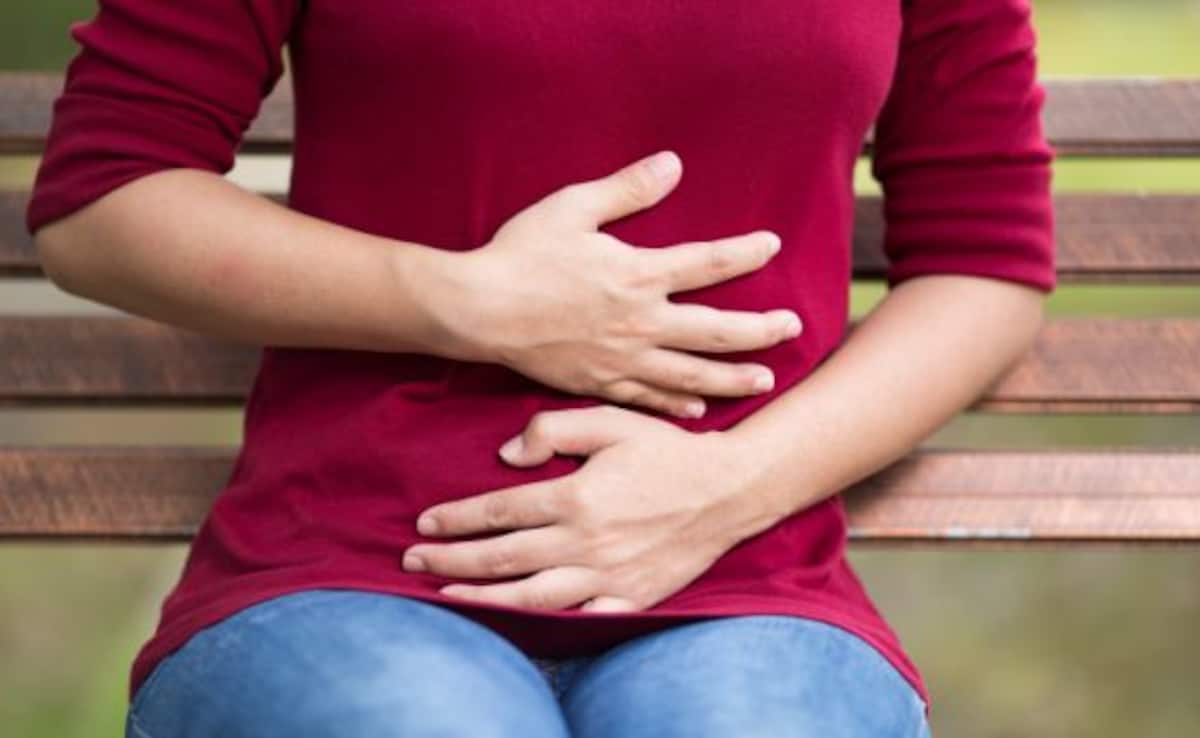
Heavy meals common during Diwali season can cause digestive issues
Photo Credit: Pexels
Here's how you can overcome digestive issues around Diwali
1. Pace your plate
Sudden, large, high-fat and calorie meals can worsen gastric symptoms. Opt for smaller helpings of rich dishes. Also, consume them slowly to reduce indigestion. Eating slowly also gives your body time to signal fullness cues to further avoid overeating (another factor responsible for indigestion).
2. Limit unhealthy foods
It is hard to resist a motichoor laddoo or a samosa but moderation is key. Fried snacks and calorie-dense sweets are the common culprits when it comes to indigestion during Diwali season. Reducing portions or opting for baked or low-sugar varieties is encouraged for better digestion.
3. Watch what you drink
It is no surprise that alcohol increases gastric acid and causes digestive issues. This combined with the spicy and fried Diwali food can cause immense discomfort. Avoid alcohol altogether and if you can't, consume in moderation. Drink water between drinks, drink slowly and avoid drinking close to bed time.
4. The window between eat and sleep
Gravity hugely helps in keeping the stomach acid down. If you are indulging in fried, spicy or sweet foods along with drinking, make sure to have strict windows between eating and going to bed. Avoid eating and drinking at least 2-3 hours before sleeping.
5. Avoid carbonated and caffeinated drinks
Fizzy drinks and caffeine can only worsen digestive issues when clubbed with heavy meals and drinking. Carbonated drinks and caffeine are both notorious for causing reflux. Stick to water, non-citrus drinks and herbal teas if you want a beverage.
6. Watch what you eat, when you can
Sticking to a balanced diet and not indulging is not realistic. A little indulgence is okay. However, when you do eat at home, try to compensate best you can. Try to consume more lean protein (since most Diwali foods are low in protein) with low-fat foods.
7. Be careful when trying “home remedies”
In India, home remedies are rooted in Ayurvedic nuske. While they can do wonders for digestion, everything doesn't for everybody. Try and test what teas, juices or spices work for you before committing to the hack.
8. Move when you can
With Pooja and parties, making time to workout becomes difficult during the Diwali season. Try to incorporate a gentle walk before bed to improve digestion. It does not need to be rigorous. Aim for 15-30 minutes before bed for better digestive health.
While these hacks can help to some extent. Certain people may experience more aggressive symptoms than others. If the indigestion is persistent even after trying these tips, talk to a doctor. They can prescribe you medications to assist with your condition.
Disclaimer: This content including advice provides generic information only. It is in no way a substitute for a qualified medical opinion. Always consult a specialist or your doctor for more information. NDTV does not claim responsibility for this information.
References
Functional Dyspepsia — National Institutes of Health (NIH), 2024.
Dietary fat intake and functional dyspepsia — NCBI/NIH, 2016.
Foods Inducing Typical Gastroesophageal Reflux Disease — NCBI/NIH, 2017.
Alcohol Consumption and the Risk of Gastroesophageal Reflux — NCBI, meta-analysis, 2019.
Dinner-to-bed time and gastroesophageal reflux — NCBI, 2005.
Spicy food and heartburn risk — NCBI, 2020.