

)
From desi nuskhe and uncertified-certified influencers to recommendations by experts, health news in India flows from all directions. This leaves plenty of people lost and confused. The need for you to draw information from credible sources is now more important than ever where people often seek medical advice from Instagram accounts and celebrities. But, one good thing to emerge this year is the constant focus on health as a whole. Since the past few years, health has become the talk of the town. And the queries people ask Google or even AI sources have increased manifold. From “Is lemon water in morning good for weight loss?” to “Are whole grain rotis better?”, the internet was bombarded with health queries.
However, it's time to separate myths from facts. A lot of what still gets circulated as health information on social media and communication apps today is misinformation, or at least half-baked ideas without any medical or scientific backing. The result, often, is that people believe these and adopt them to the detriment of their health. As you wrap 2025 and look forward to a healthier 2026, it makes sense to delve into the most common myths India enquired online about this year and the facts.
Most common myths of 2025 and the facts
Myth #1: Hot lemon water melts fat
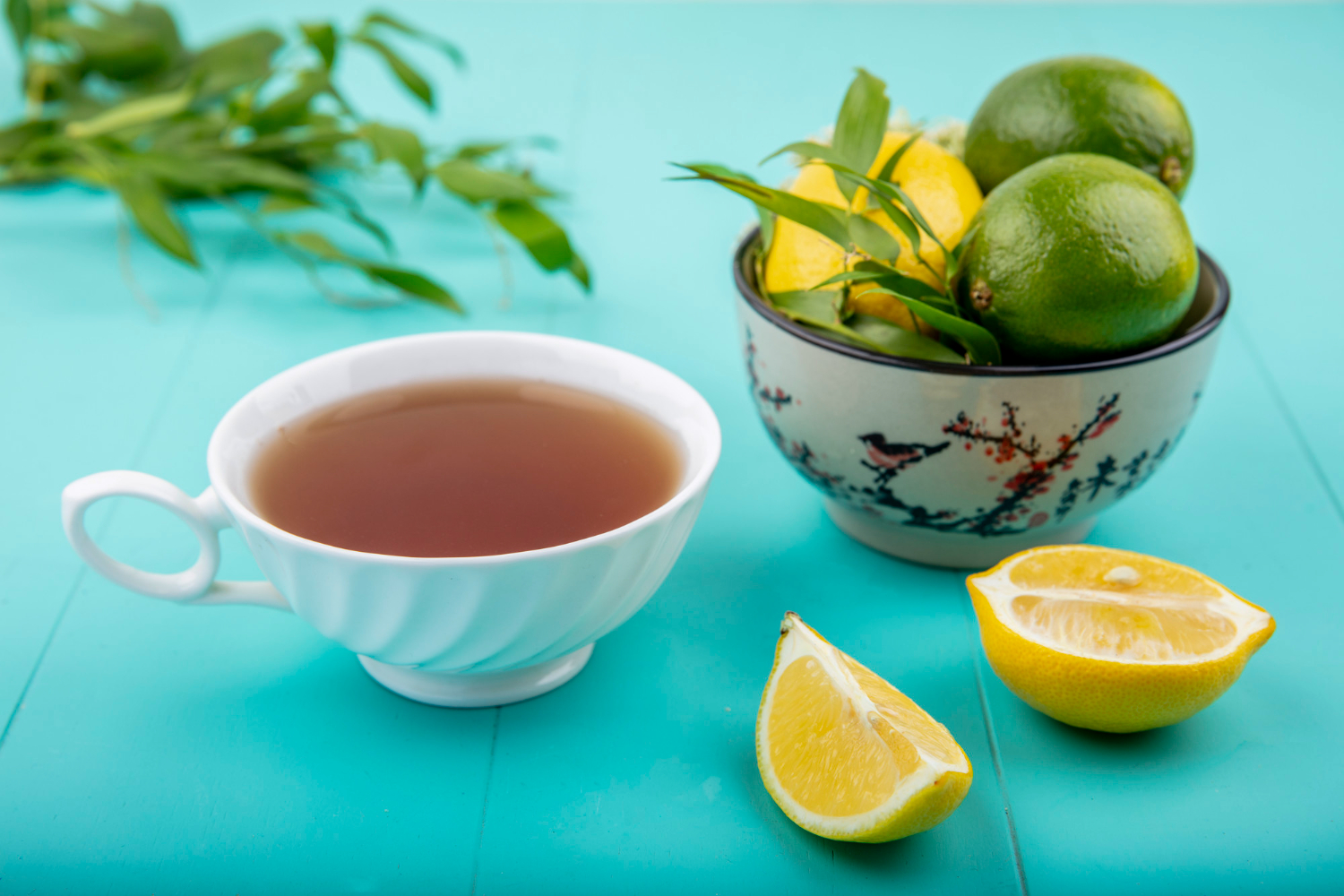
This little hack has been one of the most popular myths in India for years now. While science supports the tremendous benefits of lemon and warm water, this combination is no miracle. Warm water can aid in digestion and hydrate you while vitamin C found in lemons can boost your immunity. But weight loss? This one is a myth. Weight loss comes from exercise and calorie deficit, not hot lemon water.
Myth #2: Cold weather causes colds
It is a common Indian belief that exposure to winter cold causes respiratory infections and till continues to be a common misconception. However, it is not the cold weather but the viruses. The cold weather is ideal for viruses to survive longer but not the main cause. Cold weather along with people preferring unventilated indoor spaces, is what causes colds during winter.
Myth #3: Millets are healthier than rice and wheat
Millets especially millets native to India such as bajra, ragi, etc. have gained immense popularity this year. This is because these are abundant in essential fibre and numerous nutrients. But, millets are not for everyone. Some might benefit from easier to digest grains such as rice and wheat.
Myth #4: High-protein diets damage kidneys
The popularity of high-protein diets has skyrocketed in the past year. From high-protein bread to high-protein chillas, lately everything has been about protein. However, this has also led to various myths. One of the most common being that high-protein diets can lead to kidney issues. Although people with kidney disease are encouraged to limit protein intake, healthy individuals only benefit from high-protein diet and it does not spike your chances of developing a kidney disease.
Myth #5: Ghee increases cholesterol for everyone
Ghee has been demonised and criticised for many years now. With people's focus drawing to health, these unreliable claims have only gotten more popular this year. Although high intake of ghee can worsen cholesterol levels in people with high LDL (bad cholesterol), it is not bad for everybody. In fact, ghee is an amazing source of healthy fats and can do wonders for individuals with normal cholesterol when consumed in moderation.
Myth #6: Sugar-free sweeteners cause cancer
Popular artificial sweeteners like aspartame and sucralose continue to be viewed with suspicion. While there are plenty studies that show that high doses of these can be detrimental to health, normal servings are completely fine. Normal doses can be beneficial for diabetics who need low-glycemic alternatives. Various global toxicology assessments including those by National Cancer Institute and WHO report no conclusive correlation between cancer and sugar-free sweeteners. Although, you are encouraged to consume them in moderation. Opt for organic sweeteners if you must avoid them.
Myth #7: You need supplements to build immunity
Post-pandemic India saw a surge in vitamin C and zinc supplements. But research continues to show that supplements only benefit you when there is a deficiency at hand. Supplements alone cannot support immunity. A mix of healthy diet, proper sleep, exercise and healthy lifestyle supports strong immunity. Along with this, supplements should always be prescribed by a professional and not self-diagnosed.
Myth #8: Diabetics shouldn't have fruits
The new-age health sphere in India is all about dos and don'ts. However, the human anatomy is not so black and white. Given India's growing diabetes burden, this myth is one of the most popular ones. Fruits contain fibre, vitamins, minerals and antioxidants that support a healthy heart. Diabetics should not avoid fruits completely but instead consume low-GI fruits such as guava, apple, oranges and pears and follow portion-control.
Myth #9: Green tea is great to detoxify the body
Although green tea and detoxification have gone hand-in-hand for many years now, they have somehow squeezed their way into 2025 as well. Yes, green tea is rich in antioxidants but it doesn't mean it has the ability to detoxify your body. Your body is capable of detoxifying itself through your kidneys, liver and skin. In fact, overconsumption of green tea can cause various health issues such as liver enzyme balance. So, keep it realistic—the portion and the expectations.
Myth #10: Carbs at night cause weight gain
As the new year approaches, it is time that we stop demonising entire food groups. Healthy carbs consumed in moderation are not only healthy but also essential for good health. Metabolic studies show that eating carbs later in the day is only worrying if it is at odd hours and improper portions. While consuming carbs or any food late at night for that matter, can cause health issues, consuming carbs for dinner is completely fine!
With the rise of reels and unverified health channels, it is imperial to weigh in the pros and cons of these health takes. Do your proper research and always speak to a health professional before making drastic dietary changes. What works for someone may not work for you.
Disclaimer: This content including advice provides generic information only. It is in no way a substitute for a qualified medical opinion. Always consult a specialist or your doctor for more information. NDTV does not claim responsibility for this information.