

)
Hair care myths are everywhere. From family advice to random internet tips, most of us have grown up believing things that sound “logical” but are completely off-track. And when it comes to shaving, hair growth and conditioners, misinformation spreads the fastest. That is why it helps when experts step in and simplify things. Dermatologist Gurveen Waraich has shared a video on Instagram where she breaks down two very common myths.
Myth 1 – Shaving Makes Your Hair Thicker and Darker
Dr Gurveen starts by addressing the biggest myth of all. Many people believe shaving makes hair grow back thicker. And the “logic” often used? Men shave, so their beards look thick. As she puts it, “Men and women facial hair are two completely different breeds.”
Men naturally have terminal hair – hair that is coarse, thick and dark. Women mostly have vellus hair – light, thin and soft. The difference is because of androgens, especially testosterone. Men have higher levels, so their hair naturally grows thicker.
Women who have PCOS, where androgen levels are high, may see thick facial hair. But shaving itself does not change the nature or thickness of hair. As the dermatologist clearly states, “Shaving has got nothing to do with it.”
Myth 2 – Conditioner Causes Hair Fall
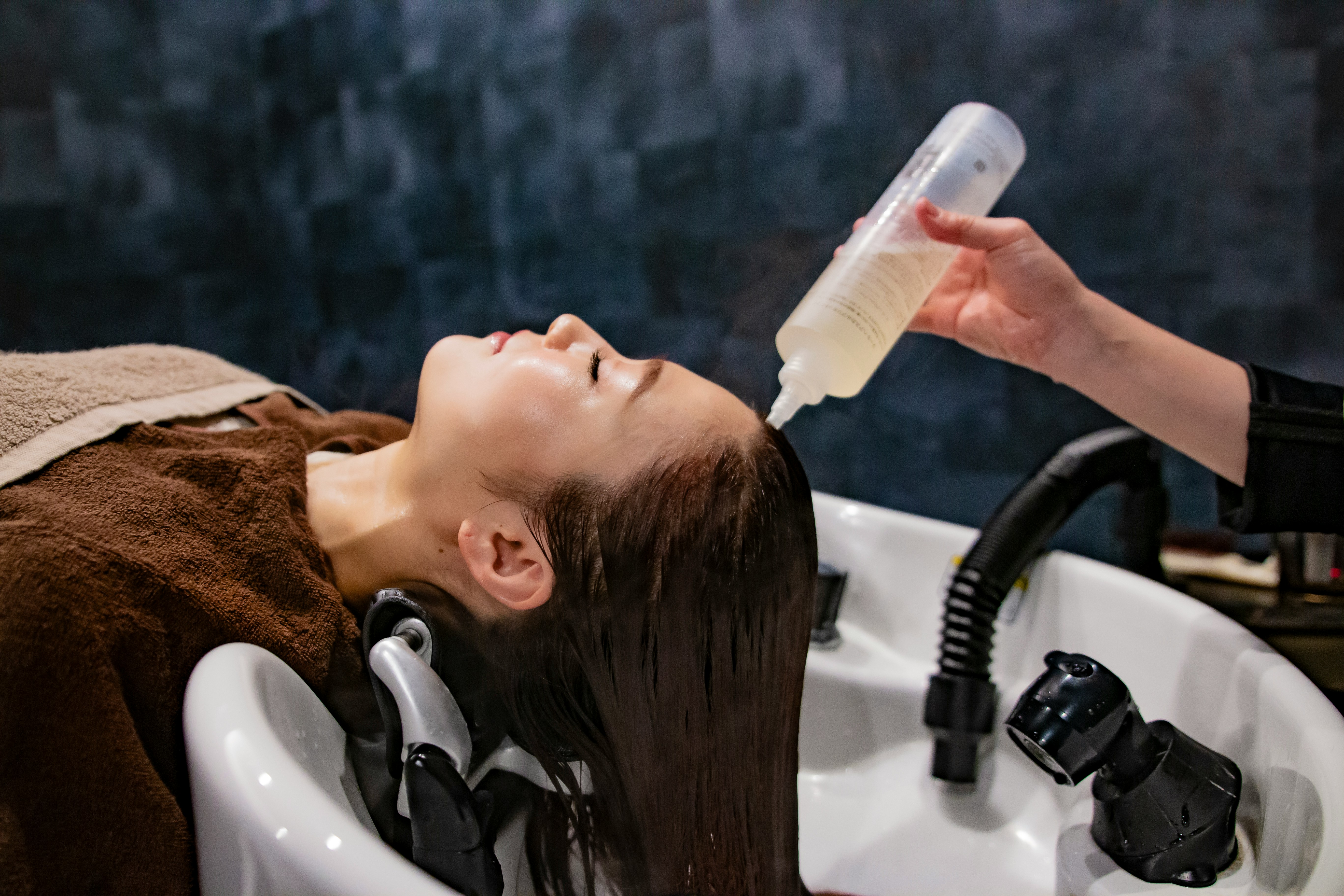
Another popular worry people have is that using conditioner increases hair fall. Dr Gurveen explains why this is incorrect. “Hair fall is losing hair from the root. Conditioner is not applied there. How can it cause hair fall?” she asks.
When you apply conditioner, it simply detangles and releases strands that had already shed but were stuck in the hair. So when you skip conditioner, you might see fewer strands in the drain – but that is only because they stayed stuck in your hair.
As the expert says, “What you think is hair fall is actually the hair that was already shed. Conditioner simply removes the loose strands.”
So no, conditioner is not the enemy. It does not make you lose extra hair; it just makes you notice the hair you were already losing naturally.
With the right information, you can stop worrying about these myths and focus on what actually keeps your hair healthy.
Disclaimer: This content including advice provides generic information only. It is in no way a substitute for a qualified medical opinion. Always consult a specialist or your doctor for more information. NDTV does not claim responsibility for this information.