

)
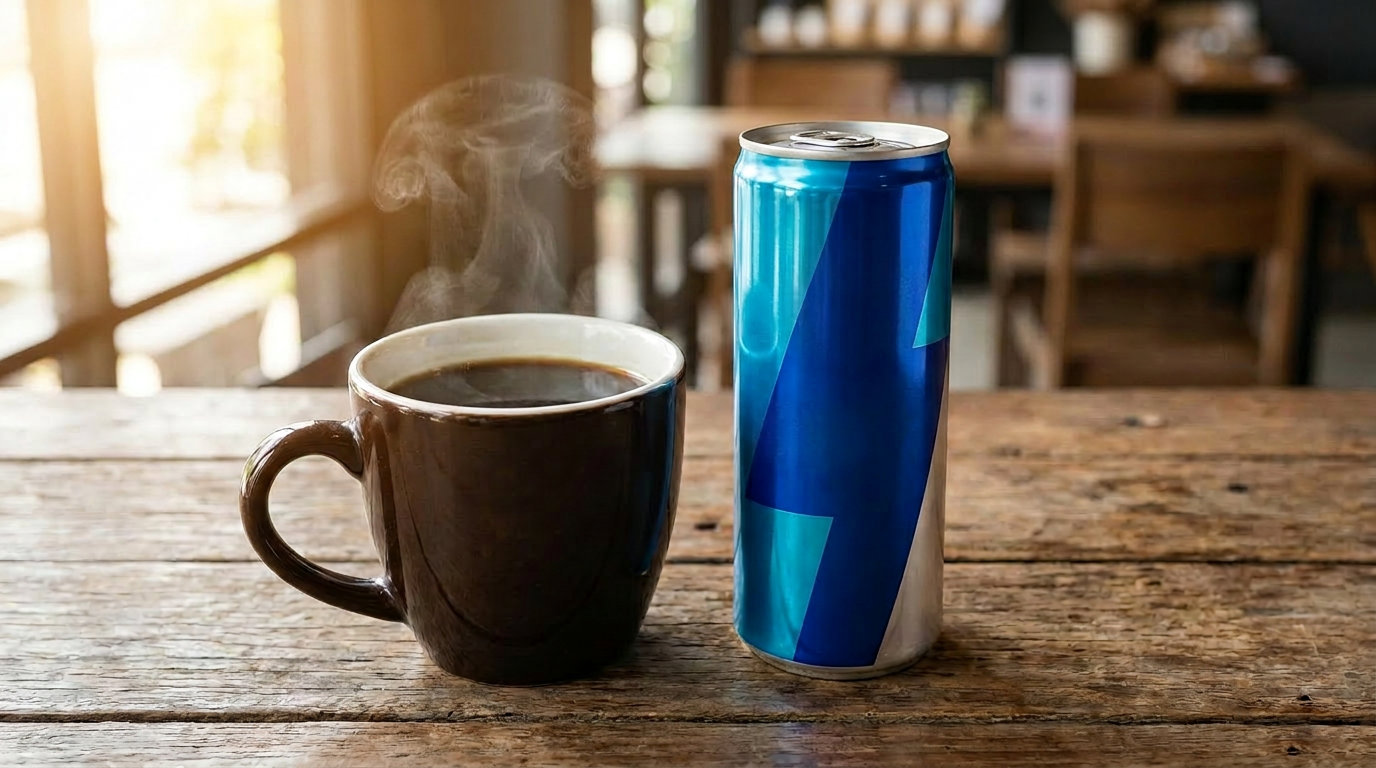
Coffee has been at the centre of several health debates for several years. Some people believe it raises blood pressure and harms the heart, while others swear by it. At the same time, energy drinks have become increasingly popular, especially among teenagers and young adults who want a quick boost of energy. Even though both of these beverages have caffeine, new research shows that they do not impact the body in the same way. A new scientific statement from the American Heart Association (AHA) published in the peer-reviewed journal Circulation titled "Caffeine and Cardiovascular Disease", suggests that moderate coffee consumption may actually support heart health in most adults.
On the other hand, energy drinks, which usually have large amounts of caffeine along with sugar and other stimulants, have been linked to harmful effects on the heart. Understanding the differences between the two drinks can help people make healthier choices.
What Does The New Study Say?
The American Heart Association reviewed years of research on caffeine and heart health and found that drinking up to 400 mg of caffeine daily, which is nearly four to five cups of regular brewed coffee, is generally safe for most healthy adults. Moderate coffee intake has even been linked to a lower risk of heart disease, stroke, heart failure, Type 2 diabetes, and some abnormal heart rhythms. However, these findings mainly apply to regular caffeinated coffee without excessive sugar, syrups or cream.
Why Coffee May Benefit Your Heart
Coffee is more than just caffeine. It contains hundreds of natural compounds, including antioxidants and polyphenols, which may help reduce inflammation and protect blood vessels. These compounds are believed to improve how the body uses insulin, reduce oxidative stress, and support healthy blood circulation.
Research also suggests that regular coffee drinkers may experience better long-term cardiovascular health than people who do not drink coffee at all. Scientists are still studying exactly how these protective effects work, but coffee's unique combination of natural compounds appears to play an important role.
Gregory M. Marcus, M.D., M.A.S., FAHA, a professor of medicine at the University of California, San Francisco School of Medicine and the associate chief of Cardiology for Research at the University of California, San Francisco Health, and Chair of the scientific statement volunteer writing group, said, "Caffeine consumed in coffee is a key part of daily life for millions of people, and in our review of the most recent research, for most adults, intake of up to 400 mg of caffeine/day, the equivalent of up to 5 cups of caffeinated coffee per day without added sugars or fillers, is safe and does not increase cardiovascular risk."
Why Are Energy Drinks Different
While energy drinks have caffeine, they are very different from coffee. Most energy drinks contain high amounts of caffeine packed into a small serving, along with large quantities of added sugar and other stimulants. These ingredients may work together to add extra stress on the heart.
Studies have linked energy drinks to sudden increases in blood pressure, faster heart rate, heart palpitations, and, in some cases, dangerous heart rhythm problems. These effects can occur even in young and otherwise healthy people, especially when several energy drinks are consumed within a short period.
Marcus said, "However, high doses of caffeine, such as those found in energy drinks including energy shots, may have harmful effects on the heart and should be avoided."
It's Not Just The Caffeine
Most people think that caffeine alone is responsible for both the benefits of coffee and the risks of energy drinks. However, experts say the picture is much more complex.
Coffee provides caffeine gradually and naturally alongside beneficial plant compounds. Energy drinks, on the other hand, often provide concentrated caffeine with large amounts of sugar and multiple stimulants that may increase the body's stress response. This combination can cause a rise in blood pressure and heart rate, placing extra strain on the cardiovascular system.
Does Coffee Increase Blood Pressure?
Coffee can cause a temporary rise in blood pressure, particularly in people who do not drink it regularly. However, current evidence suggests that moderate coffee consumption does not increase the risk of developing high blood pressure in most healthy adults. People who already have uncontrolled hypertension, heart disease, or are especially sensitive to caffeine should speak to their doctor about how much coffee is appropriate for them.
Coffee and energy drinks both contain caffeine, but they are not equal when it comes to heart health. The new study suggests that moderate consumption of plain coffee can be part of a healthy lifestyle and may even have cardiovascular benefits. Energy drinks, however, have high doses of caffeine with sugar and other stimulants that can increase the risk of high blood pressure and abnormal heart rhythms.
Disclaimer: This content including advice provides generic information only. It is in no way a substitute for a qualified medical opinion. Always consult a specialist or your own doctor for more information. NDTV does not claim responsibility for this information.