

)
Hypertension is often called a silent killer for a reason. Across India, millions of adults diligently swallow their prescribed anti-hypertensive pills every morning, cut back on their direct table salt intake, and yet find themselves staring in frustration at a digital monitor that stubbornly refuses to drop below 140/90 mmHg. When a clinical reading stays elevated despite medical intervention, it is easy to blame genetics or assume the prescription needs a higher dosage. However, research points out that the culprit is frequently much closer to home. Often, undetected daily habits and overlooked behavioral patterns quietly sabotage your vascular health behind the scenes.
If you are wondering why my blood pressure won't go down with medication, it is time to look closely at your lifestyle. Understanding how lifestyle errors cause behavioural pressure is essential to reversing this trend. Here are 5 common mistakes that keep your blood pressure high and how to fix them immediately to support natural endocrine system regulation and cardiovascular health.
5 Common Mistakes Keeping Your Blood Pressure High
1. Miscalculating Sodium In Hidden Ultra-Processed Foods
Most people believe they have successfully tackled the dietary sodium problem simply by hiding the tabletop salt shaker. Unfortunately, the real danger does not come from what you sprinkle on your home-cooked dal or sabzi. Modern clinical research shows that up to 75% of the sodium consumed in urban households is hidden within ultra-processed, packaged foods.
Commercial items such as store-bought bread, packaged soups, instant noodles, pickles, packaged papads, and breakfast cereals that rely heavily on sodium as a preservative and flavour enhancers can damage internal health. This excess sodium draws fluid into your bloodstream, expanding blood volume and placing continuous pressure on delicate arterial walls.
To discover how to keep your blood pressure low, you must move past the front of the packaging and read the nutrition labels carefully. Look for hidden sodium traps and prioritize fresh, whole foods to prevent causes of chronic hypertension.
2. Ignoring Potassium Intake And Its Role In Fluid Balance
When it comes to blood pressure management, sodium usually steals the spotlight, while potassium is often overlooked. This is a critical medical oversight. In human biology, sodium and potassium operate in a dynamic, inverse relationship to manage cellular fluid balance.
Think of potassium as a natural diuretic that helps your kidneys flush out excess sodium through urine while simultaneously relaxing the smooth muscles of your blood vessels. If your diet is low in fresh vegetables, leafy greens, and whole grains, you may develop subtle potassium deficiency symptoms that make your body retain fluid, causing your blood pressure to climb. Shifting your focus toward a potassium-rich diet is a cornerstone of managing hypertension naturally.
3. Relying On Inaccurate Home Monitoring Techniques
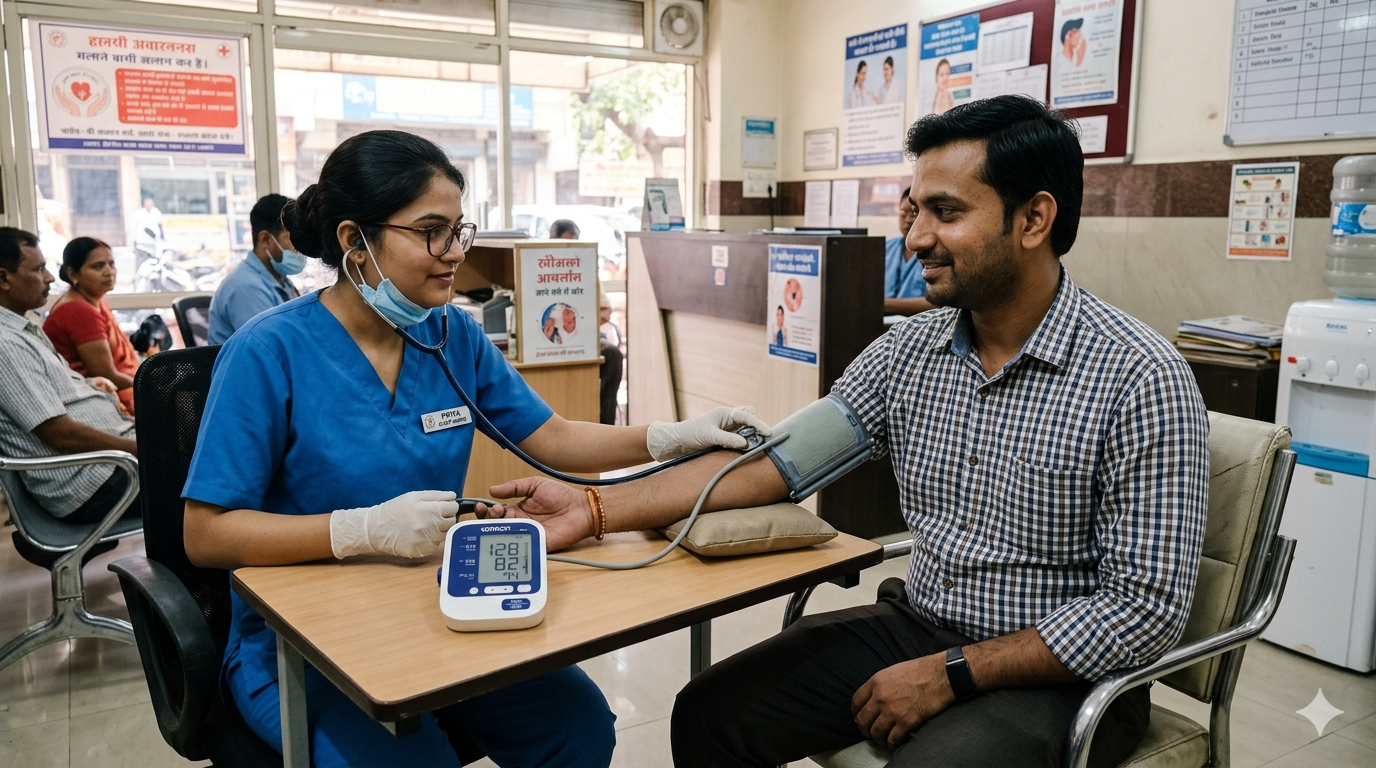
Regular home monitoring is excellent for tracking vascular health, but improper technique can easily distort your readings. Taking a measurement right after walking up a flight of stairs, while sitting with crossed legs, or while checking stressful work emails can cause systolic blood pressure spikes. These false readings often cause unnecessary anxiety, which further raises your numbers.
Proper Cuff Placement Protocol:
Always sit quietly for a full 5 minutes before pressing start. Ensure your feet are flat on the floor, your back is fully supported, and your arm rests at heart level. Avoid talking or looking at digital screens during the measurement to prevent common home blood pressure monitoring mistakes.
4. Underestimating The Impact Of Chronic Mental Stress
Many people treat psychological stress as a temporary emotional hurdle rather than a physical medical concern. However, ongoing mental stress acts as a direct, physical driver of cardiovascular strain. When you face constant workplace pressure or recurring personal anxieties, your adrenal glands continuously pump out stress hormones like cortisol and adrenaline.
This constant hormonal surge forces your heart to beat faster and constricts your blood vessels, creating hidden lifestyle traps driving chronic high blood pressure. Over time, these frequent stress spikes can damage the delicate vascular elasticity of your arteries, making them stiff and less able to adapt to changing blood flow.
5. Compromising On Restorative Nighttime Sleep
In today's fast-paced, always-connected world, sacrificing sleep to handle a long to-do list has become incredibly common. However, sleep is not a passive luxury, it is an active cardiorespiratory reset. During deep sleep, your body naturally enters a healing phase where your heart rate slows, and your blood pressure drops by 10% to 20%. This physiological dip gives your blood vessels a crucial break to rest and recover.
Consistently sleeping less than six hours a night disrupts this natural restorative cycle. This lack of rest keeps your sympathetic nervous system overactive during the day, which can cause long-term damage to your blood vessels. Making quality sleep a non-negotiable priority is one of the most effective cortisol reduction strategies available for long-term health.
Managing chronic hypertension involves much more than just taking a daily pill. By recognising and fixing these subtle daily mistakes, you can significantly lower your numbers and help your recognising stem regain its natural balance.
Also Read: Many Indians Don't Know Their Blood Pressure Numbers: Doctor Explains Screening Gap
Disclaimer: This content including advice provides generic information only. It is in no way a substitute for a qualified medical opinion. Always consult a specialist or your own doctor for more information. NDTV does not claim responsibility for this information.