

)
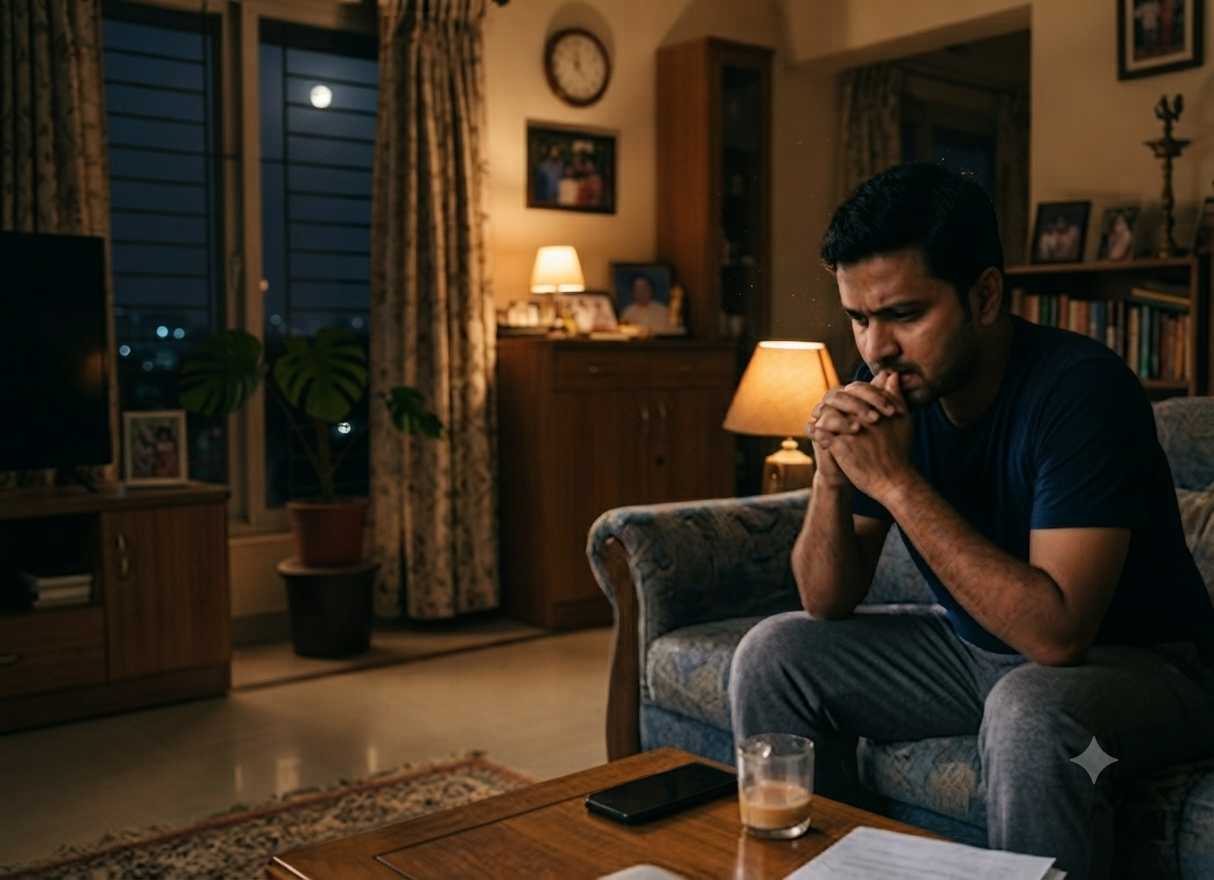
Staying awake past midnight has become a common habit that is negatively affecting the health of those who do so. Be it doom-scrolling in bed, watching a show, or working overtime past midnight, any cause of indulging in this risky habit can prove disastrous for your health. Many people report feeling emotionally stable throughout the day but feeling anxious after midnight as their circadian rhythm (internal body clock) gets disrupted. Research published in the Frontiers of Network Physiology Journal highlights that a disrupted sleep pattern can be attributed to hormonal changes or the brain's reduced ability to regulate emotions at night, as it is supposed to be asleep.
The concept of sudden anxiety after staying awake past midnight is termed 'midnight anxiety', which can affect your sleep latency. This anxiety can make you feel worse at night, as the brain demands rest after functioning all day, and forcefully keeping it awake can backfire.
Why Does Anxiety Often Feel Worse After Midnight?
Midnight creates an environment that has a minimal amount of distractions, which leaves more room for the brain to wander. This constant overthinking and anxious state pushes the brain into fatigue. These aspects can weaken your emotional resilience and affect your emotional health.
During midnight, the brain becomes more reactive to negative thoughts, as it is in a reactive mode. The brain's pathways are hyperactive as the level of outside stimuli is bare minimum.
The Role Of Your Circadian Rhythm
The body functions based on an internal clock that is based on biological processes. Sleep hormones regulate it as they determine if your brain will be alert or should be asleep.
Causes such as late-night screen exposure, irregular dinnertime, sleep schedules, shift work, or frequent bouts of sleep deprivation can worsen midnight awakeness.
How Sleep Loss Changes Brain Function
Research published in the Neuroscientist journal points to changes in the brain when it is sleep-deprived. The specific area of the brain that is affected due to sleep loss is the amygdala that is responsible for processing fear and emotional responses.
It can become hyperactive when sleep deprivation lasts for a long period, causing anxiety to affect your mindset.
Another part of the brain that is affected due to sleep loss is the prefrontal cortex, which is responsible for regulating emotions and decision-making. It tends to function less efficiently when your brain is tired and unable to function properly.
Primarily, these two parts of the brain cause greater emotional sensitivity as well as increased anxiety and worry.
Stress Hormones And Midnight Anxiety
The vicious cycle of high cortisol, poor sleep, and midnight anxiety can occur when the stress responses by your body are overloading the brain.
An excess secretion of adrenaline can shift your brain into a mode of racing thoughts, rapid heart rate, restlessness, and even trigger panic-like symptoms.
Why Overthinking Peaks At Night
The brain tends to overthink during nighttime, as there are fewer external distractions. So, the brain is forced to focus on unresolved concerns that reside in your brain. The brain can suffer from a tendency toward catastrophic thinking. Loneliness and quiet environments can intensify worries, as a lack of social connection can worsen your anxiety.
Habits That May Be Triggering Late-Night Anxiety
Late-night anxiety can also be attributed to lifestyle habits such as the following:
- Excess caffeine
- Energy drinks
- Alcohol before bed
- Doomscrolling
- Working late
- Irregular sleeping patterns
- High stress levels
Signs Your Anxiety May Be Linked To Sleep Deprivation
Anxiety can be linked to sleep deprivation, as a tired brain is more anxious. If you happen to experience these signs, then you need to change your sleeping patterns, as it is affecting your brain health:
- Feeling anxious mostly at night
- Difficulty concentrating
- Irritability
- Frequent waking
- Daytime fatigue
- Increased emotional sensitivity
How To Prevent Sudden Anxiety After Midnight
Sudden anxiety can only be tackled when you actively change your nighttime routine, as it is damaging your brain health. Here is how you can do so:
- Maintain a consistent sleep schedule that involves sleeping and waking up at consistent times.
- Reduce screen exposure by avoiding screens at least 1 hour before bed.
- Limit caffeine intake, especially after afternoon hours, as the impact on your sleep quality has been researched.
Try practising relaxation techniques such as the following:
- Deep breathing
- Meditation
- Gentle stretching
- Journaling
These activities can help you easily slip into a mental rest mode and increase your sleep latency. And get better quality sleep as the disruptors to sleep have been reduced. By creating a bedtime routine that you can easily follow, and this can send a clear signal to your brain to wind down.
When To Seek Professional Help
If you are consistently suffering from sleep deprivation, then to avoid dealing with the fallout of your physical and mental health, seeking professional help is necessary. Here is what should warrant expert help:
- Anxiety becomes frequent.
- Sleep problems persist for weeks.
- Panic attacks occur.
- Daily functioning is affected.
It is important to consider your sleep with the importance it deserves, as your brain needs restful sleep to function optimally. You need to prioritise when and how you fall asleep every night to make sure your brain is able to clear out the metabolic waste it has accumulated throughout the day.
Disclaimer: This content including advice provides generic information only. It is in no way a substitute for a qualified medical opinion. Always consult a specialist or your own doctor for more information. NDTV does not claim responsibility for this information.