

)
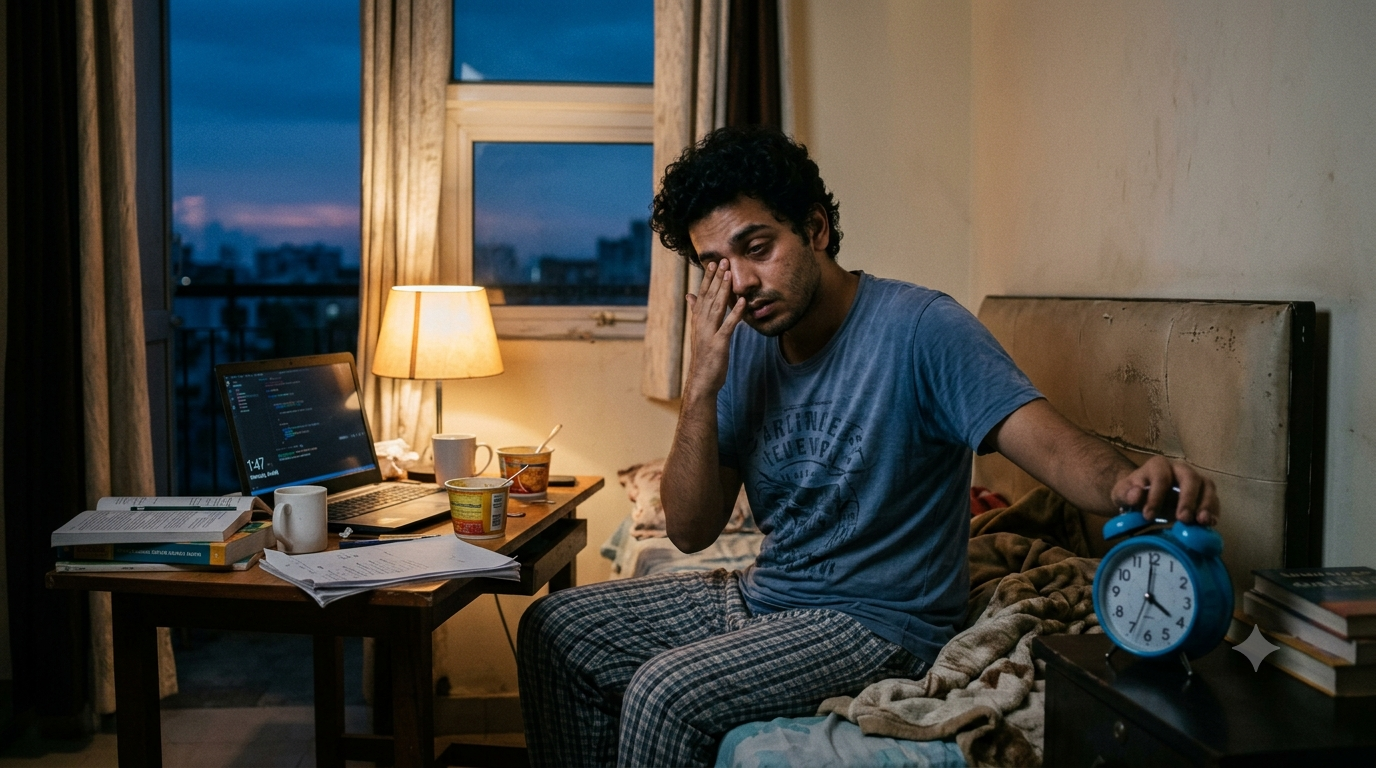
Many people assume that if they manage to wake up early, they're getting enough rest even after going to bed late. But psychiatrists warn that consistently sleeping too little can silently affect both physical and mental health, even if you don't immediately notice the consequences. Adults generally need 7-9 hours of quality sleep each night. Regularly staying up late while waking up early reduces the brain's time to recover, process emotions, consolidate memories, and restore the body. Over time, this sleep debt can increase the risk of several health problems. According to Dr. Samant Darshi, Consultant Psychiatrist, De-addiction Specialist & Neuromodulation Expert, Psymate Healthcare, Noida, chronic lack of sleep affects far more than just energy levels. "The brain requires enough sleep to restore itself, process emotions, and store memories. Lack of sleep may lead to increased stress levels, inability to concentrate, make decisions and work productively,"says Dr Darshi.
Why Is Too Little Sleep Harmful?
According to the Psychiatrist, sleep is the body's natural recovery period. During deep sleep, the brain clears metabolic waste, repairs cells, regulates hormones, and strengthens memory. When sleep duration is repeatedly shortened, these essential processes remain incomplete, leading to both short-term and long-term health effects.
Also read: Are You Overcaffeinated? Signs You Are Consuming Too Much Caffeine
Early Warning Signs Your Body May Show
Sleep deprivation often begins with subtle symptoms that people mistake for a busy lifestyle. Dr. Darshi says early warning signs include:
- Feeling tired despite resting
- Depending on coffee to stay alert
- Frequent daytime naps
- Difficulty concentrating
- Poor decision-making
- Reduced productivity
These symptoms may gradually worsen if healthy sleep habits are not restored.
Your Mood May Change Too
Sleep plays a major role in regulating emotions. "Changes in mood such as irritability, increased anxiety, and emotional distress even in situations that are considered normal occur because lack of sleep affects neurotransmitters like dopamine and serotonin, which regulate mood," explains Dr. Darshi. People may become more emotionally reactive, impatient, or overwhelmed by everyday situations.
Your Brain Doesn't Function At Its Best
Poor sleep can significantly impair cognitive performance. According to Dr. Darshi, insomnia or chronic sleep restriction may lead to:
- Forgetfulness
- Reduced focus
- Slower reaction time
- Difficulty learning new information
- Reduced creativity
Over longer periods, inadequate sleep has also been linked to an increased risk of depression, anxiety disorders and cognitive decline.
Your Physical Health Can Suffer
The effects of poor sleep extend well beyond the brain. Dr. Darshi warns that chronic sleep deprivation may:
- Weaken the immune system
- Increase blood pressure
- Raise the risk of obesity
- Increase the likelihood of developing type 2 diabetes
Sleep is therefore considered a cornerstone of overall metabolic and cardiovascular health.
Also read: India Among Global Hotspots For Climate-Related Sleep Loss, Highest In Tamil Nadu: Report
Why Do Some People Wake Up Too Early?
If you consistently go to bed late but still wake up much earlier than planned, several factors could be responsible. "Stress, screen time at night, caffeine consumption, irregular work schedules, or undiagnosed sleep disorders may all cause poor-quality sleep," says Dr. Darshi. In some cases, persistent early morning awakening can also be associated with anxiety or depression.
How To Improve Your Sleep
Healthy sleep habits can often make a significant difference. Dr. Darshi recommends:
- Aim for 7-9 hours of sleep every night.
- Go to bed and wake up at the same time daily.
- Avoid screens before bedtime.
- Limit caffeine late in the day.
- Keep your bedroom quiet, dark and comfortable.
- Follow a relaxing bedtime routine.
Consistency is often more important than trying to "catch up" on sleep during weekends.
When Should You See A Doctor?
Occasional poor sleep is common, but persistent sleep problems deserve medical attention. "If you experience early morning awakenings for several weeks along with persistent low mood or anxiety, consult a doctor," advises Dr. Darshi. Early evaluation can help identify underlying sleep disorders, mental health conditions or lifestyle factors contributing to poor sleep. Sleeping late while waking up early may seem manageable initially, but consistently getting too little sleep can affect your mood, memory, concentration, immunity and long-term health. Feeling tired despite resting, increased anxiety, irritability and difficulty focusing are all signs that your body may not be getting the recovery it needs.
Experts recommend prioritising 7-9 hours of quality sleep, maintaining a regular sleep schedule and seeking medical advice if sleep problems persist for several weeks or begin affecting your daily life.
Disclaimer: This content including advice provides generic information only. It is in no way a substitute for a qualified medical opinion. Always consult a specialist or your own doctor for more information. NDTV does not claim responsibility for this information.