

)
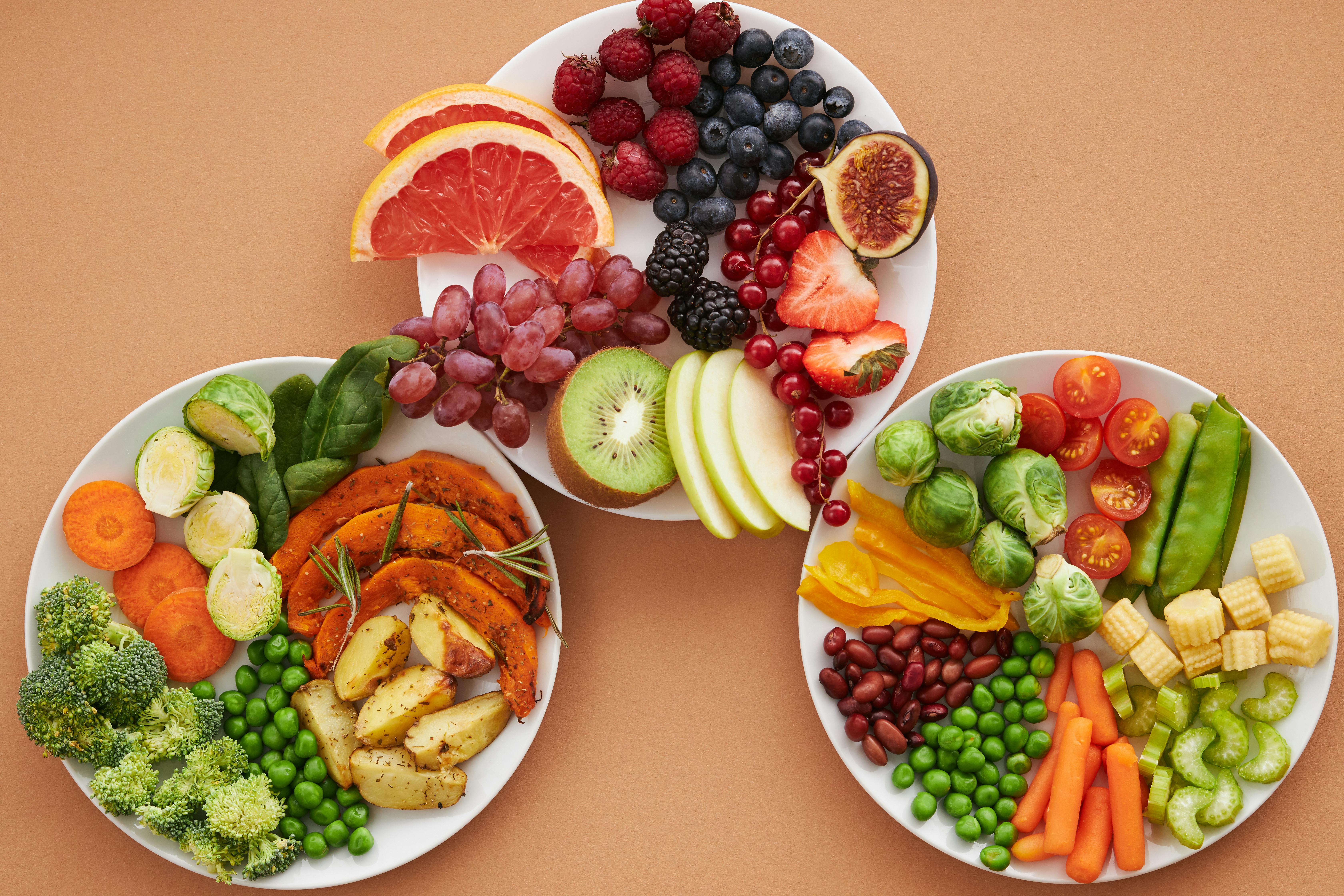
Heart disease is one the leading causes of death across the world. The World Health Organization (WHO) says that cardiovascular diseases (CVDs) are the leading cause of death globally. It says that an estimated 19.8 million people died from CVDs in 2022, representing approximately 32% of all global deaths. "Of these deaths, 85% were due to heart attack and stroke." A majority of these cases can be prevented through simple lifestyle changes. Among these, eating more fruits and vegetables remains one of the easiest and most effective ways to improve heart health. These foods are packed with vitamins, minerals, fibre, and natural antioxidants that help keep the heart and blood vessels healthy while reducing the risk of several chronic diseases.
A recent review published in Cardiovascular Innovations and Applications has provided more evidence to support this advice. Researchers found that increasing the intake of fruits and vegetables can significantly lower the risk of cardiovascular disease by improving blood pressure, cholesterol levels, blood sugar control, inflammation, and overall heart function. The findings highlight the importance of making plant-based foods a regular part of everyday meals.
What Did The Study Find?
The researchers reviewed existing scientific evidence on how fruits and vegetables affect heart health. They found that people who eat more fruits and vegetables are less likely to develop cardiovascular diseases such as heart attacks, strokes, and high blood pressure.
The study highlighted that these foods work through multiple pathways. Instead of protecting the heart in just one way, they improve several risk factors at the same time. This makes them an important part of a heart-friendly diet.
How Fruits And Vegetables Protect Your Heart
Fruits and vegetables contain several nutrients that help the cardiovascular system.
- Dietary fibre: Helps reduce bad (LDL) cholesterol by limiting its absorption in the body. Fibre also supports healthy digestion and helps maintain a healthy weight.
- Potassium: Helps control blood pressure by balancing sodium levels in the body.
- Antioxidants: Vitamins C and E, along with plant compounds such as flavonoids and carotenoids, protect blood vessels from damage caused by oxidative stress.
- Anti-inflammatory compounds: Chronic inflammation is linked to heart disease. Fruits and vegetables contain compounds that help reduce inflammation.
- Nitrates in vegetables: Leafy greens such as spinach and beetroot contain natural nitrates that help improve blood vessel function and support healthy blood pressure.
They Can Help Lower Blood Pressure
High blood pressure is one of the biggest risk factors for heart disease and stroke.
Many fruits and vegetables are naturally rich in potassium, magnesium, and other nutrients that help to relax blood vessels and improve blood flow. Increasing their intake while reducing foods high in salt can help maintain healthier blood pressure levels over time.
Even modest improvements in blood pressure can reduce the risk of serious cardiovascular problems.
They Support Healthy Cholesterol Levels
A diet rich in fruits and vegetables can also improve cholesterol levels.
Soluble fibre, found in foods such as apples, oranges, pears, and legumes, helps lower LDL or "bad" cholesterol. At the same time, replacing processed snacks and foods high in saturated fat with fresh produce may further improve heart health.
Experts recommend combining fruits and vegetables with other healthy foods such as whole grains, nuts, pulses, and healthy fats for maximum cardiovascular benefit.
Eating A Variety Is Better
The review suggests that different fruits and vegetables provide different health benefits because they contain different nutrients and plant compounds.
For example:
- Green leafy vegetables are rich in folate, magnesium, and nitrates
- Orange and yellow vegetables provide beta-carotene
- Berries are rich in anthocyanins and antioxidants
- Citrus fruits contain vitamin C and flavonoids
Including a mix of fruits and vegetables ensures that the body receives a wider range of protective nutrients.
Disclaimer: This content including advice provides generic information only. It is in no way a substitute for a qualified medical opinion. Always consult a specialist or your own doctor for more information. NDTV does not claim responsibility for this information.