

)
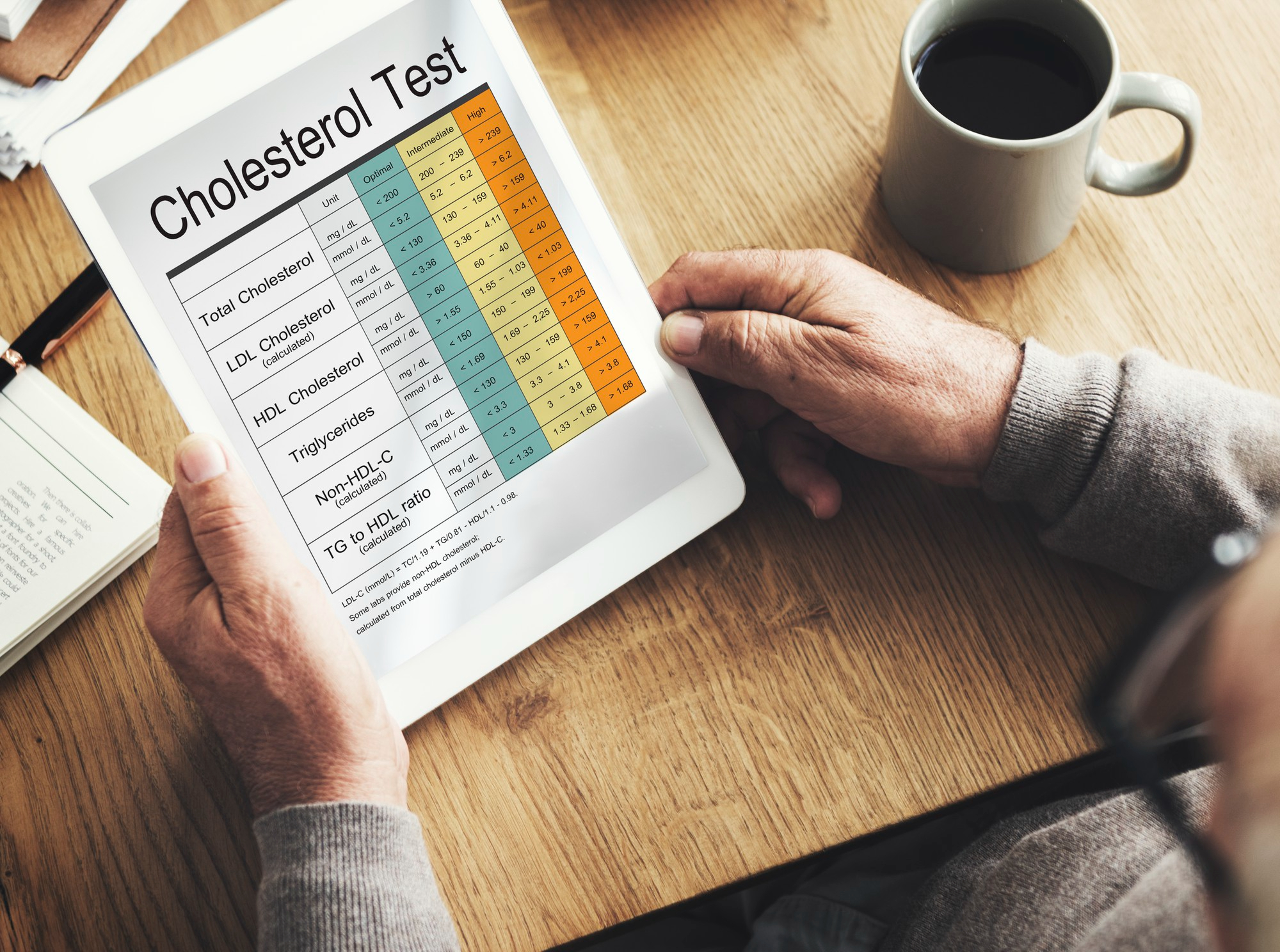
Most people notice their overall cholesterol number in their blood report and draw conclusions based on the value in front of them. The blood report generally shows a range for the overall cholesterol level in the body. But heart health assessment requires an overview of low-density lipoprotein (LDL), high-density lipoprotein (HDL), and triglycerides, which present a holistic image of what is happening with your heart inside your body. These heart health markers are responsible for complete cardiovascular risk, and the exact figure needs to be considered in a medical analysis.
Elevated cholesterol level remains one of the leading causes of heart disease, which remains one of the leading causes of death in India. According to the Indian Heart Journal, abnormal cholesterol levels are prevalent in both urban and rural populations, making it a prominent public health concern. This is why knowing your cholesterol ratio becomes necessary, as it leads to heart disease when left unchecked.
What Is A Cholesterol Ratio?
A cholesterol ratio can be calculated using a formulated tool, but it is generally the ratio of total cholesterol divided by HDL (good) cholesterol. This ratio determines your heart disease risk, as the % of good cholesterol in your body protects your heart and its functioning. But if the ratio is more than 3.5 to 1, then the risk of heart disease persists. You need to adjust your lifestyle and dietary habits accordingly to make your heart healthy.
How To Calculate Your Cholesterol Ratio
You can calculate your exact cholesterol ratio by taking the figure mentioned in your blood report; for instance, if your total cholesterol level is 200 mg/dL and your HDL is 50 mg/dL, the ratio is 4:1. Then, your exact cholesterol ratio can be calculated by dividing the total cholesterol level by the HDL level.
Ratio = 200 divded by 50 = 4
It is important to note that each of these health markers makes up a certain % in your body based on normal medical parameters. Here is what each of their ideal % looks like:
HDL cholesterol makes up 20-30 percent of a person's total cholesterol level.
LDL ("bad") cholesterol makes up 60-70 per cent of the total in the body.
Another heart health marker known as very-low-density lipoprotein (VLDL) is a precursor to LDL and makes up about 10-15 per cent of a person's total cholesterol.
When these percentages increase or decrease, then the risk of heart disease also increases or decreases accordingly.
What Is Considered A Healthy Cholesterol Ratio?
A healthy cholesterol ratio scale can indicate the following results:
- Below 3.5 = Optimal
- Around 4 = Good
- Above 5 = increased heart disease risk.
- Above 6 = High-risk category
A lower cholesterol ratio signals better heart health protection, so knowing this value is essential if you want to safeguard your heart health.
Why HDL Cholesterol Plays A Key Role
Research published in the Frontiers in Cardiovascular Medicine journal suggests that HDL, or good cholesterol, plays an active role in protecting the heart's arteries. Consuming certain foods consistently alongside practising heart-healthy lifestyle habits can improve your HDL%, which can improve your cholesterol ratio.
The specific function of HDL is its ability to reduce plaque build-up that makes the heart's arteries narrow and restrict blood flow.
It also functions as an anti-inflammatory, as chronic inflammation increases the progression of heart disease and potentially vascular damage to the heart's muscles.
Can Your Cholesterol Ratio Predict Heart Disease Risk?
Yes, according to the European Heart Journal, a lower ratio translates to lower heart disease risk. A higher cholesterol ratio means that there is a high potential that plaque build-up in your body is constricting blood flow to your heart.
Dr Vinayak Agrawal, Senior Director and Head, Non-Invasive Cardiology, Fortis Gurgaon, explains, "A normal cholesterol report is often taken as reassurance that the heart is healthy. In practice, this assumption is being challenged more frequently, with heart attacks occurring in individuals whose routine reports do not indicate high risk."
This is why doctors assess multiple heart health markers, such as:
- LDL cholesterol
- HDL cholesterol
- Triglycerides
- Blood pressure
- Diabetes status
Factors That Can Worsen Your Cholesterol Ratio
Certain lifestyle factors that are linked to heart disease risk influence your heart health. You need to assess your overall lifestyle and determine if you are putting undue stress on your heart. If you can change these habits to preserve your heart health, here are the factors that need your attention:
- Smoking
- Sedentary lifestyle
- Obesity
- Processed foods
- High sugar intake
- Diabetes
- Genetic conditions
7 Expert-Backed Ways To Improve Your Cholesterol Ratio
In order to improve your cholesterol ratio, you need to practise scientifically proven heart-healthy habits that can be easily adopted. Here is what you need to do:
1. Increase physical activity as you need to build your heart's endurance.
2. Eat more soluble fibre to make sure your gut functions properly, as the essential nutrients reach the heart.
3. Choose healthy fats to increase your HDL cholesterol level.
4. Include nuts and seeds in your diet, as they have proven heart-health benefits.
5. Quit smoking, as it can weaken your heart's functioning.
6. Reduce ultra-processed foods that make your internal health weaker.
7. Maintain a healthy weight to make sure your heart can function the way it is supposed to.
When Should You Get Your Cholesterol Checked?
You should go for a cholesterol check as per your age. Those who are in their 20s or 30s need annual heart health check-ups that should involve a cholesterol check. But provided they don't have genetic risk factors that increase their chances. If heart disease runs in your family, then you need to go for more frequent screening to get a clear picture of your heart health.
Those who are :
- Adults over 40 need a cholesterol check.
- Diabetes patients require frequent cholesterol checks.
- People with a family history of heart disease need to consult a cardiologist to determine the exact frequency of cholesterol checking required.
- Individuals with obesity or hypertension need to keep their cholesterol in check to avoid health complications.
Why Your Heart Health May Need Attention
Heart health requires an assessment of multiple heart health markers that signal any risk of heart disease. When your HDL, LDL, triglycerides, and overall cholesterol ratio are considered, only then can a cardiologist say with absolute certainty what your risk of heart disease looks like. An elevated cholesterol level doesn't show any symptoms, which is why regular screening and annual health check-ups are necessary.
To safeguard your heart health, you need to balance monitoring your internal well-being with medically necessary heart health check-ups.
Also Read: Can You Still Have A Heart Attack After A Stent? What Patients Need To Know
Disclaimer: This content including advice provides generic information only. It is in no way a substitute for a qualified medical opinion. Always consult a specialist or your own doctor for more information. NDTV does not claim responsibility for this information.