

)
Lower body strength plays a very important role in keeping the body active, stable, and independent. The muscles in your hips, thighs, legs, and calves support your body for almost every movement, whether you are walking, climbing stairs, getting out of a chair, or carrying groceries. When you have strong lower-body muscle, it helps improve balance, posture, and coordination. It also makes everyday activities easier and reduces the risk of falls and injuries.
Regular exercise can help build and maintain lower-body strength while also improving joint health and overall fitness. Strong leg and hip muscles can reduce pressure on the knees and lower back, making movement more comfortable. They also support better athletic performance, whether you enjoy running, cycling, or simply staying active. Along with a healthy diet and proper rest, a lower-body workout routine can be beneficial. Here are some exercises that can help to improve lower body strength.
Exercises To Improve Lower Body Strength
1. Squats
Squats are one of the best exercises for building lower-body strength because they work several muscle groups at the same time. They target the quadriceps, hamstrings, glutes, and core. To perform a squat, stand with your feet shoulder-width apart. Keep your chest up and bend your knees as if you are sitting back into a chair. Lower yourself until your thighs are nearly parallel to the floor, then push through your heels to stand back up. Start with two to three sets of 10 to 15 repetitions.
2. Lunges
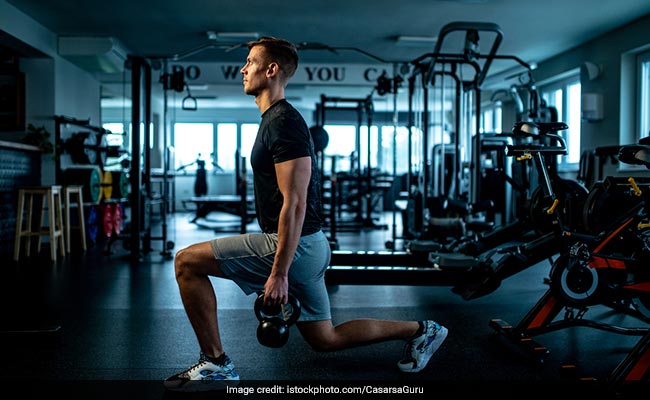
Lunges help strengthen each leg, making them excellent for improving balance, coordination, and muscle stability. They work the quadriceps, hamstrings, glutes, and calves. Stand tall and take a step forward with one leg. Lower your body until both knees form roughly 90-degree angles. Push through the front heel to return to the starting position, then switch sides. Perform 10 to 12 repetitions on each leg. If needed, hold on to a wall or chair for support.
3. Glute Bridges
Glute bridges are effective for strengthening the glutes, hamstrings, and lower back. They are especially helpful for people who spend long hours sitting, as prolonged sitting can weaken the glute muscles. Lie on your back with your knees bent and feet flat on the floor. Press through your heels and lift your hips until your body forms a straight line from your shoulders to your knees. Squeeze your glutes at the top, hold for a second, and slowly lower back down. Repeat for 12 to 15 repetitions.
4. Step-Ups
Step-ups mimic everyday movements like climbing stairs and improve strength, balance, and coordination. They mainly target the quadriceps, glutes, hamstrings, and calves. Stand in front of a sturdy bench, step, or platform. Step onto it with one foot, press through your heel, and bring the other foot up before stepping back down. Alternate the leading leg with each repetition. Perform 10 to 12 repetitions per leg.
5. Romanian Deadlifts
Romanian deadlifts strengthen the hamstrings, glutes, and lower back while improving hip mobility. This exercise is great for developing the muscles along the back of the body. Stand with your feet hip-width apart while holding dumbbells or a barbell. Keep a slight bend in your knees and hinge at your hips while lowering the weights close to your legs. Stop when you feel a stretch in the hamstrings, then return to standing by squeezing your glutes..
6. Calf Raises
Strong calf muscles are important for walking, running, jumping, and maintaining balance. Calf raises are simple but effective. Stand with your feet hip-width apart, holding on to a chair or wall if necessary. Raise your heels off the floor until you are standing on your toes, pause, and slowly lower your heels back down. Aim for two to three sets of 15 to 20 repetitions. Once this becomes easy, perform the exercise on one leg at a time or while holding light weights.
7. Wall Sits
Wall sits are an exercise which work the muscles without much movement. They help build endurance and strength in the quadriceps, glutes, and calves. Stand with your back against a wall and slowly slide down until your knees are bent at about 90 degrees, as though sitting in an invisible chair. Hold this position for 20 to 60 seconds while keeping your back flat against the wall. Repeat two to four times.
Disclaimer: This content including advice provides generic information only. It is in no way a substitute for a qualified medical opinion. Always consult a specialist or your own doctor for more information. NDTV does not claim responsibility for this information.