

Good posture is important for keeping the body balanced and comfortable. When the head, shoulders, spine and hips are properly aligned, the muscles and joints do not have to work harder to support the body. Good posture can also help reduce unnecessary strain during everyday activities such as sitting, standing, walking and working. However, long hours at a desk, excessive screen time and a sedentary lifestyle can lead to poor posture.
Poor posture may cause neck, shoulder and back discomfort and can make the body feel stiff and tired. Over time, constantly sitting or standing in an incorrect position can put extra stress on the spine and surrounding muscles. Regular exercise can help correct these habits by strengthening the muscles that support the spine, improving flexibility and increasing body awareness. Here are some exercises that can help improve your posture.
Exercises To Improve Your Posture
1. Cat-Cow Stretch
The cat-cow stretch helps improve flexibility in the spine and reduces stiffness caused by sitting for long periods. Start on your hands and knees, with your wrists below your shoulders and knees below your hips. Slowly round your back towards the ceiling, then lower your belly while lifting your chest and tailbone. Move between the two positions slowly. This can help you become more aware of your spine.
2. Wall Angels
Wall angels strengthen the upper back and help improve shoulder positioning. Stand with your back against a wall, keeping your head, upper back and hips as close to it as comfortably possible. Bend your elbows and raise and lower your arms slowly, like making a snow angel. Try not to shrug your shoulders or arch your lower back. This exercise can be useful for people who spend long hours working at a desk.
3. Glute Bridges
Weak glute muscles can affect the way the pelvis and lower back are positioned. Glute bridges help strengthen these muscles and support better alignment. Lie on your back with your knees bent and feet flat on the floor. Tighten your abdominal and glute muscles and slowly lift your hips. Hold briefly at the top before lowering them. Avoid pushing your hips too high or arching your lower back.
4. Bird-Dog
The bird-dog exercise works the core, back and hip muscles that help to keep the body stable. Start on your hands and knees. Slowly extend one arm forward while extending the opposite leg backwards. Hold for a few seconds, then return to the starting position and switch sides. Keep your hips level and avoid twisting your body. Building this type of stability can make it easier to maintain a good posture during everyday activities.
5. Chin Tucks
Chin tucks can help counter the forward-head posture that often happens while using phones, laptops or other screens. Sit or stand upright and gently draw your chin backwards, as though you are trying to make a small double chin. Do not look down or force your neck. Hold the position for a few seconds before relaxing. The movement should be gentle and should not cause pain or dizziness.
6. Plank
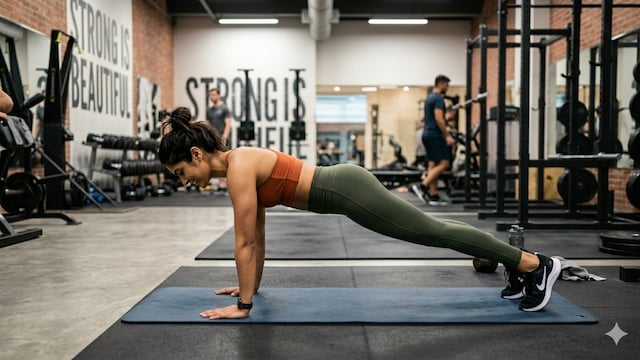
A plank strengthens several muscles that support the spine, particularly the abdominal and core muscles. Start by holding your body on your forearms and toes, keeping your body in a straight line. Tighten your abdomen and avoid letting your hips drop or rise too high. Beginners can start by holding the position for a shorter period and gradually increase the duration as their strength improves.
7. Chest Stretch
Tight chest muscles can pull the shoulders forward, contributing to a rounded upper back. A simple chest stretch can help improve flexibility in this area. Stand near a doorway, place your forearms against the door frame and gently step forward until you feel a comfortable stretch across your chest. Hold the position without bouncing. Stretching regularly can help counter the effects of spending long hours sitting or working at a computer.
8. Superman Exercise
The Superman exercise targets the muscles along the back and can help improve strength needed for maintaining an upright posture. Lie face down with your arms extended in front of you. Gently lift your arms, chest and legs slightly off the floor while keeping your neck neutral. Hold briefly and then lower yourself slowly. Do not lift too high or strain your lower back.
Disclaimer: This content including advice provides generic information only. It is in no way a substitute for a qualified medical opinion. Always consult a specialist or your own doctor for more information. NDTV does not claim responsibility for this information.