





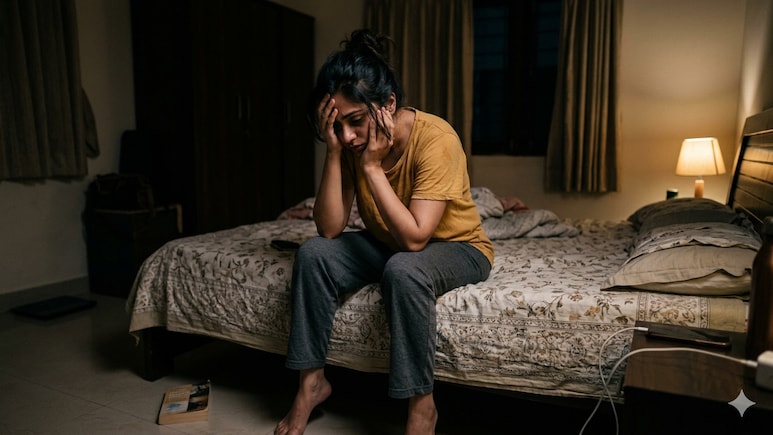
- Sleep fatigue causes tiredness despite adequate sleep duration
- Sleep apnoea disrupts breathing, fragmenting sleep without awareness
- Insomnia leads to light, broken sleep causing daytime exhaustion
Sleep is one of the most important things your body needs to stay healthy, focused, and energised. Just like food and exercise, good sleep benefits your health immensely. It helps your brain think clearly, your mood stays balanced, and your body repairs itself after a long day. When you get deep and uninterrupted sleep, you wake up feeling refreshed and ready to take on daily tasks. But if your sleep is poor, even several hours in bed may not be enough.
Sometimes, people feel tired all the time no matter how much they sleep. This constant exhaustion is known as sleep fatigue. It can quietly affect your work, mood, and personal life. It may happen due to physical health problems, mental health issues, or simple lifestyle habits that impact your rest. Here are some common causes that can cause sleep fatigue.
Causes Of Sleep Fatigue
1. Sleep Apnoea
Sleep apnoea is a breathing problem that happens during sleep. The airway in the throat becomes too narrow or closes for short periods, causing your breathing to stop and start repeatedly. Each time this happens, your brain gives a tiny 'wake-up' signal so you can breathe again. These may be so brief that you never consciously notice them, but they break your sleep into small pieces. As a result, you rarely reach or stay in the deep, restful stages of sleep. People with sleep apnoea often wake up feeling tired and like they never really slept, even though they were in bed for 7-8 hours.
2. Insomnia
Insomnia does not only mean "not sleeping", it also means sleep that feels unrefreshing. Someone with insomnia may take a long time to fall asleep, wake up several times during the night, or wake up too early and stay awake. Even if the total time in bed looks normal, the sleep is fragmented and light, so the body never fully recovers. This kind of broken sleep leaves you feeling foggy, irritable, and exhausted during the day.
3. Depression And Anxiety
Mental health conditions such as depression and anxiety are strongly linked to fatigue. Depression can impact your energy levels, making even small tasks feel draining. Some people sleep a lot yet still feel tired, while others lie awake at night, affected by worries or sadness. Anxiety keeps the mind in a state of alertness, even when you are trying to rest. This mental tension makes it hard to relax deeply, so sleep never feels complete.
4. Chronic Health Conditions
Several long-term illnesses such as heart disease, lung disease, diabetes, kidney problems, or chronic infections, force the body to work harder just to maintain basic functions. This extra effort uses up energy that would otherwise help you feel alert and active. At the same time, pain, breathing discomfort, or frequent trips to the bathroom at night can interrupt your sleep. Conditions like fibromyalgia or chronic pain also make it hard to lie still or relax.
5. Hypersomnia
Hypersomnia is the opposite of not sleeping enough. It means you feel extremely sleepy during the day, even though you sleep for long hours and may take naps. People with hypersomnia often wake up with a heavy, 'sleepy drunk' feeling and struggle to get it off, no matter how much they rest. This condition can be "primary" (it runs on its own) or "secondary" (caused by other problems such as sleep apnoea, brain injury, or certain medications). Since the brain does not transition smoothly between sleep and wakefulness, the person feels drowsy and foggy most of the time.
6. Lifestyle And Sleep Habits
Lifestyle choices can quietly sabotage sleep quality. Eating heavy, spicy, or large meals late at night, drinking alcohol, using phones or laptops in bed, or exercising too close to bedtime can make it harder to fall into deep sleep. Similarly, a very irregular sleep schedule, going to bed and waking up at widely different times, confuses your internal clock. Dehydration, lack of physical activity, or diets too low in calories or nutrients can also leave you feeling low on energy and sluggish during the day.
Disclaimer: This content including advice provides generic information only. It is in no way a substitute for a qualified medical opinion. Always consult a specialist or your own doctor for more information. NDTV does not claim responsibility for this information.
Track Latest News Live on NDTV.com and get news updates from India and around the world

