

)
Occasional naps are common as people advance in age, but there are aspects involved like their frequency that poses health risks. When daytime napping becomes persistent or too much sleepiness becomes the norm, then certain daytime napping could be a concerning factor, as the research published in the Frontiers of Medicine suggests that extreme sleepiness during the day could be an early warning sign of health risks, particularly in older adults. The prevalence of napping in older adults ranges from 20% to 60% in different studies, but has been consistently reported to be higher than in other age groups. The research pinpoints that age-related changes in circadian rhythm and sleep patterns, cultural beliefs, chronic conditions, medications, and lifestyle changes contribute to the high prevalence of napping in older adults.
How Sleep Patterns Change With Age
Sleep patterns change with age as individuals adapt to various lifestyles of working, studying, and living according to their specific needs. Sleep patterns tend to evolve in the same manner, but the baseline that should be fulfilled as per age is required for proper cognitive functioning. Older adults need quality sleep daily, as poor sleep can contribute to a higher risk of physical and mental health disorders such as depression and anxiety, dementia, obesity, hypertension, cardiovascular disease, and stroke. The Sleep Foundation points to the following factors that can contribute to changes with age:
- Biological changes in circadian rhythm are affected by hormones, stress levels, and physical activity.
- Lighter and fragmented nighttime sleep tends to affect individuals if it happens persistently.
- Earlier sleep and wake times are better for older adults, but they need to be adjusted for their individual body conditions.
- Short naps can be normal to a point, as the body needs rest as it gets older, especially when physical labour is performed.
Also Read: Mango vs Watermelon: Which Summer Fruit Causes A Slower Blood Sugar Spike?
When Daytime Napping Becomes A Red Flag
Daytime napping, while common in older adults, can turn into a red flag when certain conditions happen; these are as follows:
- Napping for long hours every day tends to impact how daytime productivity takes place.
- A sudden increase in daytime sleep may indicate the presence of an underlying health issue.
- Trouble staying awake during conversations can signal the brain is struggling to keep up.
- Daytime sleep, despite adequate nighttime sleep, can happen in older adults when they are chronically stressed or due to other causes.
4 Possible Health Conditions Linked To Excessive Daytime Sleep
1. Neurodegenerative Conditions
Daytime sleep has early links to Alzheimer's and other dementias, but the nature of it should not be excessive and sudden, and it is only a secondary cause. It is not a primary cause that solely determines the presence of these brain conditions.
Changes in brain regions regulating sleep occur as the molecular brain structure changes when serious health conditions take hold of your brain.
2. Mental Health Factors
Depression and anxiety in older adults are major factors that affect sleep patterns, as emotional health is linked as well. Mental health is underestimated as mentioned in the Neuropsychiatic Disease Treatment Journal, as it plays an active role in how it affects sleep patterns in older adults.
Forced sleep is often used as a coping mechanism or withdrawal symptom when depression and anxiety take hold in the brain.
3. Physical Health Issues
When physical health issues manifest themselves in the body as daytime sleepiness, then you need to know which disease may be affecting your physical health. You may need to get screened and seek the right medical intervention at the right time to stop the progression of physical ailments:
- Research in the International Journal of Cardiology: Cardiovascular Risk and Prevention highlights that heart disease can result in more daytime sleepiness.
- According to the Ageing Clinical Exper Res journal, diabetes can influence sleep patterns in older adults.
- As per the Cureus journal, the occurrence of thyroid disorders in people can cause older adults to feel tired and experience daytime sleepiness.
- Chronic pain can influence how people experience daytime sleepiness, as sore muscles make it harder for people to stay awake and function.
Medication Side Effects
Older adults who are on medications can experience more daytime sleepiness, as it can cause issues with sleep quality. Here are the medications that can affect daytime sleepiness:
- Sedatives
- Blood pressure drugs
- Antidepressants
Also Read: Increased Screen Time Among Children Leading To Reduced Attention Spans, Disturbed Sleep: Study

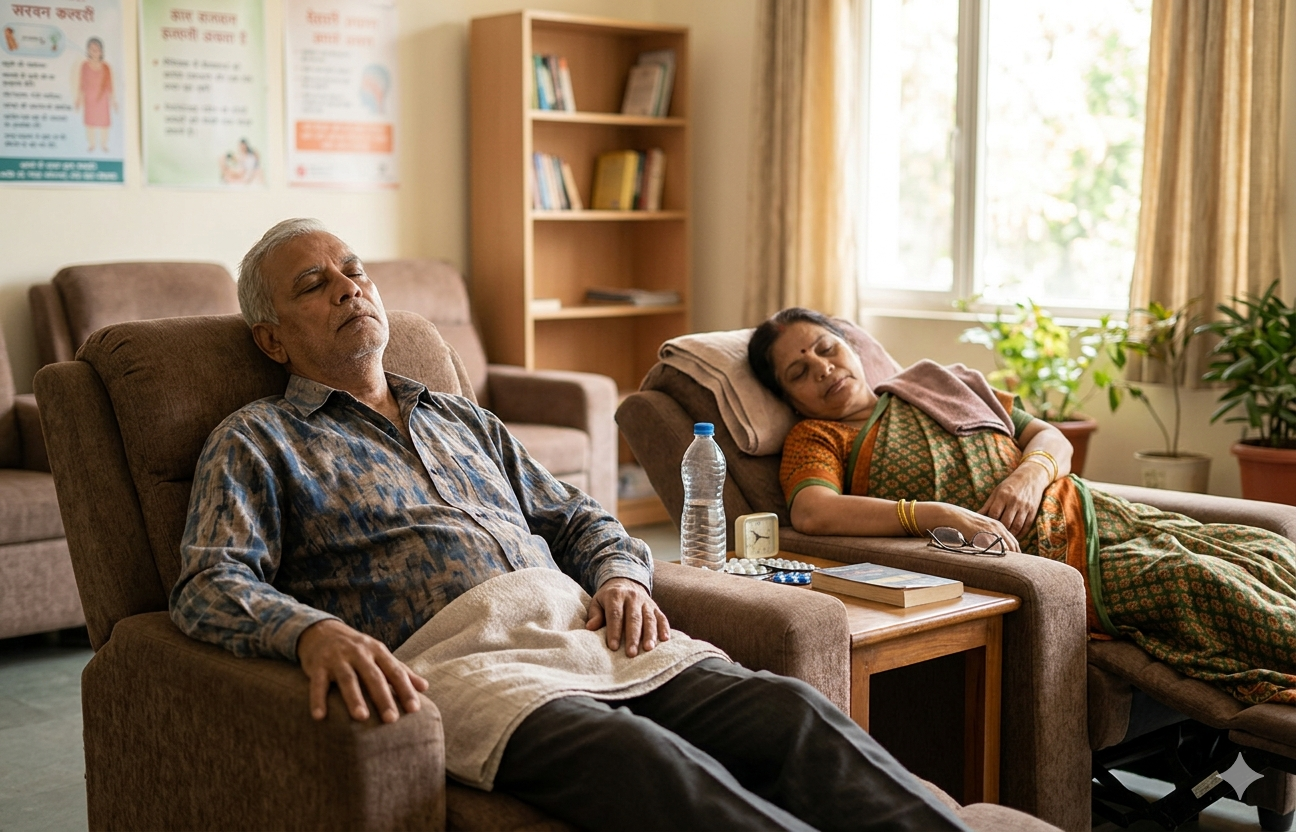
Daytime napping poses health risks for older adults that needs timely medical care
Photo Credit: AI generated image
The Brain-Sleep Connection In Ageing
The Brain and Sleep Science journal pinpoints that the brain needs sleep to function at its optimal level. The cognitive function of the brain is responsible for much more than people realise; here is how:
- A well-rested brain regulates sleep and alertness and is responsible for a lot more than people realise, so making sure your brain is getting its required dose of nutrition is vital.
- Why disruptions may appear years before diagnosis, so knowing when to seek medical advice is necessary.
- You need to realise if older adults in your family are sleeping too much during the day and seek medical testing to rule out any serious disease. This is why early observation of daytime sleepiness in older adults is important.
What Carers And Families Should Watch For
Carers and families should be mindful of how much sleep they are getting during the day. In addition, daytime sleepiness needs to be vigilantly observed, and timely action needs to be taken. Here are some ways that carers and families can ensure the older adults are well taken care of:
- Changes in routine that seem sudden and abrupt.
- Memory lapses combined with sleep changes that happen too frequently.
- Personality or mood shifts are needed that feel derived from the norm or existing personality.
- Reduced social engagement, which feels sudden and abrupt.
When To Seek Medical Advice
Medical advice should be sought when the following criteria are met:
- Duration and frequency benchmarks of excessive daytime sleepiness.
- What to tell the doctor, as you need to give a detailed summary of your symptoms to get the right treatment.
- Sleep diaries and observation tips should be followed to make sure older adults are well taken care of.
The importance of early screening should be taken seriously, as serious health conditions, when caught at the right time, can lead to better patient outcomes.
Can Lifestyle Changes Help?
Lifestyle changes can certainly help to an extent, but physical and mental health issues need treatment to actually address the root cause and alleviate the symptoms. Here are the lifestyle changes that can help:
- Sleep hygiene for seniors is necessary and involves the right screen-time hygiene and required physical activity.
- Light exposure and physical activity are needed for the right cognitive functioning and mood uplift in the mornings.
- Structured daytime routines are needed to kickstart the day in a scientifically correct manner.
- Limiting long or late naps is necessary, as sleeping earlier at night is much better for your brain if possible for older adults.
Daytime sleepiness, to a certain extent, if you have a high-intensity lifestyle, is normal. But when it gets too persistent, then awareness matters, not panic. You need to have proactive conversations with the older adults in your family and pay early attention to improve outcomes if daytime sleepiness is an issue that you are dealing with, and figure out the root cause.
Disclaimer: This content, including advice, provides generic information only. It is in no way a substitute for a qualified medical opinion. Always consult a specialist or your own doctor for more information. NDTV does not claim responsibility for this information.