

)
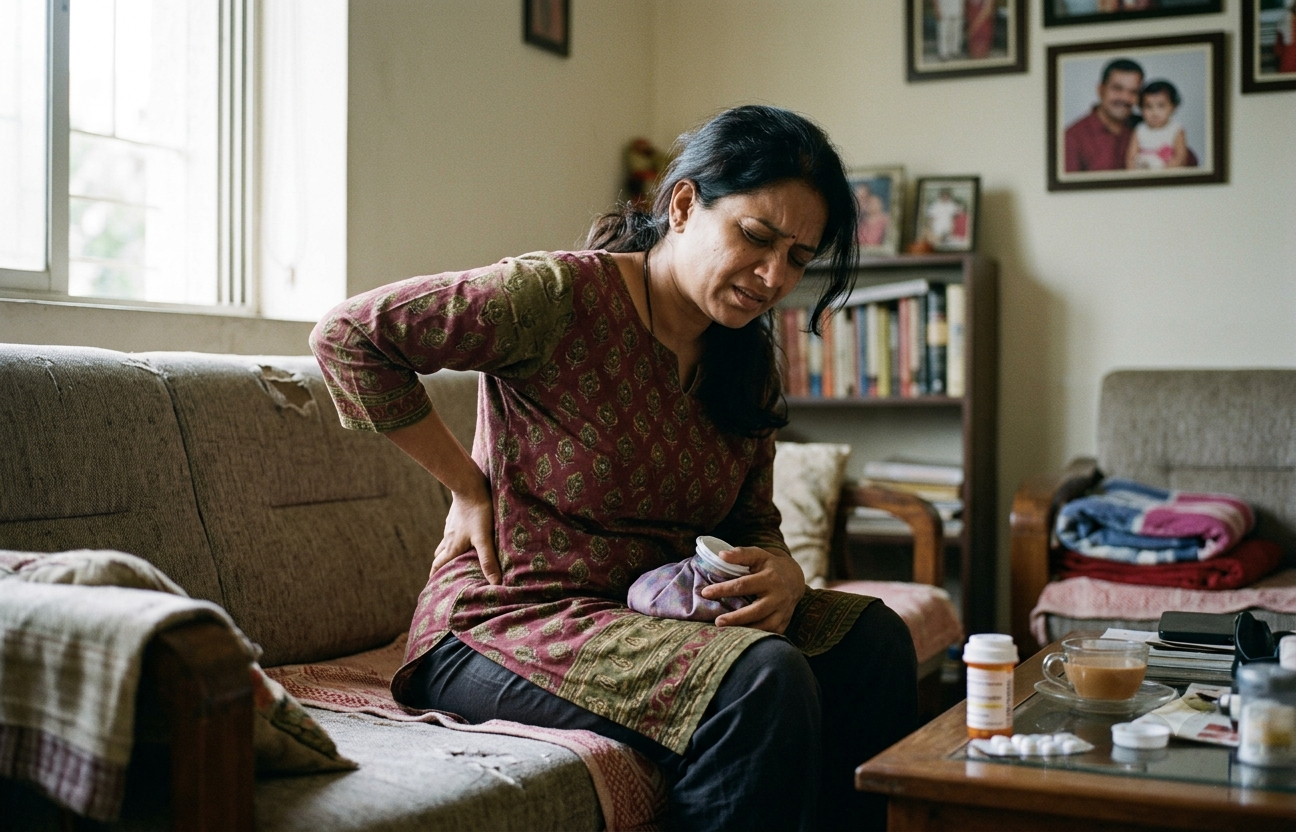
Many women in India complain of body aches in their late 20s or 30s, which cannot be attributed to a biological cause. These unexplained aches are causing mobility issues that affect women and their daily functioning. Aches such as this are often dismissed as fatigue or lifestyle-related issues, such as a bad posture, but persistent body pain is an issue that can be tied to underlying health concerns that need to be medically identified. Research published in the Journal of Clinical Medicine suggests that women have a higher chance of experiencing acute and chronic pain compared to men. Around 21.7% of women report chronic pain, while only 19% of men report the same issue. This apparent disparity makes it apparent to focus on why women in their 30s tend to experience constant aches and work on addressing them in an effective manner.
Is It Normal To Have Body Pain At 30?
Experiencing occasional aches in your 30s is common, as posture issues or certain lifestyle factors can drive their incidence. But the main problem arises when this acute or occasional pain turns into chronic pain and becomes recurring, which can be attributed to a possible hormonal imbalance, nutritional deficiency, or overload of stress on the system. Dr. Sharmila Tulpule, Orthopedic Surgeon and Regenerative Medicine Specialist explains, "persistent body aches in women in their 30s are often a mix of lifestyle strain and early musculoskeletal imbalances.”
5 Types Of Body Pain Young Women Experience
1. Constant Neck and Shoulder Pain
This common type of pain is caused by constant stress on your shoulders and hands. It is most commonly experienced by those who have desk jobs or excessive screen time exposure. The women who function in high-stress situations and those who work in high-stress jobs tend to complain of this type of pain the most. Constant exposure to chronic stress and muscle tension can further drive the constant neck and shoulder pain.
2. Lower Back Pain
Lower back pain is another type of pain that women in their 30s experience,e which can make it harder for women to function. If you are constantly experiencing lower back pain, then it may be due to the following reasons that need to be addressed under the guidance of pain medicine specialists:
- Sedentary lifestyle
- Weak core muscles
- Early spine or disc issues
3. Joint Pain (Knees, Wrists, Ankles)
Joint pain is another type of pain that affects about 22% to 39% of young women. To address joint pain in your knees, wrists, or ankles, consider seeing a healthcare provider who can recommend appropriate medical tests and determine the most likely cause. Understanding why joint pain is occurring is crucial for long-term relief.
What it may mean:
- Vitamin D or calcium deficiency, as the nutrients are responsible for the absorption of other nutrients.
- Early inflammatory conditions, which may be linked to internal inflammation can only be caught when medical tests are performed.
4. Body-Wide Muscle Aches
If your muscles are aching all over your body, then you need to consider whether the pain is localised or all over your body. The duration of it, as well as the possible causes behind it, are responsible for driving immobility and chronic pain experiences when it is triggered. Body-wide muscle aches may mean that:
- Chronic stress or poor sleep has pushed the body into receiving no rest that is much needed.
- Overexertion or lack of recovery may be behind the ache, which can be overcome if it is acute.
5. Period-Linked Or Hormonal Pain
When the body undergoes hormonal fluctuations it can result in pain that may be isolated to the lower part of the body. These can be especially common when the menstrual cycle is underway for many women, as the blood vessels are contracting and the body is actively experiencing blood loss. Period-linked or hormonal pain may signal that your body is undergoing a change, which can indicate that you need to take special care:
- Normal hormonal fluctuations may cause mild to moderate levels of pain that last for a limited period until the menstrual cycle is over.
- Conditions like PMOS or endometriosis may signal deeper issues that need medical attention, as the level of pain can become unbearable.
Common Causes Behind Persistent Aches
1. Nutritional Deficiencies
Body pain can also be driven by certain nutrient deficiencies, such as low vitamin B12, which drives fatigue and pain. Nutrient deficiencies can be addressed by supplementation that is monitored and performed under medical supervision after a thorough blood panel that indicates a clear deficiency.
2. Stress and Mental Health
Stress affects mental health outcomes on a short-term and long-term basis. It is also proven that stress can trigger muscle tightness and inflammation, which can drive the experience of pain. Both acute and chronic pain are linked to stress and mental health impacts, which means that managing your stress levels is key to lower chances of experiencing body pain.
3. Sedentary Lifestyle
The act of sitting for long hours during the day can cause muscles to stiffen up and lead to muscle spasm.s. A sedentary lifestyle should be broken into active bouts of exercise that can recharge your muscles and offer a periodic break to your brain as well.
Also Read: Nervous System Overload? The 'Sensory Baseline' Reset You Need After A Chaotic Workday
When Should You Take Body Pain Seriously?
Body pain should be taken seriously, as pain can affect how you function throughout the day. If these conditions are met, then you need to seek medical help for relief:
- Pain lasting more than 2-3 weeks may signal an underlying biological cause.
- Pain affecting daily routine can be irritating, but the cause of it needs to be identified.
Associated symptoms with body pain, such as:
- Fatigue
- Swelling
- Unexplained weight changes
How To Manage And Prevent Body Pain At 30
If you are in your 30s and are experiencing body pain, then you need to focus on practising preventive strategies that can help you prevent it. These can be :
- Maintain a balanced diet (vitamin-rich foods) that can balance the nutritional requirements of your body.
- Regular exercise and stretching are crucial to deal with the ill effects of a sedentary lifestyle.
- Improve posture and ergonomic workspace setup to minimise the chances of developing pain.
- Managing stress (yoga, sleep hygiene) is necessary to balance your stress levels.
When it comes to body pain, not all aches are harmless, and you need to understand that different kinds of body pain mean different things. By ensuring timely care, you can prevent long-term health complications that can occur from body pain.
Disclaimer: This content including advice provides generic information only. It is in no way a substitute for a qualified medical opinion. Always consult a specialist or your own doctor for more information. NDTV does not claim responsibility for this information.