

)
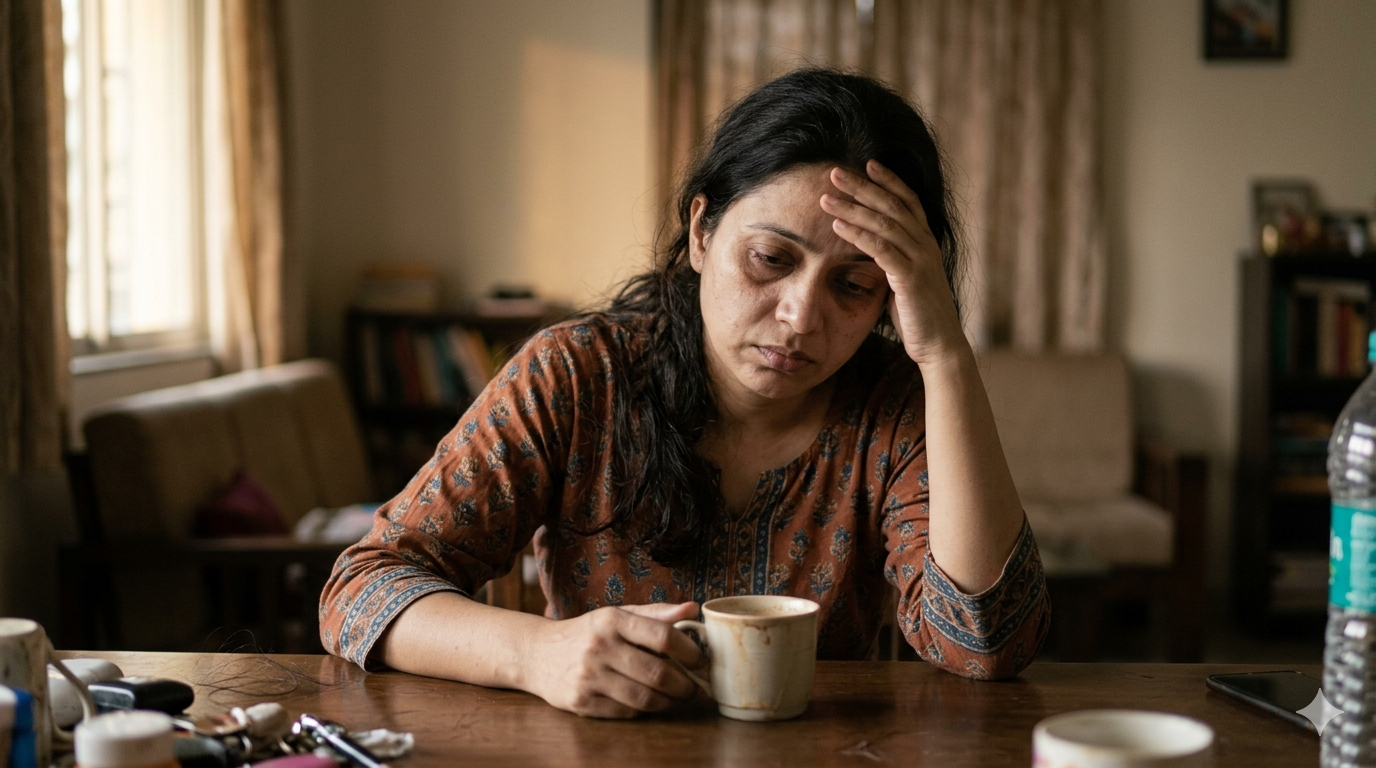
Fatigue is a common concern for many people, often felt as a persistent state of tiredness or lack of energy that doesn't go away with rest. While it might initially seem like a simple case of needing more sleep or taking a break, fatigue can sometimes indicate more serious underlying health issues. Fatigue is distinct from normal tiredness because it is a persistent, overwhelming state of exhaustion that often does not improve with rest. While everyday tiredness is a natural response to exertion or a long day, medical fatigue can significantly impair your ability to perform routine tasks.
While normal tiredness can often be attributed to factors like a busy schedule, stress, or insufficient sleep, chronic fatigue may point to deeper health problems such as anemia, thyroid disorders, depression, chronic fatigue syndrome, or even more severe conditions like heart disease or diabetes.
"Fatigue is not just caused by how much sleep you have gotten; it also can show what is happening internally, in terms of bodily functioning. Other factors affecting one's energy levels include the cardiovascular system, hormonal balance, metabolism, as well as mental health," explains Dr. Gaurav Minocha, Senior Director - Cardiac Sciences, Max Super Speciality Hospital, Vaishali.
Fatigue vs. Normal Tiredness
- Response to rest: Normal tiredness usually resolves after a good night's sleep; fatigue lingers regardless of rest.
- Impact on function: Tiredness might make you yawn, but fatigue can make it physically impossible to go to work or concentrate.
- Onset: Tiredness is often linked to a specific cause, like a late night; fatigue can appear suddenly or gradually without an obvious reason.
Serious health issues
Persistent fatigue acts as a biological warning for several underlying conditions:
- Cardiovascular issues: If the heart isn't pumping efficiently, your muscles receive less oxygen, leading to extreme exhaustion during light activity.
- Metabolic and endocrine disorders: Conditions like diabetes or hypothyroidism disrupt how your cells create energy, causing a constant drained feeling.
- Autoimmune diseases: Chronic inflammation from conditions like lupus or multiple sclerosis forces the body to expend energy constantly fighting itself.
- Anemia: A lack of healthy red blood cells means your organs aren't getting enough oxygen to function, resulting in weakness and heavy fatigue.
- Sleep disorders: Conditions like sleep apnea can stop your breathing hundreds of times a night, preventing restorative sleep even if you are in bed for 8 hours.
Fatigue and heart disease
"Heart fatigue has been described as when the person feels fatigued and out of breath even with minimal exertion. This may occur before any chest discomfort or warning signs. If fatigue lasts longer than two to three weeks, or is accompanied by shortness of breath, chest pain, heart palpitations, unexplained weight loss, or difficulty sleeping, it is essential that you seek medical attention. Evaluations to assess the cause of fatigue may include blood work, electrocardiogram (ECG), echocardiography or other diagnostic testing," explains Dr. Minocha.
When to see a doctor
Recognising when fatigue is a sign of something more serious is crucial. Here are some indicators that suggest it might be time to consult a doctor:
1. Duration: If fatigue persists for more than a couple of weeks without any clear reason.
2. Severity: If the fatigue is debilitating and interferes with daily activities or quality of life.
3. Accompanying symptoms: If it is accompanied by other symptoms such as unexplained weight loss, fever, severe headaches, joint pain, or changes in mood or behaviour.
4. Impact on sleep: If, despite getting enough rest, you still feel excessively tired.
5. Changes in appetite or swelling: If there are noticeable changes in appetite, weight, or unexplained swelling.
Seek emergency care immediately if fatigue occurs with:
- Chest pain or shortness of breath.
- Irregular, pounding, or unusually fast/slow heartbeat.
- Sudden confusion, dizziness, or fainting.
- Severe headache or sudden vision problems.
"Fatigue should never be taken lightly or ignored since the earlier the cause is identified, the greater chance there is of avoiding serious complications," concludes Dr. Minocha.
If you find yourself experiencing these signs, it's wise to seek medical advice. A healthcare professional can help rule out any serious conditions and provide guidance on appropriate treatment or lifestyle adjustments.
Disclaimer: This content including advice provides generic information only. It is in no way a substitute for a qualified medical opinion. Always consult a specialist or your own doctor for more information. NDTV does not claim responsibility for this information.