
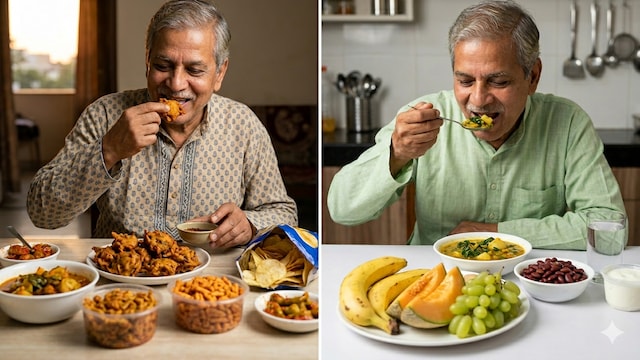
When your body has an electrolyte imbalance, it can trigger cravings, which can lead to weight gain. This can worsen due to the consumption of processed foods, which are high in sodium, which can drain the electrolytes from your system. The combination of consuming too many salty foods together can put extra stress on your system and increase the risk of dehydration. Whenever you get cravings for salty foods, you need to control yourself and make sure that you are eating something in combination with it that helps break down the excessive sodium intake.
The intake of salty foods can have a direct impact on your heart, as it raises your blood pressure and puts stress on its functioning. This is dangerous for those with diagnosed hypertension, as it can cause adverse effects. When blood pressure remains high for a long time, it can cause damage to blood vessels over time, which increases the risk of heart disease.
When You Need To Increase Your Potassium Intake
Research published in the Circulation journal highlights that potassium intake is necessary to flush out excess sodium intake to make sure blood pressure doesn't rise to dangerous levels. Potassium intake as needed is necessary to maintain fluid and nerve function in the body. And the World Health Organization (WHO) has established recommendations that include making a higher potassium intake, as sodium-rich foods need potassium for electrolyte balance.
How Potassium Protects Heart Health
Research published in the Nutrition journal pinpoints that potassium intake is necessary to protect heart health, as it has multiple health benefits. Here are the ways it can do so:
- Lowers blood pressure
- Reduces stroke risk
- Supports a healthy heartbeat
- Counteracts sodium effects
Note: You need to check your potassium intake for heart health, as most Indians don't consume enough potassium in their diet to protect their heart.
Also Read: Here's What A Cardiologist Wants You To Eat For A Healthy Heart
Best Potassium-Rich Foods To Add To Your Diet
Potassium-rich foods that you need to add to your diet are as follows:
- Bananas, coconut water, spinach, sweet potatoes
- Lentils, beans, and yoghurt
- Avocados, oranges
Making nutritional and science-backed dietary choices is necessary to ensure foods rich in potassium are consumed on a daily basis.
Signs You're Not Getting Enough Potassium
Potassium intake that should be ideally consumed by Indians is 3,400 mg/day for adults if the sodium intake is 2,300 mg/day. This helps maintain a healthy sodium to potassium balance as per the dietary guidelines by the Indian Council of Medical Research (ICMR) and National Institute of Nutrition (NIN). If you are not getting enough potassium, then your body can exhibit signs such as
- Fatigue
- Muscle cramps
- Irregular heartbeat
- Increased cravings
Low potassium symptoms can vary depending on how many food sources you are consuming during the day. Your overall diet determines how much potassium intake is necessary to build up a healthy ratio to counter the effects of sodium intake.
Also Read: Is Stress The New Normal? Here's How It Silently Strains Your Heart
How To Cut Down On Salty Food Cravings Naturally
If you are someone who gets salty food cravings frequently, then you need to cut down on them by ensuring the following:
- Eat potassium-rich meals that build up your intake.
- Stay hydrated to ensure proper nutrient absorption.
- Reduce ultra-processed foods gradually to slowly get your body used to the deficit.
- Swap salty snacks with healthier options such as makhana, nuts, and fruits.
To stop salty cravings, you need to do so to reduce sodium intake, which can increase your blood pressure and affect your heart.
Who Should Be Careful About Potassium Intake?
Potassium intake should be increased by those with pre-existing medical conditions only after a doctor's consultation. Specifically, those with the following conditions need to be extra careful of excess potassium intake:
- Kidney disease patients, as their internal health is already struggling to keep up their normal functioning.
- People on certain medications can react to high-potassium food sources.
Simple Diet Swaps For Better Heart Health
Heart health can be maintained by making consistent healthy choices that involve swapping unhealthy and salty foods for healthier options. Here are some swaps that can improve your heart health when practised in conjunction with other lifestyle and dietary choices, along with ample physical activity as per your body's needs:
- Chips can be swapped with roasted chana for better nutritional content and less intake of sodium.
- Packaged soups have a high amount of sodium on their labels; you need to go for homemade soups to avoid consuming too much sodium.
- Salt-heavy meals should have herb-based flavouring to increase your body's ability to process the sodium in a better manner.
Dr Vinayak Agrawal, Senior Director and Head, Non-Invasive Cardiology, Fortis, Gurugram, explains, "Excessive sodium intake is a major contributor to rising heart disease risk in India."
According to him, "Diets high in salt can increase blood pressure by causing the body to retain excess fluid, which puts added strain on blood vessels and the heart." He warns that "even individuals with 'normal' health markers may still be at risk if sodium intake remains high over time."
Your body needs potassium to counter the effects of sodium present in salty foods. If you want to protect your heart health, then you need to adopt smart dietary choices that protect your internal well-being.
Disclaimer: This content including advice provides generic information only. It is in no way a substitute for a qualified medical opinion. Always consult a specialist or your own doctor for more information. NDTV does not claim responsibility for this information.